What Does Code P1744 Mean?
DTC P1744 indicates a detected malfunction within the Torque Converter Clutch (TCC) system, specifically a performance issue rather than an outright electrical circuit fault. The Powertrain Control Module (PCM), or Transmission Control Module (TCM) in some applications, monitors the rotational speed differential between the transmission’s input shaft (turbine speed) and output shaft (vehicle speed, post-converter). When the TCC is commanded ON, the PCM expects this slip difference to decrease to a near-zero or tightly controlled minimal value, effectively creating a direct mechanical link between the engine and transmission, bypassing the fluid coupling of the torque converter. If the PCM detects that the TCC is not engaging fully, engaging too harshly, disengaging prematurely, or failing to disengage at all within a calibrated range of parameters (e.g., specific throttle positions, vehicle speeds, and engine RPMs), it interprets this as a performance issue and sets the P1744 code. This discrepancy suggests that the TCC is either slipping excessively when it should be locked, failing to lock up efficiently, or remaining locked when it should be disengaged, leading to inefficient power transfer and potential drivetrain stress.
Common Symptoms
- Reduced Fuel Economy: Due to continuous slip and inefficient power transfer.
- Transmission Slipping: Sensation of the engine revving higher than expected for the vehicle’s acceleration, particularly under light to moderate load.
- Harsh or Delayed Shifts: Especially when the TCC attempts to engage or disengage.
- Engine Stalling at Low Speeds or Stops: If the TCC fails to unlock, it can cause the engine to stall when the vehicle comes to a halt.
- Transmission Overheating: Excessive TCC slip generates significant heat within the transmission fluid.
- Check Engine Light (CEL) Illumination: The primary indicator for this DTC.
- Lack of Power or Hesitation: The vehicle may feel sluggish during acceleration due to the TCC not locking up effectively.
What Causes the Code P1744?
- Faulty Torque Converter Clutch (TCC) Solenoid: The most common cause. The solenoid’s electrical circuit might be intact, but its internal mechanical or hydraulic function may be compromised, leading to improper fluid flow to the TCC.
- Low or Contaminated Transmission Fluid: Insufficient fluid pressure or fluid with degraded friction modifiers can prevent the TCC from engaging or disengaging properly.
- Internal Transmission Mechanical Failure:
- Worn TCC Clutch Material: The friction lining on the torque converter clutch plate itself may be worn, preventing full lock-up.
- Damaged Torque Converter: Issues with the converter’s internal components, such as the damper springs or pressure plate.
- Valve Body Malfunction: Sticky or worn valves within the valve body, particularly those controlling TCC apply/release pressure, can cause hydraulic control issues.
- Wiring or Connector Issues: While less common for a “performance” code (which typically points to a functional rather than circuit issue), intermittent open circuits, shorts, or high resistance in the TCC solenoid wiring or connector pins can lead to inconsistent solenoid operation.
- PCM/TCM Software Glitch or Internal Failure: Rarely, the control module itself may have a corrupted calibration or an internal defect leading to incorrect TCC command or misinterpretation of sensor data.
How to Diagnose and Troubleshoot
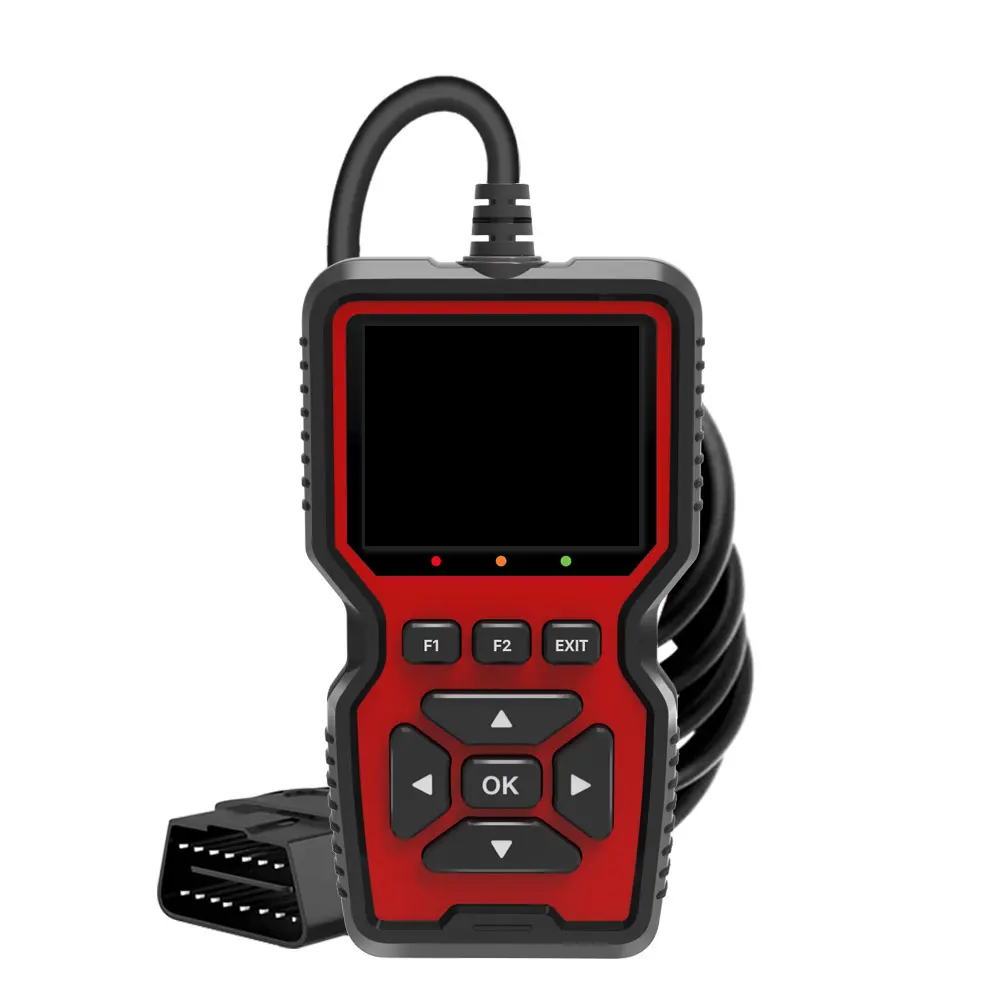
Diagnosis of P1744 requires a systematic approach, often involving a professional-grade OBD-II scanner with live data capabilities and a Digital Multimeter (DMM).
- Verify DTC and Check for Other Codes: Connect an OBD-II scanner and confirm P1744 is present. Crucially, check for any other related transmission or engine DTCs, as a foundational issue (e.g., P0700 series codes, engine misfire codes) could indirectly affect TCC operation. Record freeze frame data.
- Inspect Transmission Fluid:
- Check transmission fluid level on a level surface with the engine at operating temperature (refer to manufacturer specifications for exact procedure, as some require checking in Neutral or Park).
- Inspect fluid condition: Note color (dark brown/black indicates severe degradation), odor (burnt smell indicates overheating/component wear), and presence of metallic debris (indicates internal mechanical failure). A fluid flush/replacement may be necessary if condition is poor, but internal inspection is still advised.
- Live Data Analysis (OBD-II Scanner):
- Monitor Transmission Fluid Temperature (TFT) Sensor readings. Excessive TCC slip can cause high fluid temperatures.
- Monitor Engine RPM and Transmission Input Speed Sensor (TISS) or Turbine Speed Sensor (TSS) during a road test. Compare these to Output Speed Sensor (OSS) readings. When the TCC is commanded ON (usually visible as TCC Solenoid Command (%)), the difference between TSS and OSS should be minimal (typically less than 50 RPM, depending on vehicle and conditions).
- Observe TCC Solenoid Command (%). Verify the PCM is actively commanding the TCC to engage under appropriate conditions.
- Perform specific TCC functional tests if your scanner supports bi-directional control. This allows you to command the TCC solenoid ON/OFF and observe the slip RPM.
- Electrical Inspection (TCC Solenoid Circuit):
- Visually inspect the transmission wiring harness for any signs of damage, chafing, or corrosion, particularly where it connects to the transmission and the TCC solenoid (if externally accessible).
- With the transmission pan removed (if TCC solenoid is internal), visually inspect the TCC solenoid and its wiring harness.
- Using a DMM, check the resistance of the TCC solenoid. Refer to service manual specifications; typically, values range from 10-25 ohms. An open circuit (infinity) or short circuit (near zero) indicates a faulty solenoid.
- Verify proper voltage supply and ground to the TCC solenoid connector (if applicable, with the engine running and TCC commanded ON).
- Road Test: Perform a thorough road test, attempting to recreate the conditions under which P1744 was set (refer to freeze frame data). Pay close attention to TCC engagement and disengagement behavior, noting any harshness, slipping, or stalling. Monitor live data during this test.
- Pressure Tests (Advanced): In some cases, specialized transmission pressure gauges might be needed to verify hydraulic pressure within the TCC apply circuit of the valve body. This usually requires significant disassembly.
Recommended Repairs and Solutions
The repair for P1744 often involves addressing the root cause identified during diagnosis. Given the nature of this code, repairs commonly focus on the TCC solenoid and related hydraulic components.
- Replace Torque Converter Clutch (TCC) Solenoid: If electrical tests confirm the solenoid is faulty or if live data indicates it’s not performing as commanded, replacement is necessary. This typically requires dropping the transmission pan and sometimes removing the valve body, so a transmission fluid and filter change should be performed concurrently. Always use OEM or high-quality aftermarket solenoids for reliability.
- Transmission Fluid and Filter Service: If the fluid is low, contaminated, or degraded, performing a complete fluid flush (ensuring to use the correct OEM-specified fluid type) and filter replacement is crucial. This alone may resolve minor TCC performance issues related to hydraulic pressure or lubrication.
- Valve Body Repair or Replacement: If diagnosis points to sticky or worn valves within the valve body affecting TCC control, the valve body may need to be repaired (e.g., replacing specific solenoids or valves) or completely replaced. This is a more involved repair and often requires specialized knowledge.
- Torque Converter Replacement: If internal inspection or advanced diagnosis strongly indicates a worn TCC clutch or damage within the torque converter itself (e.g., excessive shudder, noise), the entire torque converter will need to be replaced. This is a significant repair that requires transmission removal.
- Wiring Harness Repair: If an intermittent electrical fault (e.g., high resistance, damaged insulation) is found in the TCC solenoid circuit, repair or replacement of the affected wiring section or connector pins should be performed.
- PCM/TCM Reprogramming or Replacement: As a last resort, if all mechanical and electrical components are verified to be functioning correctly, a PCM/TCM software update or replacement may be considered, though this is less frequent for P1744.
Mechanic’s Tips:
- Always check for Technical Service Bulletins (TSBs) related to P1744 for the specific make and model, as manufacturers often have known issues and updated repair procedures.
- When replacing TCC solenoids or performing valve body work, cleanliness is paramount. Even small contaminants can cause future hydraulic issues.
- Ensure correct torque specifications are used for all fasteners, especially when reassembling the transmission pan and valve body components.
- After any transmission service, perform a thorough road test and monitor live data to confirm proper TCC operation and ensure the code does not return. A transmission adaptive learn procedure may also be necessary depending on the vehicle.