What Does Code P1756 Mean?
DTC P1756 indicates a performance issue with Shift Solenoid B within the automatic transmission. The Powertrain Control Module (PCM), also referred to as the Engine Control Module (ECM) or Transmission Control Module (TCM), monitors the operation of all shift solenoids to ensure proper gear engagement and hydraulic control. Shift Solenoid B is an electronically controlled valve responsible for directing hydraulic fluid to specific clutch packs or bands to facilitate particular gear changes or maintain a commanded gear ratio. When the PCM commands Shift Solenoid B to activate or deactivate, it expects to see a corresponding change in the transmission’s input shaft speed (ISS) and output shaft speed (OSS) ratio, indicating a successful gear change, within a specified timeframe and accuracy. If the observed gear ratio change is sluggish, inconsistent, or does not occur as expected after the solenoid has been commanded, or if the PCM detects that the time required to achieve the target gear ratio exceeds calibrated limits, it interprets this as a “performance” fault for Shift Solenoid B and sets code P1756. This code typically signifies that the solenoid is not functioning optimally, possibly due to sticking, partial blockage, or weak internal components, rather than a complete electrical circuit failure (which would generally trigger a P07xx series code).
Common Symptoms
- Delayed or harsh gear shifts: The transmission may hesitate to shift or engage gears abruptly.
- Transmission slipping: The engine RPMs may increase without a corresponding increase in vehicle speed, particularly during shifts related to Solenoid B’s function.
- Transmission entering “limp mode”: The transmission may default to a single, higher gear (e.g., 2nd or 3rd) to prevent further damage, severely limiting vehicle performance.
- Reduced fuel economy: Inefficient shifting or prolonged engagement of certain gears can lead to increased fuel consumption.
- Check Engine Light (MIL) illuminated: The primary indicator for most OBD-II related faults.
- Difficulty engaging specific gears: Depending on the transmission design, Solenoid B may be crucial for engaging or disengaging particular gears, such as 2nd, 4th, or Reverse.
What Causes the Code P1756?
- Faulty Shift Solenoid B: The most common cause, involving internal mechanical wear, sticking, or intermittent electrical issues within the solenoid itself, preventing proper hydraulic control.
- Contaminated transmission fluid and/or clogged filter: Dirty fluid can impede solenoid operation, clog internal passages within the solenoid or valve body, leading to sluggish or inconsistent performance.
- Low transmission fluid level: Insufficient fluid can lead to inadequate hydraulic pressure, affecting solenoid and valve body function, and causing poor gear engagement.
- Damaged or corroded wiring harness and connectors: Frayed, shorted, or open circuits in the wiring leading to Shift Solenoid B can disrupt its electrical control signals, causing performance issues.
- Internal valve body issues: Worn, sticking, or damaged valves within the transmission’s valve body, which are controlled by the shift solenoids, can prevent proper fluid routing even if the solenoid itself is functioning.
- PCM (Powertrain Control Module) fault: While less common, a malfunctioning PCM could incorrectly command the solenoid or misinterpret sensor data, leading to a false P1756 code.
How to Diagnose and Troubleshoot
Diagnosis of P1756 requires a systematic approach, often involving specialized tools:
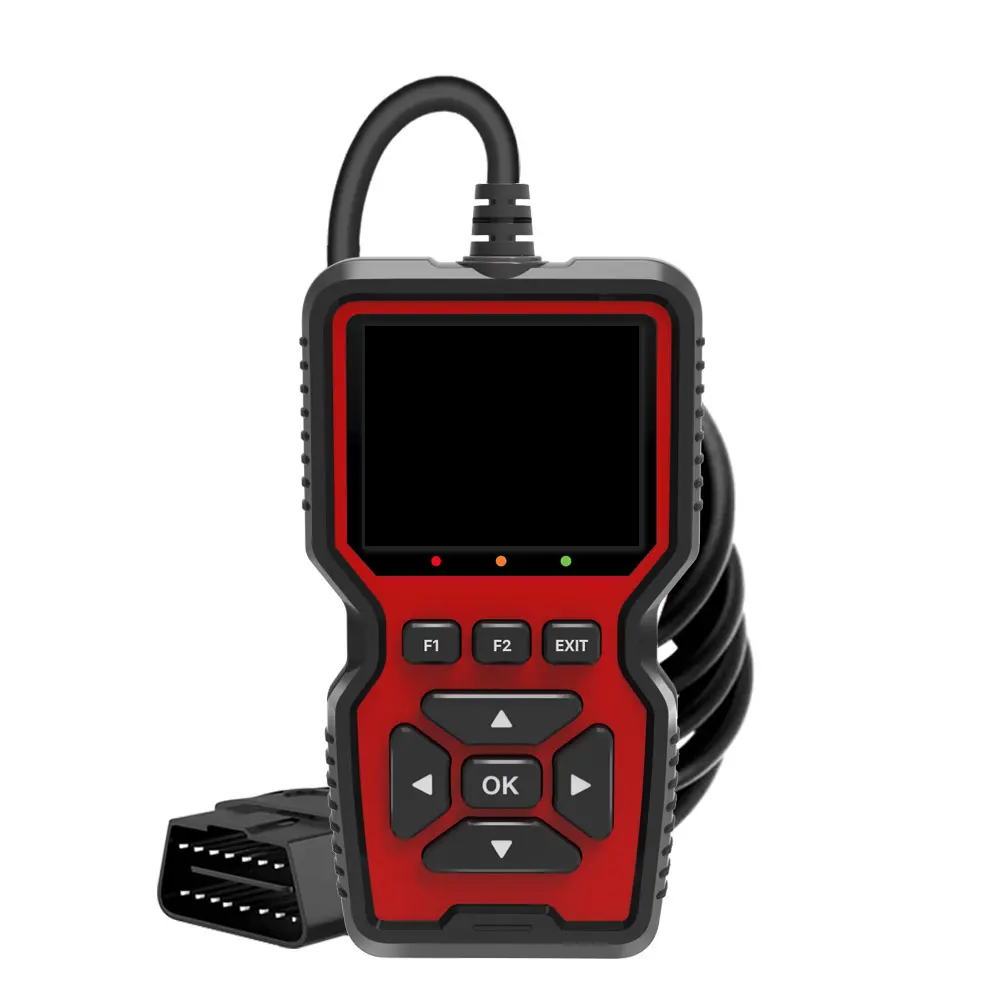
- Initial Scan and Data Analysis: Connect an OBD-II scanner to confirm P1756 and check for any other related transmission DTCs. Access live data streams, paying close attention to Transmission Fluid Temperature (TFT), input shaft speed (ISS), output shaft speed (OSS), and commanded/actual gear ratios. Look for discrepancies, erratic readings, or prolonged shift times. Note any pending codes.
- Transmission Fluid Level and Condition Check: Carefully check the transmission fluid level according to the manufacturer’s specific procedure (engine running/off, hot/cold). Note the fluid’s color and odor. Dark, burnt-smelling fluid or fluid containing metallic particles is indicative of significant internal transmission wear and contamination.
- Visual Inspection of Wiring and Connectors: Locate the transmission wiring harness and the specific connector for Shift Solenoid B (consult a service manual for precise location, which often requires transmission pan removal). Inspect for any signs of damage such as chafing, cuts, corrosion, bent pins, or loose connections. Pay close attention to the harness routing near exhaust components or sharp edges.
- Electrical Resistance Test of Shift Solenoid B:
- Access Shift Solenoid B (typically located within the transmission valve body, requiring pan removal and fluid drain).
- Disconnect the electrical connector from Shift Solenoid B.
- Using a Digital Multimeter (DMM) set to ohms, measure the resistance across the two terminals of the solenoid itself. Compare this reading to the manufacturer’s specified resistance range (typically between 10-25 ohms for most shift solenoids, but consult service information for exact specifications).
- An open circuit (OL on the DMM) or a reading significantly outside the specified range indicates an electrically faulty solenoid. Also, check for continuity between each solenoid terminal and transmission case ground; there should be no continuity, indicating no short to ground.
- Power and Ground Circuit Integrity Check: With the solenoid disconnected, use a DMM to verify proper voltage supply to the solenoid’s harness connector pin(s) when the key is on (or engine running, as per circuit design). Check for a strong ground path on the return circuit by testing for very low resistance to chassis ground.
- Bidirectional Control Test (if available): If your scanner has bidirectional control capabilities, attempt to command Shift Solenoid B on and off while monitoring live data or listening for an audible “click” from the solenoid. This can help confirm if the PCM is able to send the command and if the solenoid responds mechanically.
- Valve Body Inspection: If the solenoid tests electrically good and the wiring is sound, the issue might stem from the valve body. This involves removing the valve body and inspecting for worn bores, sticking valves, or debris that might impede hydraulic flow, even with a functional solenoid. This is a more advanced diagnostic step.
Recommended Repairs and Solutions
The appropriate repair for P1756 will depend directly on the diagnostic findings:
- Replace Shift Solenoid B: If the electrical resistance test confirms a faulty solenoid (open, shorted, or out-of-spec resistance), replacement is the primary solution. This repair typically involves draining the transmission fluid, dropping the transmission pan, and removing the valve body to access and replace the solenoid. Always use an OEM or high-quality aftermarket solenoid.
- Transmission Fluid and Filter Service: If the transmission fluid is contaminated (dark, burnt smell, or presence of debris), a full transmission fluid and filter change is crucial. Ensure the correct type of transmission fluid (e.g., Dexron VI, Mercon LV) is used according to manufacturer specifications. This can often resolve performance issues caused by particulate matter impeding solenoid or valve body function.
- Repair or Replace Wiring Harness/Connectors: If visual inspection or electrical continuity tests reveal damaged wiring or corroded connectors, repair or replace the affected sections of the harness. Ensure all connections are clean, secure, and properly seated to restore reliable electrical communication to the solenoid.
- Valve Body Repair or Replacement: If Shift Solenoid B tests good electrically and mechanically, and fluid/wiring issues have been ruled out, the problem likely lies within the valve body itself. This may necessitate repairing specific worn valve bores with Sonnax kits or, more commonly, replacing the entire valve body assembly. This is a more complex and costly repair.
- Address Low Fluid Level and Leaks: If low transmission fluid was the root cause, top up the fluid to the correct level and then thoroughly inspect the transmission for any fluid leaks (pan gasket, input/output shaft seals, cooler lines) and repair as necessary to prevent recurrence.
- PCM Reprogramming or Relearn: After replacing transmission components, some vehicles may require the PCM/TCM to undergo an adaptive learn procedure or even a software reflash to recalibrate shift parameters and ensure optimal transmission performance with the new components. Consult the service manual for specific post-repair procedures.