What Does Code P1816 Mean?
The diagnostic trouble code P1816 indicates a malfunction within the Transmission Neutral Safety Switch (NSS) circuit. This switch, often integrated into a Park/Neutral Position (PNP) switch assembly, serves as a critical safety interlock, preventing the engine from starting unless the transmission is securely in either Park (P) or Neutral (N). The Powertrain Control Module (PCM), or Transmission Control Module (TCM) on some advanced systems, actively monitors the electrical signal from this switch. When P1816 is set, it signifies that the control module has detected an electrical anomaly in the NSS circuit, such as an open circuit, a short circuit to voltage, a short to ground, or an implausible signal that does not correlate with other sensor inputs (e.g., gear selector position sensor or transmission range sensor). This fault prevents the PCM from confirming a safe starting condition, thereby affecting the starter circuit and potentially other transmission-related functions.
Common Symptoms
- Engine will not crank or start when the shifter is in Park or Neutral.
- Engine cranks and starts in a drive gear (e.g., Drive or Reverse), posing a significant safety hazard.
- The Malfunction Indicator Lamp (MIL) or Check Engine Light (CEL) illuminates.
- Difficulty shifting gears, or erratic transmission engagement, although less common for this specific code.
- Inability to engage or disengage cruise control, as some systems require confirmation of a neutral or drive state.
- Reverse lights may not illuminate, if the NSS/PNP switch also incorporates the reverse light contacts and those contacts share a common internal failure.
What Causes the Code P1816?
- Faulty Neutral Safety Switch (NSS) / Park/Neutral Position (PNP) Switch: This is the most common cause, often due to internal wear of the electrical contacts, corrosion, or mechanical failure preventing proper engagement.
- Damaged Wiring Harness: Frayed, chafed, open, or shorted wires within the NSS circuit leading to or from the switch to the PCM/TCM.
- Corroded Electrical Connectors: Oxidation or damage to the connector terminals at the NSS or at the control module can create an intermittent or open circuit.
- Misadjusted Transmission Shift Linkage: If the mechanical linkage connecting the shifter to the transmission (and subsequently, the NSS) is out of adjustment, the switch may not accurately reflect the true gear position.
- Internal Transmission Mechanical Fault: In rare cases, an internal transmission issue affecting the detent mechanism or manual valve lever could prevent the NSS from being correctly actuated.
- Faulty Powertrain Control Module (PCM) or Transmission Control Module (TCM): While less common, an internal fault within the control module itself could incorrectly interpret the NSS signal or fail to provide proper reference voltage/ground.
How to Diagnose and Troubleshoot
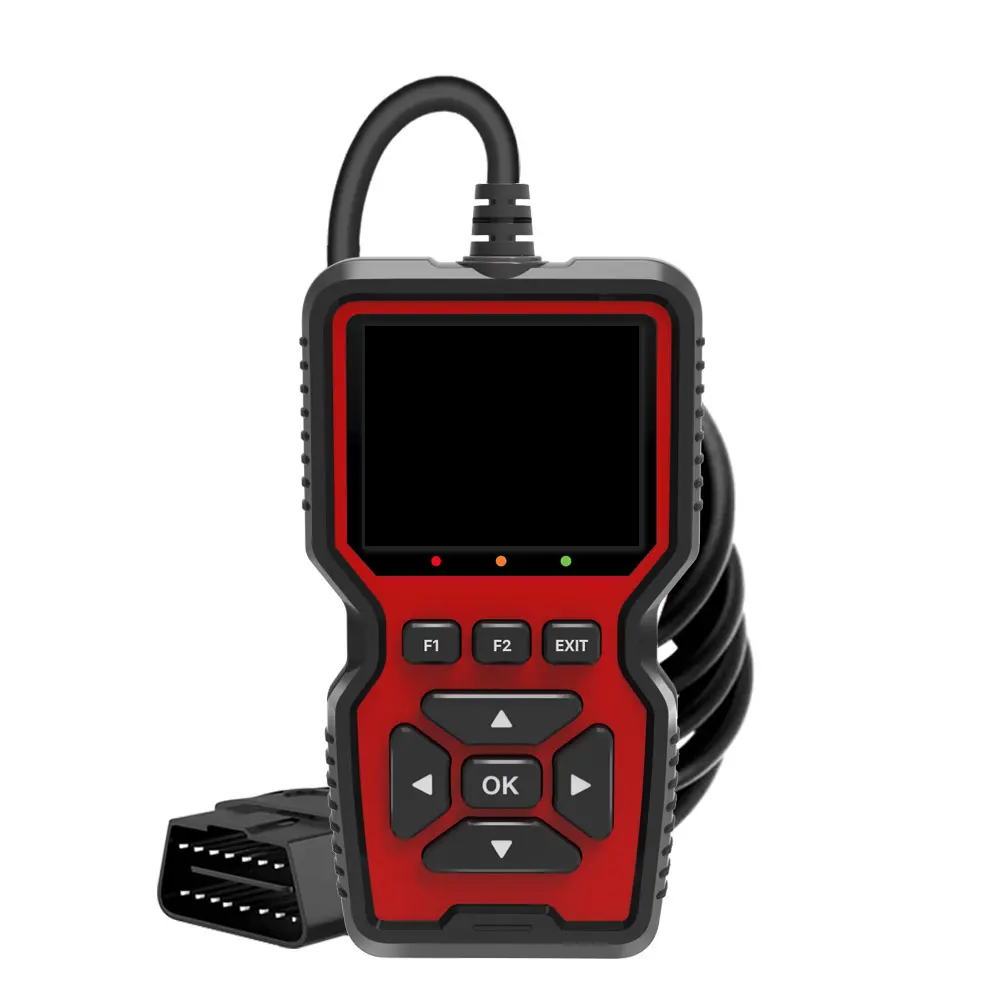
Diagnosis of P1816 requires a methodical approach, utilizing a digital multimeter (DMM) and an OBD-II scan tool:
- Verify the Code and Gather Data:
- Connect an OBD-II scan tool and confirm P1816 is present. Check for any other related codes (e.g., transmission range sensor codes) that might point to a broader issue.
- Review freeze frame data associated with the P1816 code to understand engine conditions (RPM, vehicle speed, load) when the fault occurred.
- On advanced scan tools, observe live data for the “Park/Neutral Position Switch” or “Transmission Range Sensor” input to the PCM/TCM. Move the shifter through all positions (P, R, N, D, L) and note if the reported status changes correctly.
- Visual Inspection:
- Locate the Neutral Safety Switch (NSS) – typically mounted on the side of the transmission or transaxle, or sometimes integrated into the shift cable mechanism.
- Visually inspect the wiring harness leading to and from the NSS for any signs of chafing, cuts, corrosion, or damage. Pay close attention to areas where the harness might rub against engine or transmission components.
- Check the electrical connector at the NSS for any loose pins, corrosion, or damage. Ensure it is securely seated.
- Inspect the transmission shift linkage for proper adjustment, freedom of movement, and any signs of binding or damage.
- Electrical Circuit Testing (with DMM):
- NSS Power and Ground: With the ignition on, test for proper voltage supply (usually 12V or 5V reference) and ground at the NSS connector terminals, referencing a wiring diagram.
- NSS Continuity/Resistance Test:
- Disconnect the NSS connector.
- Using a DMM set to continuity or resistance mode, probe the relevant terminals on the switch side of the connector (referencing a wiring diagram).
- With the shifter in Park, continuity should typically be present (very low resistance).
- With the shifter in Neutral, continuity should also be present.
- As you shift to Reverse, Drive, or other gears, continuity should open (infinite resistance).
- If the switch fails to open/close correctly, it is faulty.
- Wiring Harness Integrity:
- With the NSS connector disconnected and the PCM/TCM connector disconnected, perform continuity checks on each wire from the NSS connector back to the respective PCM/TCM terminal. Look for open circuits.
- Check each wire for shorts to ground and shorts to power by probing the wire and then a known good ground or 12V source.
- PCM/TCM Input Verification:
- If all wiring and switch tests pass, but the live data still shows an incorrect reading, it may indicate a faulty PCM/TCM. This should be a last resort and requires comprehensive testing to confirm.
Recommended Repairs and Solutions
Once the diagnostic process identifies the root cause, the appropriate repair can be executed:
- Replace the Neutral Safety Switch (NSS) / Park/Neutral Position (PNP) Switch: This is the most common repair. Ensure the replacement switch is the correct part for your vehicle. Pay attention to any alignment marks or procedures during installation.
- Repair or Replace Damaged Wiring: If the wiring harness is found to be damaged, meticulously repair the affected section using solder and heat-shrink tubing for a durable, weather-resistant connection, or replace the entire harness section if damage is extensive.
- Clean and Secure Connectors: If corrosion is found at the electrical connectors, clean the terminals thoroughly using electrical contact cleaner and a small brush. Ensure the connector is fully seated and locked into place. Consider applying dielectric grease to prevent future corrosion.
- Adjust Transmission Shift Linkage: If the shift linkage is misadjusted, follow the manufacturer’s specific procedure to correctly align it. This may involve loosening a bolt on the linkage and ensuring the transmission’s manual shaft is in the correct detent (e.g., Park or Neutral) before tightening.
- PCM/TCM Replacement: If all other components and wiring have been thoroughly tested and confirmed to be operational, and diagnostic logic still points to the control module, replacement of the PCM or TCM may be necessary. This typically requires programming or flashing the new module to the vehicle.
Important Tips:
- Always disconnect the vehicle’s battery before performing any electrical repairs to prevent accidental shorts or damage to electronic components.
- After any repair, clear the DTCs with a scan tool and perform a test drive to ensure the code does not return and that the starting safety interlock functions correctly (i.e., the vehicle only starts in Park or Neutral).
- Verify the functionality of reverse lights after NSS/PNP switch replacement, as they are often integrated.