What Does Code P1852 Mean?
DTC P1852 indicates a detected short circuit to battery voltage on the circuit associated with Transfer Case Contact Plate ‘B’. In modern four-wheel drive (4WD) or all-wheel drive (AWD) systems, the transfer case utilizes a shift motor assembly which often incorporates a series of internal contact plates or switches. These contact plates provide position feedback to the Transfer Case Control Module (TCCM) or Powertrain Control Module (PCM), allowing the module to precisely determine the current operational mode of the transfer case (e.g., 2WD, 4HI, 4LO, Auto 4WD). Contact Plate ‘B’ refers to a specific input or circuit within this feedback system. A “short circuit to battery” means that the circuit intended for this contact plate is receiving a constant positive 12-volt (or system voltage) signal, or experiencing an unintended connection to the vehicle’s electrical power supply, when it should not. This erroneous voltage input prevents the TCCM/PCM from accurately reading the transfer case’s true position, leading to a loss of control over transfer case operations and often resulting in a disabled or “failsafe” 4WD system state.
Common Symptoms
- Inability to shift transfer case modes (e.g., stuck in 2WD or 4WD, unable to engage or disengage).
- Illumination of the “Service 4WD System,” “4WD Warning,” or “Check Engine” light on the instrument cluster.
- Dashboard message indicating a fault with the 4WD system.
- Erratic or intermittent operation of the 4WD system.
- Unusual grinding or clunking noises from the transfer case during attempted mode changes.
- Reduced or complete loss of traction control or stability control functionality, as these systems often rely on correct 4WD status.
What Causes the Code P1852?
- Faulty Transfer Case Shift Motor: The most common cause is an internal short circuit or failure within the integrated contact plate assembly located inside the transfer case shift motor.
- Damaged Wiring Harness: A chafed, cut, or otherwise damaged wiring harness leading to the transfer case shift motor can cause the Contact Plate ‘B’ circuit wire to short directly to a power source (e.g., another power wire, or the vehicle’s frame if it’s hot).
- Corroded Electrical Connectors: Water intrusion, road salt, or other contaminants can cause corrosion in the electrical connector for the transfer case shift motor, creating an unintended electrical bridge between the Contact Plate ‘B’ circuit and a power supply.
- Internal Transfer Case Control Module (TCCM) Failure: Although less common, a faulty TCCM could have an internal short or a failed driver circuit that erroneously supplies battery voltage to the Contact Plate ‘B’ feedback circuit.
- Aftermarket Accessories or Improper Wiring: Incorrectly installed aftermarket lighting, stereos, or other electrical accessories that tap into or interfere with the transfer case wiring can sometimes induce shorts.
How to Diagnose and Troubleshoot
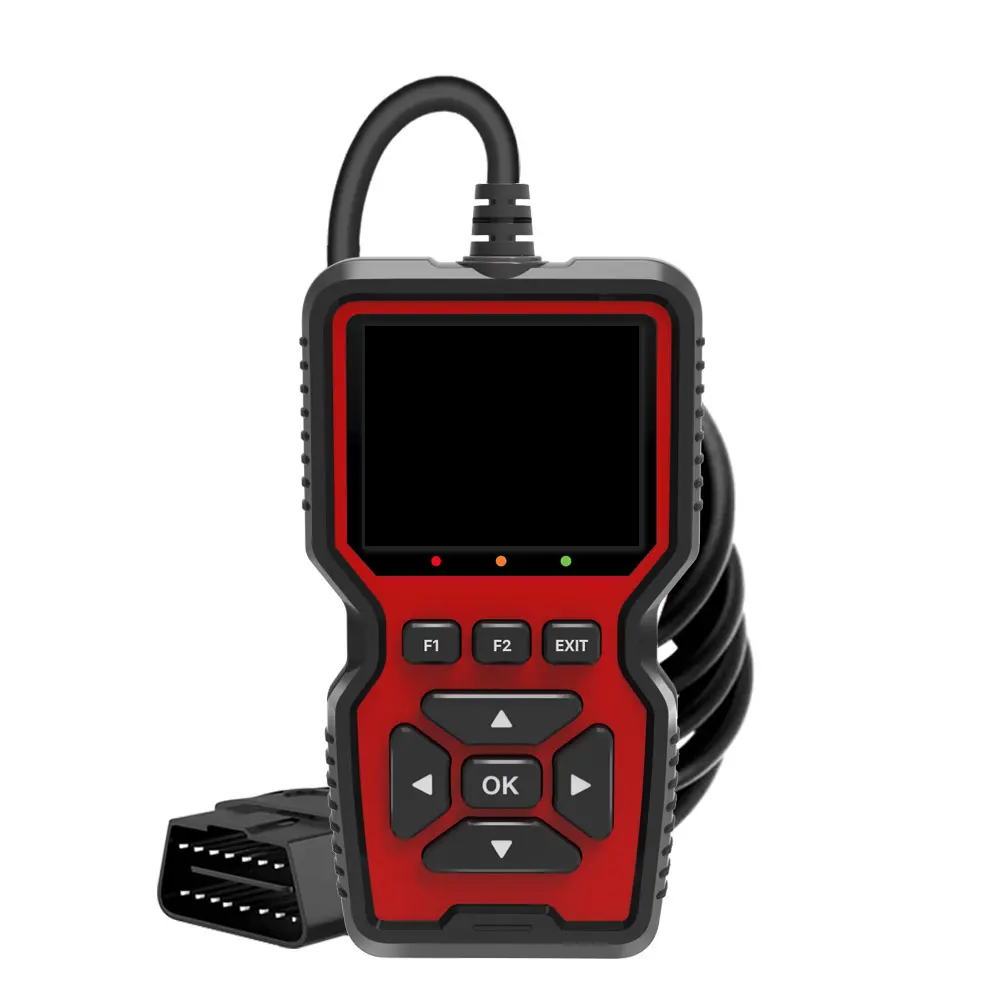
Diagnosis of P1852 requires a methodical approach using a digital multimeter (DMM) and an OBD-II scan tool.
- Visual Inspection: Begin with a thorough visual inspection of the transfer case shift motor and its entire wiring harness. Look for signs of physical damage, chafing, cuts, corrosion, or loose connections. Pay particular attention to areas where the harness might rub against sharp edges, exhaust components, or frame members. Inspect the electrical connector at the shift motor for bent pins, corrosion, or water intrusion.
- Check for Related DTCs: Use an OBD-II scan tool to retrieve any other diagnostic trouble codes present, especially those related to the TCCM, CAN bus communication, or other transfer case faults. These may provide additional clues.
- Isolate the Shift Motor:
- Disconnect the electrical connector from the transfer case shift motor.
- With the vehicle’s ignition in the RUN position (engine OFF), use a DMM to measure voltage at the specific pin on the harness side connector that corresponds to “Contact Plate ‘B'”. Refer to the vehicle’s specific wiring diagram for pin identification.
- If battery voltage (approximately 12V) is present on this pin, the short circuit is in the wiring harness between the TCCM and the shift motor, or within the TCCM itself.
- If no battery voltage is present on the harness side, the short circuit is likely internal to the transfer case shift motor assembly.
- Harness Continuity and Resistance Tests (if short on harness side):
- With both the TCCM and the transfer case shift motor disconnected, use the DMM to perform a continuity check between the “Contact Plate ‘B'” wire and the vehicle’s chassis ground, as well as to the positive battery terminal (or a known 12V supply wire in the harness). There should be no continuity to either.
- Additionally, check for continuity or low resistance between the “Contact Plate ‘B'” wire and other wires within the same harness bundle. This helps identify a wire-to-wire short.
- TCCM Output Check (if harness is clear): If the wiring harness is confirmed to be free of shorts, the focus shifts to the TCCM. This usually requires specific manufacturer test procedures and pinouts to verify if the TCCM is erroneously outputting voltage on the Contact Plate ‘B’ circuit.
Recommended Repairs and Solutions
The repair strategy for P1852 largely depends on where the diagnostic steps pinpoint the fault.
- Repair or Replace Damaged Wiring Harness: If the visual inspection or electrical tests reveal a damaged section of the wiring harness, the affected wires should be professionally repaired. This involves using high-quality automotive-grade wire, crimp connectors with heat shrink, or solder with marine-grade heat shrink tubing to ensure durability and weather resistance. For extensive damage, replacement of the entire harness section might be more practical. Ensure proper routing and securing of the harness to prevent future abrasion.
- Replace Transfer Case Shift Motor: If diagnostics confirm an internal short within the transfer case shift motor assembly (which is a very common failure for this code), replacement of the entire shift motor is necessary. Always opt for an OEM or high-quality aftermarket replacement to ensure proper fitment and reliable operation. After replacement, clear the DTCs and perform a thorough test drive, engaging all 4WD modes to verify the repair.
- Clean and Repair Corroded Connectors: If corrosion is found at the shift motor connector or other points in the circuit, thoroughly clean all affected terminals using an electrical contact cleaner and a small brush. Inspect for terminal damage; replace pins or the connector body if necessary. Apply a thin layer of dielectric grease to the terminals before reassembly to prevent future corrosion.
- Replace Transfer Case Control Module (TCCM): If all other components (wiring, shift motor) have been conclusively ruled out, and the TCCM is definitively shown to be at fault (e.g., internally shorting the circuit to battery), then replacement of the TCCM will be required. Be aware that many TCCMs require programming or calibration after installation, which may necessitate a dealership visit or advanced scan tool capabilities.
- Clear Codes and Test Drive: After performing any repair, use an OBD-II scanner to clear the P1852 DTC and any other related codes. Conduct an extensive test drive, cycling through all available transfer case modes multiple times, including low range if applicable, to confirm the repair and ensure the code does not return. Monitor the 4WD system’s operation for smooth engagement and disengagement.