What Does Code P1903 Mean?
DTC P1903, in the context of most vehicle manufacturers, signifies a detected electrical short circuit within the control circuit of Pressure Control Solenoid “C”. This is a manufacturer-specific code, meaning its precise interpretation and application may vary slightly between vehicle makes and models, though the fundamental issue remains consistent. In an automatic transmission, Pressure Control (PC) solenoids are critical electromechanical actuators responsible for regulating hydraulic fluid pressure within the valve body. This modulated pressure directly influences the engagement and disengagement of clutches and bands, thereby controlling gear changes, shift firmness, and overall transmission performance. The Transmission Control Module (TCM), often integrated within or communicating extensively with the Powertrain Control Module (PCM), continuously monitors the electrical characteristics (resistance, current draw) of these solenoid circuits.
When the TCM detects an abnormally low resistance or an excessive current flow through the circuit associated with Pressure Control Solenoid “C”, it interprets this as a “short circuit.” A short circuit implies that the electrical current is finding an unintended, low-resistance path, bypassing the solenoid’s coil, and possibly flowing directly to ground or another power source. This condition prevents the solenoid from functioning correctly, leading to improper hydraulic pressure regulation. Upon detection of this fault, the TCM will illuminate the Malfunction Indicator Lamp (MIL), store the P1903 code, and typically engage a “limp mode” or failsafe strategy to protect the transmission from further damage. This failsafe might involve locking the transmission into a specific gear or altering shift patterns to a less efficient but safer default.
Common Symptoms
- Check Engine Light (MIL) illumination on the dashboard.
- Noticeable transmission slipping, particularly during gear changes or acceleration.
- Harsh or delayed gear engagements, especially when shifting from Park or Neutral into Drive or Reverse.
- Transmission becoming stuck in a single gear (often a higher gear for limp mode), preventing upshifts or downshifts.
- Abnormal shift points or a complete inability to shift gears.
- A potential, indirect decrease in fuel economy due to the transmission operating in an incorrect gear ratio.
- In severe or prolonged cases, transmission overheating due to excessive slipping or prolonged high RPM operation.
What Causes the Code P1903?
- An internal short circuit within Pressure Control Solenoid “C” itself. This is the most common cause, where the coil windings within the solenoid fail due to wear, heat, or fluid contamination, creating a direct short.
- Damaged wiring harness leading to Pressure Control Solenoid “C”. This includes chafed, pinched, melted, or cut wires that could short to ground, to power, or to another wire within the harness.
- Corrosion or water intrusion at the solenoid’s electrical connector or within the wiring harness, creating an unintended electrical path. This can occur due to exposure to road salt, water, or transmission fluid leaks.
- Poor or compromised electrical connection at the solenoid connector, such as bent pins, loose terminals, or excessive resistance leading to intermittent shorting conditions.
- A rare but possible internal fault within the Transmission Control Module (TCM) or Powertrain Control Module (PCM) that incorrectly interprets the solenoid circuit resistance or inadvertently creates a short within its own drivers.
How to Diagnose and Troubleshoot
A systematic diagnostic approach is crucial for accurately resolving P1903. Begin by gathering all available information:
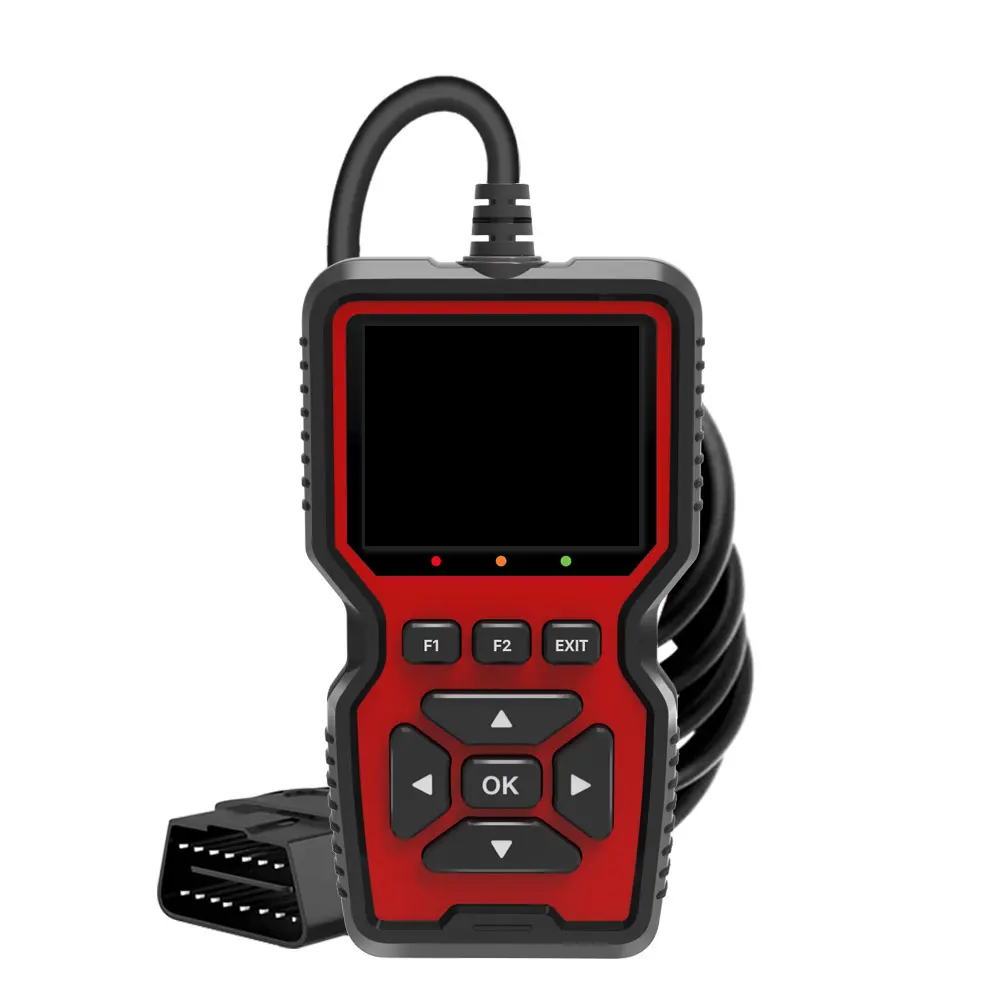
- Retrieve and Record DTCs: Connect an OBD-II scanner to the vehicle’s diagnostic port. Confirm the presence of P1903 and note any other pending or history codes, especially those related to transmission operation (e.g., P07XX series), as they may offer contextual clues. Record freeze frame data, then clear all codes.
- Visual Inspection of Wiring and Connectors:
- Carefully inspect the external transmission wiring harness for any visible signs of damage, such as chafing, pinching, melting, or corrosion, particularly where it routes near hot exhaust components, sharp edges, or moving parts.
- Locate the electrical connector for Pressure Control Solenoid “C”. This often requires dropping the transmission pan and valve body, but some solenoids may be externally mounted. Consult a vehicle-specific service manual for the exact location and wiring diagrams.
- Inspect the solenoid’s connector for bent pins, corrosion, fluid contamination, or loose terminal fit.
- Check for any signs of transmission fluid leaks around the transmission pan, side covers, or internal harnesses, as fluid intrusion can degrade wiring insulation.
- Electrical Testing of Solenoid “C” (Resistance Check):
- Safely lift and support the vehicle. Drain the transmission fluid and remove the pan, then carefully remove the valve body assembly to gain access to the solenoids.
- Disconnect the electrical connector from Pressure Control Solenoid “C”.
- Using a Digital Multimeter (DMM) set to ohms (Ω), measure the resistance directly across the two electrical terminals of the solenoid itself.
- Compare this reading to the manufacturer’s specified resistance value, which can typically range from 1 to 20 ohms for PC solenoids. A reading significantly lower than specified (e.g., near 0 ohms) strongly indicates an internal short circuit within the solenoid. An open circuit (OL or infinity) would suggest a different fault (P190X – Open Circuit).
- Electrical Testing of Wiring Harness Integrity:
- With the solenoid still disconnected, set the DMM to ohms (Ω) and check for continuity between each terminal of the solenoid’s harness connector (the vehicle side) and a known good chassis ground. There should be no continuity to ground. If continuity exists, it indicates a short to ground in the wiring harness, which must be traced and repaired.
- Using the wiring diagram, identify the power and signal wires for Solenoid “C” at the TCM/PCM connector. Test for continuity between the solenoid’s harness connector terminals and the corresponding pins at the disconnected TCM/PCM connector. This verifies the integrity of the wiring path.
- If applicable (consult wiring diagram), with the ignition in the RUN position, use the DMM set to DC volts (V) to check for battery voltage at the power supply pin of the solenoid’s harness connector.
- Transmission Fluid Condition Check: While the pan is off, inspect the transmission fluid for proper level (if checking before draining), burnt smell, excessive dark coloration, or metal debris. Burnt fluid or significant debris can indicate internal transmission wear or damage that could indirectly affect solenoid operation.
Recommended Repairs and Solutions
- Replace Pressure Control Solenoid “C”: If the electrical resistance test confirms an internal short within the solenoid, replacement is the primary solution. This usually involves removing the transmission pan, draining the fluid, and carefully detaching the valve body to access and replace the faulty solenoid. Always use an OEM or high-quality aftermarket solenoid to ensure proper function and longevity.
- Repair or Replace Damaged Wiring Harness: If visual inspection or electrical testing reveals a damaged wiring harness (short to ground, short to power, or an open circuit), the affected section must be repaired. Use proper automotive wiring repair techniques, including soldering connections and insulating with heat-shrink tubing. If the damage is extensive, consider replacing the entire harness section. Ensure correct routing of the repaired harness to prevent future issues.
- Clean and Secure Connectors: If corrosion or a poor connection at the solenoid connector is identified, thoroughly clean the terminals using electrical contact cleaner and a small brush. Ensure all terminals are straight and that the connector snaps securely into place, providing a tight fit.
- Transmission Fluid and Filter Service: Any time the transmission pan is dropped for solenoid replacement or other internal work, it is imperative to replace the transmission fluid and filter. Use the manufacturer-specified fluid type and quantity to ensure proper lubrication and hydraulic function.
- TCM/PCM Replacement (Last Resort): If all solenoid and wiring checks confirm integrity, but the P1903 code persists, the Transmission Control Module (TCM) or Powertrain Control Module (PCM) may be at fault. This is a rare occurrence and should only be considered after thoroughly ruling out all other possibilities. TCM/PCM replacement often requires specialized programming or relearning procedures that may necessitate dealership or specialized shop intervention.
- Clear Codes and Test Drive: After performing any repairs, clear all diagnostic trouble codes using the OBD-II scanner. Conduct an extended test drive under varying conditions to confirm that normal transmission operation has been restored and that the P1903 code, or any related codes, do not reappear. Monitor live data streams for solenoid operation if the scanner supports this functionality.