What Does Code P1905 Mean?
DTC P1905 signifies an intermittent short circuit detected in the control circuit of Pressure Control Solenoid “C”. In modern automatic transmissions, Pressure Control Solenoids (PCS), often referred to as Line Pressure Control (LPC) solenoids or Electronic Pressure Control (EPC) solenoids, are crucial electromechanical actuators responsible for regulating hydraulic pressure within the transmission system. This pressure directly influences shift quality, torque converter lock-up, and overall transmission efficiency. The Engine Control Module (ECM) or Powertrain Control Module (PCM), which often integrates the Transmission Control Module (TCM), monitors the electrical characteristics of these solenoid circuits, including resistance, current flow, and voltage drop. When P1905 is stored, the ECM/PCM has identified a momentary or fluctuating deviation from the expected electrical parameters for Solenoid “C”, indicating a transient short to ground, a short to power, or an internal short within the solenoid itself. The “intermittent” nature suggests the fault is not constant, potentially manifesting under specific operating conditions, vibrations, or temperature fluctuations, making diagnosis particularly challenging. This electrical anomaly disrupts the ECM/PCM’s ability to precisely control the hydraulic pressure governed by Solenoid “C”, thereby compromising transmission operation.
Common Symptoms
- Check Engine Light (MIL) Illumination: The Malfunction Indicator Lamp will illuminate, although it may flicker or reset before becoming steadily illuminated due to the intermittent nature of the fault.
- Erratic or Harsh Shifting: The transmission may exhibit sudden, hard shifts or delayed engagements between gears, particularly noticeable during acceleration or deceleration, due to fluctuating line pressure.
- Transmission Slipping: The transmission may slip out of gear or fail to engage correctly, leading to a temporary loss of power transfer to the drive wheels.
- Reduced Fuel Economy: Inconsistent transmission operation and inefficient torque converter lock-up can lead to increased engine load and subsequently higher fuel consumption.
- Transmission Limp Mode Activation: The ECM/PCM may command the transmission into a “fail-safe” or “limp home” mode, typically limiting available gears (e.g., 2nd or 3rd gear only) to prevent further mechanical damage.
- Delayed Engagement: A noticeable delay when shifting the gear selector into Drive or Reverse.
What Causes the Code P1905?
- Internally Faulty Pressure Control Solenoid “C”: The most common cause, where the solenoid’s internal windings develop an intermittent short circuit, often due to insulation breakdown or physical damage.
- Damaged or Chafed Wiring Harness: The electrical wiring harness connected to Pressure Control Solenoid “C” can become frayed, pinched, or abraded, leading to an intermittent short to vehicle ground or to a power wire when it makes contact with other components or vibrates.
- Corroded or Loose Electrical Connectors: Corrosion within the solenoid’s electrical connector or the associated PCM/TCM connector can create intermittent high resistance or shorting pathways. Loose terminal pin tension can also cause intermittent electrical contact.
- Internal Transmission Fluid Contamination or Debris: While less common for an electrical short, conductive debris or severely contaminated transmission fluid can potentially bridge electrical contacts within the valve body, leading to an intermittent short, though this is rare for a direct solenoid circuit short.
- Faulty Transmission Control Module (TCM) or Powertrain Control Module (PCM): Although infrequent, an internal fault within the control module itself, such as a failing driver circuit for the solenoid, could misinterpret feedback or incorrectly supply current, leading to a perceived short.
How to Diagnose and Troubleshoot
Diagnosing an intermittent electrical fault like P1905 requires meticulous attention to detail and patience. A systematic approach using a digital multimeter (DMM) and an OBD-II scanner is essential:
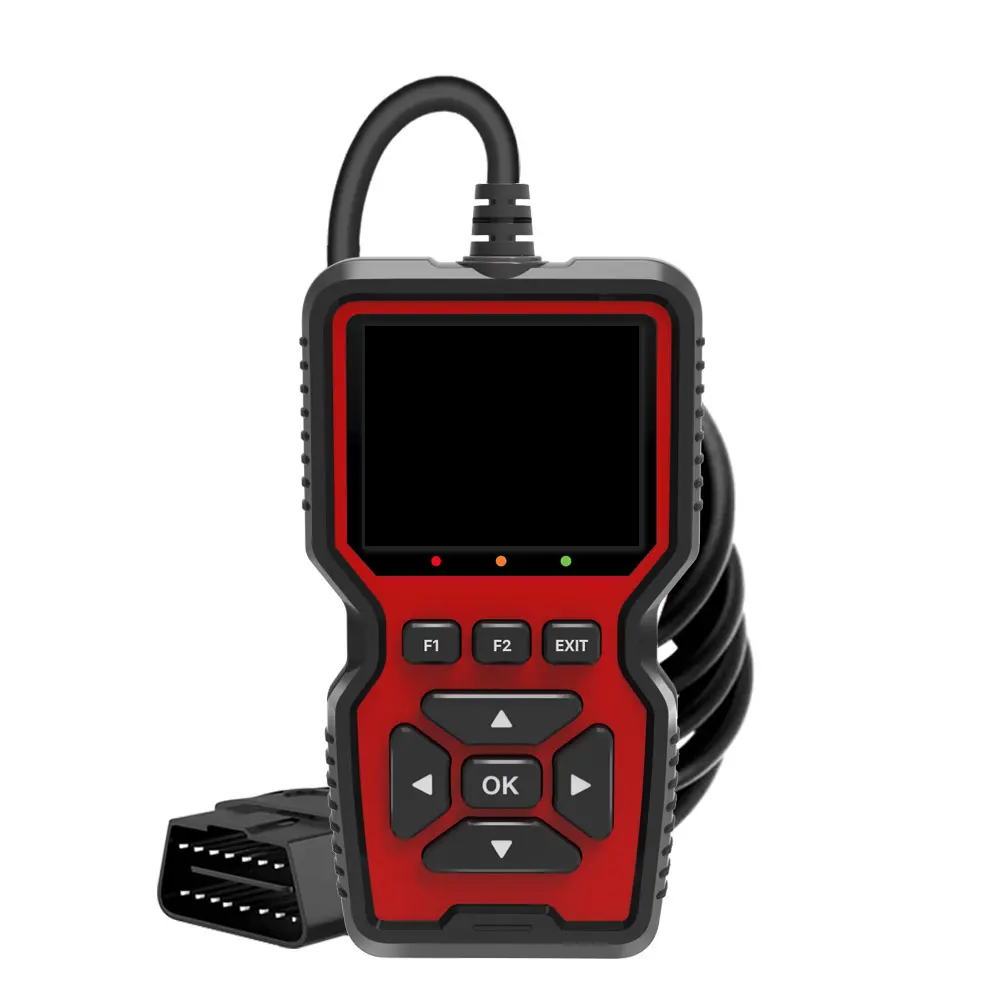
- Initial Scan and Freeze Frame Data Retrieval: Connect an OBD-II scanner to the vehicle’s Data Link Connector (DLC). Confirm the presence of P1905 and check for any related or accompanying transmission DTCs. Crucially, review the freeze frame data associated with P1905; this data captures the vehicle’s operating parameters (engine RPM, vehicle speed, load, transmission temperature) at the moment the code was set, providing valuable clues regarding the conditions under which the intermittent short occurred.
- Visual Inspection of Wiring and Connectors: Disconnect the vehicle’s negative battery terminal before performing extensive electrical checks. Locate Pressure Control Solenoid “C” (often situated within the transmission valve body, requiring the transmission pan to be dropped) and its external wiring harness. Carefully inspect the entire length of the harness for signs of physical damage such as chafing, pinching, cuts, or melting that could lead to intermittent shorting. Pay close attention to areas where the harness passes through grommets or near sharp edges. Examine the solenoid’s electrical connector and the corresponding connector at the PCM/TCM for corrosion, bent pins, loose terminals, or signs of moisture intrusion.
- Solenoid Resistance Test: With the transmission pan removed (if necessary) and the solenoid’s connector disconnected, use a DMM set to ohms to measure the internal resistance of Pressure Control Solenoid “C” across its terminals. Compare this reading to the manufacturer’s specifications (found in the vehicle’s service manual). An intermittent short might manifest as a fluctuating resistance reading or a resistance value significantly lower than specified. Gently wiggle the solenoid’s body and connector while measuring to see if the resistance fluctuates, attempting to induce the intermittent fault.
- Wiring Harness Continuity and Short-to-Ground/Power Test: With the solenoid disconnected and, ideally, the PCM/TCM connector also disconnected (refer to service manual for specific procedures to avoid PCM damage), use a DMM to test the continuity of the solenoid’s control circuit wiring from the solenoid connector back to the PCM/TCM connector. Ensure there is good continuity and no excessive resistance. Then, test for continuity between each wire in the solenoid circuit and vehicle ground, as well as to battery voltage (if ignition is on, or to B+ terminal if off). Any continuity to ground or power indicates a short. Perform a “wiggle test” on the harness during these measurements to expose intermittent shorts.
- Live Data and Oscilloscope Analysis (If Applicable): If the intermittent fault is difficult to pinpoint, an advanced technician might use an oscilloscope to monitor the control signal waveform to Pressure Control Solenoid “C” while performing a test drive or simulating operating conditions that triggered the code. An intermittent short would be visible as a sudden and temporary deviation (e.g., a drop to zero volts for a short to ground, or a sudden spike for a short to power) in the solenoid’s duty cycle or voltage signal.
Recommended Repairs and Solutions
Once the diagnostic process has pinpointed the root cause of P1905, the following repairs are typically recommended:
- Repair or Replace Damaged Wiring Harness: If the wiring harness is found to be physically damaged (chafed, pinched, or cut), the affected section should be carefully repaired using high-quality, OEM-grade wiring, solder, and marine-grade heat shrink tubing to ensure durability and prevent future issues. In cases of extensive damage, replacing the entire sub-harness may be the more reliable solution.
- Clean or Replace Corroded Electrical Connectors: If corrosion is identified within the solenoid’s or PCM/TCM’s electrical connectors, carefully clean the terminals using an approved electrical contact cleaner and a non-abrasive brush. If the corrosion is severe or if the terminals are bent or suffering from poor pin tension, the connector housing and individual terminals should be replaced.
- Replace Pressure Control Solenoid “C”: If electrical testing confirms an internal intermittent short within the solenoid itself (e.g., inconsistent resistance readings during wiggling), the solenoid must be replaced. This typically requires dropping the transmission fluid pan, potentially removing the valve body, and replacing the pan gasket and transmission fluid. Always use an OEM-equivalent or genuine OEM replacement solenoid.
- Inspect and Replace Transmission Fluid and Filter: While not a direct cause of electrical shorts, ensuring the transmission fluid is at the correct level, clean, and free of debris is always a good practice, especially when the transmission pan has been removed for solenoid access. Replace the transmission filter simultaneously.
- PCM/TCM Replacement (Rare): Only consider replacing the PCM/TCM as a last resort, after all other potential causes, including wiring and the solenoid itself, have been thoroughly diagnosed and ruled out. This is a costly repair and often requires reprogramming to the vehicle’s specific VIN.
- Post-Repair Verification: After completing any repair, clear the DTCs from the ECM/PCM using an OBD-II scanner. Perform an extended test drive under various operating conditions (city and highway driving, different gear selections, varying engine loads) to confirm that the P1905 code does not return and that transmission operation has normalized. Some vehicles may require a transmission relearn procedure via the scanner after solenoid replacement to optimize shift points and pressure regulation.