
Overview & Design Features
The Lexus 2GR-FKS is a 3.5-liter (3456 cc) naturally aspirated V6 gasoline engine, a prominent member of Toyota’s GR engine family. Developed by Toyota Motor Corporation, this engine represents a significant evolution of its predecessors, notably the 2GR-FSE and 2GR-FE, by integrating advanced fuel injection and valve timing technologies. Primarily utilized in premium Lexus vehicles and high-volume Toyota models, the 2GR-FKS is engineered to deliver a compelling blend of power, fuel efficiency, and refined operation, establishing itself as a workhorse V6 for a wide range of applications from luxury sedans to SUVs.
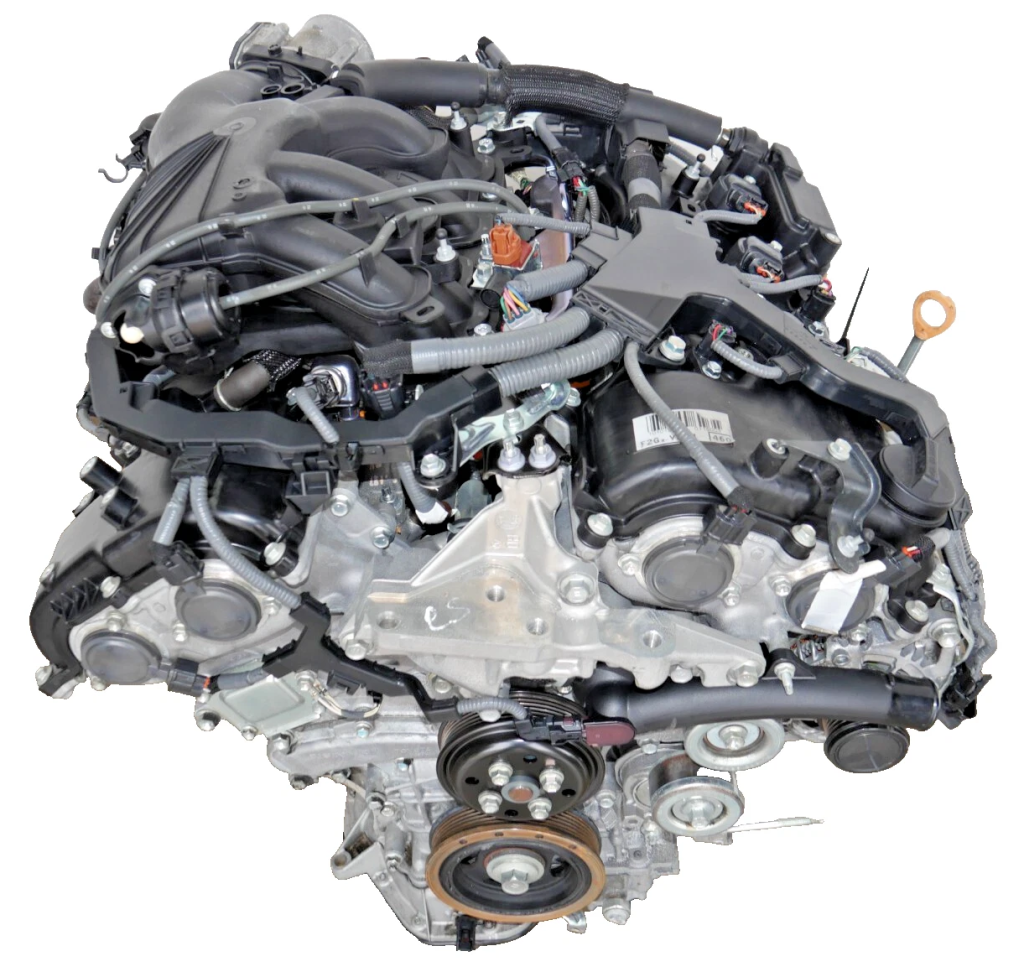
At its core, the 2GR-FKS features an aluminum alloy cylinder block and cylinder heads, contributing to reduced weight and improved thermal management. It employs a DOHC (Double Overhead Camshaft) 24-valve valvetrain, with four valves per cylinder. A key technological advancement is the adoption of Toyota’s D-4S fuel injection system, which seamlessly combines both port (PFI) and direct (GDI) fuel injection. This dual-injection strategy optimizes combustion efficiency across various engine speeds and loads, reducing emissions and enhancing fuel economy. Furthermore, the engine incorporates VVT-iW (Variable Valve Timing-intelligent Wide) on the intake camshafts and VVT-i (Variable Valve Timing-intelligent) on the exhaust camshafts, allowing for extensive valve timing overlap adjustments to maximize torque output and efficiency.
The 2GR-FKS engine has seen widespread deployment across the Lexus and Toyota lineups. Key Lexus models include the IS 300 and IS 350 (2016-present), RC 300 and RC 350 (2016-present), GS 350 (2016-2020), ES 350 (2019-present), and RX 350 (2016-present). In Toyota applications, it powers models such as the Camry (2018-present), Highlander (2017-present), Sienna (2021-present), and Tacoma (2016-present), albeit often with different tuning and output characteristics to suit their specific vehicle missions.
Technical Specifications
| Specification | Value |
|---|---|
| Displacement (cc) | 3456 |
| Max Power (hp (kW) @ RPM) | 311 hp (232 kW) @ 6600 RPM (Lexus IS 350, RC 350 typical) |
| Max Torque (Nm (kg*m) @ RPM) | 380 Nm (38.7 kg*m) @ 4800 RPM (Lexus IS 350, RC 350 typical) |
| Fuel Type | Premium Unleaded (91+ RON recommended) |
| Fuel Consumption (l/100 km) | Varies significantly by vehicle model and driving conditions |
| Engine Type | V6, DOHC |
| Compression Ratio | 11.8:1 |
| Cylinder Bore (mm) | 94.0 |
| Piston Stroke (mm) | 83.0 |
| Valvetrain | DOHC, 24-valve |
| Valves per Cylinder | 4 |
| Additional Info | D-4S (Port + Direct Injection), VVT-iW (Intake), VVT-i (Exhaust) |
Common Problems & Reliability
The 2GR-FKS engine generally maintains Toyota’s reputation for robust reliability, but like any modern engine, it possesses specific characteristics that require attention. One common concern for direct injection engines, including the 2GR-FKS, is the potential for carbon buildup on intake valves. While the D-4S system mitigates this by utilizing port injection at lower loads, which helps wash the intake valves, prolonged short-trip driving or infrequent high-RPM operation can still lead to some accumulation over extended mileage. Symptoms may include a slight decrease in performance or rough idle. Another reported issue, though less widespread than in some earlier GR engines, is minor oil consumption at higher mileages, which is typically within manufacturer-defined acceptable limits but warrants regular monitoring of oil levels.
Some users have also noted a characteristic “ticking” sound from the high-pressure fuel pump (HPFP) due to its mechanical operation, which is typically considered normal and not indicative of a fault unless accompanied by performance issues. Overall, the 2GR-FKS is considered highly durable. With diligent maintenance, a service life of 250,000 to 300,000 miles (approximately 400,000 to 480,000 km) before requiring major overhaul is realistically achievable.
Maintenance Tips & Service Schedule
- Oil Changes: Regular oil changes are paramount. The manufacturer typically recommends synthetic oil with a viscosity of 0W-20. Intervals generally range from 5,000 miles (8,000 km) or 6 months under severe driving conditions to 10,000 miles (16,000 km) or 12 months for normal driving. Adherence to the shorter interval is often beneficial for engine longevity.
- Spark Plugs: Iridium-tipped spark plugs should be replaced every 60,000 to 100,000 miles (96,000 to 160,000 km), depending on specific vehicle application and owner’s manual recommendation.
- Timing Chain: The 2GR-FKS utilizes a timing chain, which is designed for the life of the engine and typically does not require scheduled replacement. However, inspection for excessive stretch or noise is advisable during high-mileage services.
- Coolant Flush: The Super Long Life Coolant (SLLC) specified by the manufacturer often has an initial service life of 100,000 miles (160,000 km) or 10 years, followed by subsequent flushes every 50,000 miles (80,000 km) or 5 years.
- Carbon Buildup: To mitigate carbon buildup, periodic sustained highway driving at higher RPMs can be beneficial. For advanced cases of buildup, professional intake valve cleaning methods, such as walnut blasting, may be required. Use of quality fuel and occasional fuel system cleaners can also contribute to system cleanliness.
Conclusion
The Lexus 2GR-FKS engine stands as a testament to Toyota’s engineering prowess, offering a compelling combination of refined performance, advanced technology, and high reliability. Its D-4S fuel injection and VVT-iW systems deliver impressive power and efficiency across a broad RPM range. While direct injection engines inherently face the potential for carbon buildup, the 2GR-FKS generally manages this well, and issues are typically minor or addressable through proper maintenance. For a used vehicle buyer, a car equipped with the 2GR-FKS engine represents a safe and robust choice, provided there is a verifiable history of consistent and diligent maintenance. Its proven track record and longevity make it a highly recommendable powerplant.