
Overview & Design Features
The Lexus 2AD-FHV is a 2.2-liter (2231 cc) inline four-cylinder, DOHC, common rail direct injection turbodiesel engine, developed by Toyota for its premium Lexus division and other Toyota models. Introduced around 2005, it represents a significant push into the European diesel market for Lexus, aiming to combine performance with fuel efficiency and lower emissions. It was a key offering in Lexus’s mid-size luxury sedan segment, particularly in markets with high diesel demand, highlighting Toyota’s advanced diesel technology at the time.
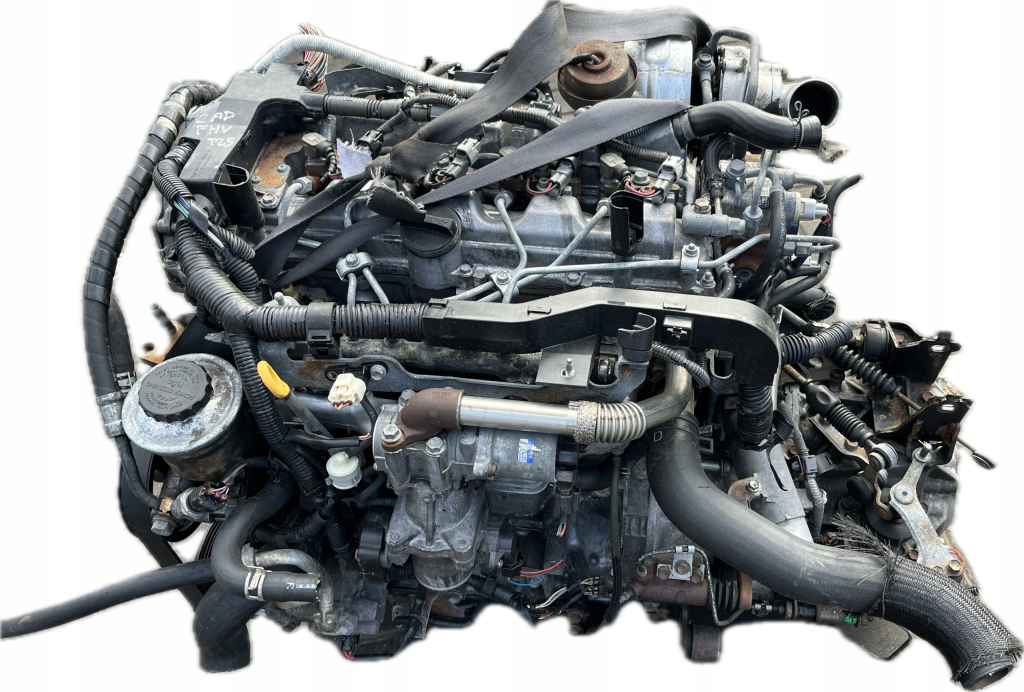
Constructed with an all-aluminum cylinder block and cylinder head, the 2AD-FHV engine benefits from a lightweight design, aiding overall vehicle dynamics and fuel economy. It features a sophisticated Denso common rail direct injection system utilizing piezoelectric injectors for precise fuel delivery and multiple injection events per combustion cycle. A variable geometry turbocharger (VGT) ensures responsive power delivery across the RPM range, complemented by an intercooler to optimize intake air density. Crucially, the engine incorporates Toyota’s Diesel Clean Advanced Technology (D-CAT) system, which includes a Diesel Particulate Filter (DPF) and a NOx storage catalyst, designed to meet stringent Euro 4 and later Euro 5 emission standards.
This specific engine variant saw primary deployment in the Lexus IS 220d, produced from approximately 2005 to 2012. It was also utilized in various Toyota models, including the Toyota Avensis 2.2 D-CAT, Toyota RAV4 2.2 D-CAT, and Toyota Auris 2.2 D-CAT, often in higher-output configurations compared to other AD-series engines. Its application was typically limited to specific markets, predominantly Europe, where diesel powertrains held significant market share due to fuel economy and torque characteristics.
Technical Specifications
| Specification | Value |
|---|---|
| Displacement | 2231 cc |
| Max Power | 177 hp (130 kW) @ 3600 RPM |
| Max Torque | 400 Nm (40.8 kg*m) @ 2000-2800 RPM |
| Fuel Type | Diesel |
| Fuel Consumption (combined) | 6.3 l/100 km (Lexus IS 220d average) |
| Engine Type | Inline 4-cylinder, DOHC, Common Rail Turbodiesel |
| Compression Ratio | 15.8:1 |
| Cylinder Bore | 86.0 mm |
| Piston Stroke | 96.0 mm |
| Valvetrain | DOHC, Chain-driven |
| Valves per Cylinder | 4 |
| Additional Info | Variable Geometry Turbocharger (VGT), Intercooler, Diesel Clean Advanced Technology (D-CAT) emission system |
Common Problems & Reliability
While fundamentally robust, the 2AD-FHV engine is known for specific issues, primarily related to its advanced emission control systems and fuel injection components. Carbon buildup in the EGR valve and intake manifold is a prevalent problem, exacerbated by short-distance driving and lower engine operating temperatures. This accumulation restricts airflow, reduces efficiency, and can trigger diagnostic trouble codes. Another significant concern involves the Denso piezoelectric fuel injectors, which can fail prematurely, leading to rough idling, misfires, reduced power, and increased fuel consumption. Replacement can be costly.
The complex D-CAT system, particularly the Diesel Particulate Filter (DPF), is susceptible to clogging if proper regeneration cycles are not achieved or if incorrect engine oil is used. This can lead to reduced engine power and expensive DPF replacement or cleaning procedures. Less common but reported issues include premature water pump failure and, in some instances, head gasket degradation if cooling system maintenance is neglected. With diligent maintenance and proper driving habits, the 2AD-FHV engine can achieve a service life of 200,000 to 250,000 kilometers (approximately 125,000 to 155,000 miles) before major component overhauls might be considered, though many examples exceed this significantly.
Maintenance Tips & Service Schedule
To ensure optimal performance and longevity for the 2AD-FHV engine, adherence to a rigorous maintenance schedule is paramount. Engine oil changes are critical; synthetic oil meeting ACEA C2 or C3 specifications (e.g., 5W-30 or 0W-30) is required for DPF compatibility and should be performed every 10,000-15,000 kilometers or annually, whichever comes first. Regular monitoring for oil dilution from DPF regeneration is also recommended. The fuel filter should be replaced every 30,000-40,000 kilometers to protect the sensitive high-pressure fuel system components from contaminants.
Air filters should be inspected at every service and replaced as needed, typically every 30,000 kilometers to maintain proper engine breathing. The cooling system requires attention, with coolant flushes recommended every 5 years or 100,000 kilometers to prevent corrosion and maintain heat transfer efficiency. While the 2AD-FHV uses a timing chain designed for the life of the engine, periodic inspections for abnormal noise or wear during higher mileage services are prudent. To mitigate carbon buildup, occasional extended highway driving allows for proper DPF regeneration and helps keep the EGR system cleaner. Proactive cleaning of the EGR valve and intake manifold at higher mileages can prevent significant performance issues.
Conclusion
The Lexus 2AD-FHV engine, while offering strong performance and respectable fuel economy for its era, presents a nuanced proposition for a used vehicle buyer. Its advanced D-CAT emission technology provides environmental benefits but can lead to costly repairs if not meticulously maintained or if the vehicle’s usage pattern (e.g., predominantly short city trips) does not suit diesel engines equipped with DPFs. For buyers willing to commit to strict service intervals, specific oil requirements, and who undertake regular longer journeys, the 2AD-FHV can be a robust and rewarding powertrain. However, potential owners must be aware of the known issues concerning carbon buildup, fuel injectors, and DPF functionality, factoring these into pre-purchase inspections and potential future maintenance budgets. A well-maintained example is a capable and efficient choice, but neglect can quickly diminish its appeal and lead to significant repair expenses.