
Overview & Design Features
The Lexus 8AR-FTS is a 2.0-liter (1998 cc) turbocharged inline-four gasoline engine, developed by Toyota for its luxury Lexus brand. Introduced in 2014, it represents a significant engineering achievement for the manufacturer, marking its first widespread application of a modern turbocharged gasoline engine in mass-produced Lexus models. This engine was designed to offer a compelling balance of performance, fuel efficiency, and refinement, suitable for various premium compact and mid-size vehicles. Its introduction allowed Lexus to compete more effectively in global markets where smaller displacement, forced-induction engines are increasingly prevalent.
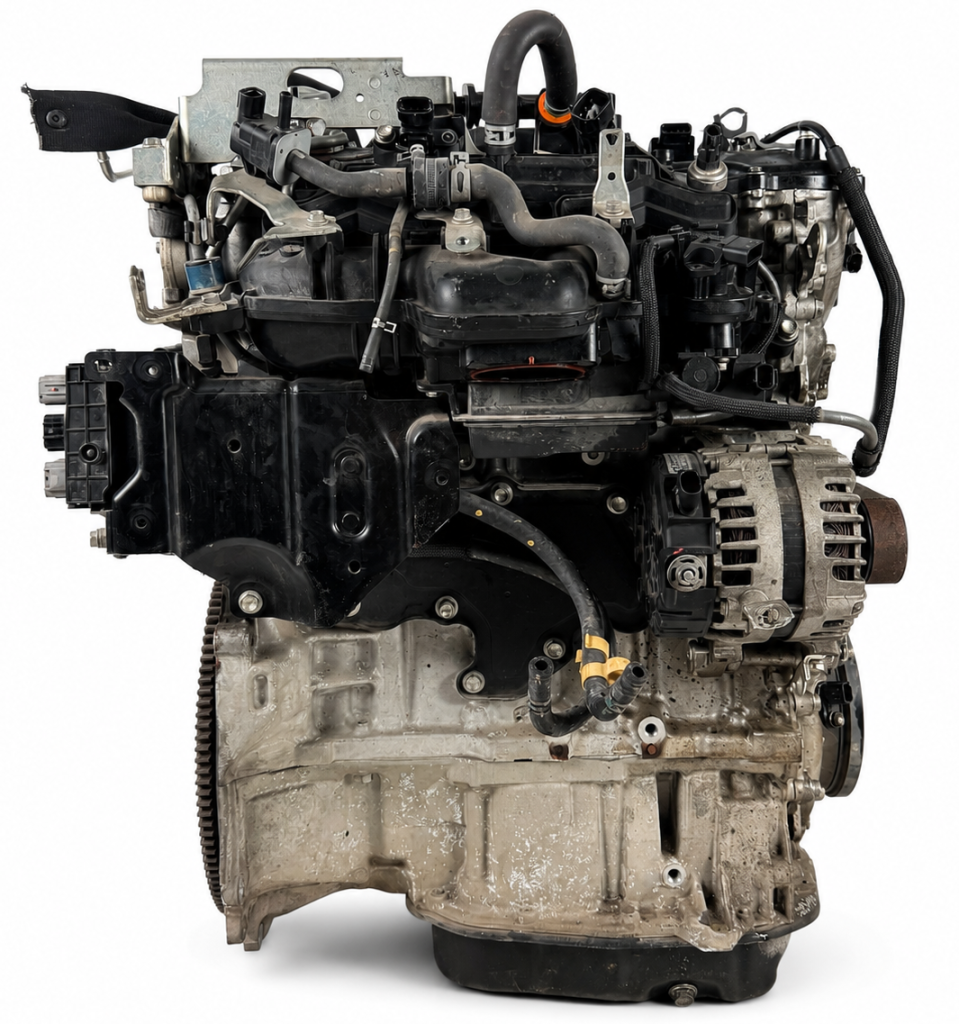
At its core, the 8AR-FTS features an all-aluminum cylinder block and cylinder head for reduced weight and improved heat dissipation. A key technological highlight is the D-4ST (Direct-injection 4-stroke gasoline engine Superior Version with Turbo) fuel injection system, which combines both port and direct fuel injection to optimize combustion across the entire RPM range, reducing emissions and mitigating carbon buildup concerns common in purely direct-injected engines. Furthermore, the engine incorporates an advanced VVT-iW (Variable Valve Timing-intelligent Wide) system on the intake camshaft, allowing it to switch between Otto and Atkinson cycles for enhanced thermal efficiency, alongside VVT-i on the exhaust camshaft. A twin-scroll turbocharger with an air-to-liquid intercooler ensures rapid boost response and consistent power delivery.
The 8AR-FTS engine was primarily deployed across several Lexus models, including the IS200t/IS300 (2015-2020), RC200t/RC300 (2015-2020), NX200t/NX300 (2015-2021), and RX200t/RX300 (2016-2022). It also found application in specific Toyota models, such as the Crown (S210 series, 2015-2018), Harrier (XU60 series, 2017-2020), and Highlander (XU50 series, 2018-2021, primarily in the Chinese market). The engine was often paired with an 8-speed automatic transmission, ensuring smooth power transfer and optimizing fuel economy.
Technical Specifications
| Specification | Value |
|---|---|
| Displacement (cc) | 1998 |
| Max Power (hp (kW) @ RPM) | 235 hp (175 kW) @ 4800-5600 RPM |
| Max Torque (Nm (kg*m) @ RPM) | 350 Nm (35.7 kg*m) @ 1650-4000 RPM |
| Fuel Type | Premium Unleaded (91 RON minimum) |
| Fuel Consumption (l/100 km) | Refer to specific vehicle documentation |
| Engine Type | Inline-4, DOHC, Turbocharged, Intercooled |
| Compression Ratio | 10.0:1 |
| Cylinder Bore (mm) | 86.0 |
| Piston Stroke (mm) | 86.0 |
| Valvetrain | DOHC, 16-valve |
| Valves per Cylinder | 4 |
| Additional Info | D-4ST direct/port injection, VVT-iW (intake), VVT-i (exhaust), twin-scroll turbocharger, water-to-air intercooler. |
Common Problems & Reliability
The Lexus 8AR-FTS is generally regarded as a reliable engine, benefiting from Toyota’s rigorous engineering and quality control. However, like any complex modern turbocharged engine, certain areas warrant attention.
- Carbon Buildup: While the D-4ST system with its port injectors significantly mitigates carbon buildup on intake valves compared to purely direct-injected engines, it is not entirely immune. Over extended periods, especially with short-distance driving or infrequent high-RPM operation, some accumulation can occur. Regular maintenance and occasional use of quality fuel system cleaners can help.
- PCV Valve and System: The Positive Crankcase Ventilation (PCV) system can become restricted or the valve can stick over time, leading to increased crankcase pressure, potential oil consumption, or oil leaks. Inspection and replacement of the PCV valve are recommended during higher mileage services.
- Turbocharger Longevity: The twin-scroll turbocharger is robust, but its longevity is directly tied to proper oil maintenance and allowing the engine to cool down after strenuous driving. Neglecting oil changes or shutting off a hot engine immediately after heavy load can stress turbocharger bearings and seals over time.
Under proper and consistent maintenance, including timely oil changes with the correct synthetic oil, the 8AR-FTS engine has an expected service life exceeding 250,000 kilometers (approximately 155,000 miles) before requiring any major overhaul. Many examples are capable of significantly higher mileage when well cared for.
Maintenance Tips & Service Schedule
Adhering to a strict maintenance schedule is crucial for the longevity and optimal performance of the 8AR-FTS engine.
- Engine Oil and Filter: Synthetic engine oil, typically 0W-20 or 5W-30 (refer to owner’s manual for specific viscosity recommendations based on climate), should be changed every 8,000-10,000 kilometers (5,000-6,000 miles) or every 6 months, whichever comes first. Use only oil meeting API SN/SP or ILSAC GF-5/GF-6 standards.
- Spark Plugs: Iridium-tipped spark plugs require replacement approximately every 90,000-100,000 kilometers (60,000 miles).
- Air Filter: Inspect the engine air filter at every service and replace every 30,000 kilometers (20,000 miles) or more frequently in dusty conditions.
- Coolant Flush: The super long-life coolant typically requires replacement at 160,000 kilometers (100,000 miles) initially, then every 80,000 kilometers (50,000 miles) or 5 years thereafter.
- Timing Chain: The 8AR-FTS utilizes a timing chain, which is designed to last the life of the engine under normal operating conditions and does not have a prescribed replacement interval. However, inspection for excessive noise or stretch may be warranted at very high mileages.
- Fuel System Cleaning: Periodic use of a high-quality fuel system cleaner is recommended to assist in maintaining injector cleanliness and reducing potential carbon deposits.
Conclusion
The Lexus 8AR-FTS engine stands as a testament to Lexus’s commitment to refined performance and reliability in the modern turbocharged era. Its blend of advanced technologies, including D-4ST fuel injection, VVT-iW, and a responsive twin-scroll turbocharger, delivers a smooth, powerful, and relatively efficient driving experience. While some common turbocharged engine considerations such as potential carbon buildup exist, Lexus’s engineering solutions largely mitigate these issues. For a used vehicle buyer, the 8AR-FTS engine is considered a safe and reliable choice, provided the vehicle has a consistent and documented maintenance history. Its robust design and accessible service requirements make it a commendable option within the luxury compact and mid-size segments.