
Overview & Design Features
The Lexus 8GR-FKS engine represents a sophisticated and powerful iteration within Toyota’s esteemed GR engine family. Introduced by Lexus, this 3.5-liter (3456 cc) naturally aspirated V6 gasoline engine is engineered for premium luxury vehicles, delivering a refined balance of robust performance, enhanced fuel efficiency, and quiet operation. It serves as a cornerstone powerplant for various Lexus models, emphasizing the brand’s commitment to advanced automotive engineering and driving dynamics. Its design leverages decades of Toyota’s engine development, aiming for exceptional durability and a responsive driving experience.
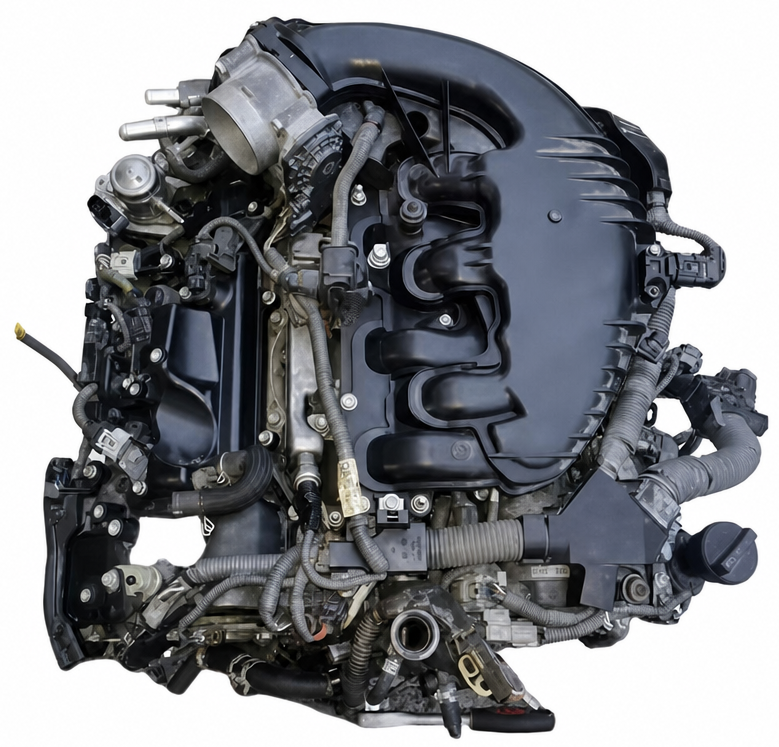
At its core, the 8GR-FKS features a lightweight aluminum alloy cylinder block and cylinder heads, optimizing weight distribution and heat dissipation. It utilizes a Dual Overhead Camshaft (DOHC) valvetrain with four valves per cylinder, incorporating advanced variable valve timing technologies. Specifically, it employs Dual VVT-i on the intake camshafts and VVT-iW (Variable Valve Timing intelligent-Wide) on the exhaust camshafts. This sophisticated system allows the engine to seamlessly switch between the conventional Otto cycle and the more fuel-efficient Atkinson cycle, depending on driving conditions. Fuel delivery is handled by Toyota’s D-4S direct and port fuel injection system, which mitigates common direct injection issues like carbon buildup on intake valves by periodically utilizing port injectors while still benefiting from the power and efficiency gains of direct injection.
This engine variant was primarily deployed across Lexus’s premium sedan and coupe lineup. Notable applications include the Lexus GS 350, where it was featured from 2016 to 2020. It has also powered the Lexus IS 350, from 2018 to the present day, and the Lexus RC 350, starting from 2018. Additionally, the 8GR-FKS is found in the Lexus LS 350 in specific international markets, showcasing its versatility and suitability for a range of luxury segments requiring both power and refinement.
Technical Specifications
| Specification | Value |
|---|---|
| Displacement (cc) | 3456 |
| Max Power (hp (kW) @ RPM) | 311 hp (232 kW) @ 6600 RPM |
| Max Torque (Nm (kg*m) @ RPM) | 380 Nm (38.7 kg*m) @ 4800 RPM |
| Fuel Type | Premium Unleaded (91+ RON) |
| Fuel Consumption (l/100 km) | 9.5 – 10.5 (Combined, Varies by Vehicle/Drivetrain) |
| Engine Type | V6, Naturally Aspirated |
| Compression Ratio | 11.8:1 – 13.0:1 (Varies by application) |
| Cylinder Bore (mm) | 94.0 |
| Piston Stroke (mm) | 83.0 |
| Valvetrain | DOHC, 4 Valves per Cylinder, Dual VVT-i / VVT-iW |
| Valves per Cylinder | 4 |
| Additional Info | Aluminum Block & Heads, D-4S Fuel Injection (Direct + Port) |
Common Problems & Reliability
The Lexus 8GR-FKS engine is widely regarded as a highly reliable and durable powerplant, benefiting from Toyota’s extensive engineering experience. Common mechanical weak points are generally few and far between. While the D-4S system effectively minimizes carbon buildup on intake valves, a typical concern for direct injection engines, prolonged short-trip driving or infrequent high-RPM operation over very high mileage could still lead to some accumulation, potentially affecting engine smoothness or efficiency over time. This is less pronounced than in pure direct injection systems due to the port injection cycle.
At advanced mileage, typical wear items include potential degradation of VVT-i actuators or solenoids, which might manifest as occasional rough idle or check engine lights, though this is not a widespread flaw. Minor oil weeping from valve covers or the timing cover gasket can also occur after significant mileage (e.g., beyond 150,000 miles or 240,000 km), a common occurrence in many aging engines. Overall, with diligent maintenance, the 8GR-FKS engine is designed for an impressive service life, often exceeding 250,000 miles (400,000 km) before requiring any major overhaul.
Maintenance Tips & Service Schedule
Optimal longevity and performance from the 8GR-FKS engine are achieved through adherence to a consistent and prescribed maintenance schedule. Regular engine oil changes are paramount; it is recommended to use a high-quality synthetic 0W-20 engine oil every 10,000 miles (16,000 km) or 12 months, whichever comes first. Utilizing a reputable oil filter is also crucial. Periodic inspection of fluid levels and general engine condition helps identify potential issues early.
Spark plugs, typically iridium-tipped, should be replaced approximately every 60,000 to 80,000 miles (100,000 to 130,000 km) to maintain optimal ignition efficiency. The timing chain system in the 8GR-FKS is designed for the life of the engine and generally does not require routine replacement, only inspection during major service intervals. The Super Long Life Coolant typically requires an initial replacement at 100,000 miles (160,000 km) or 10 years, followed by subsequent changes every 50,000 miles (80,000 km) or 5 years. Furthermore, incorporating a high-quality fuel system cleaner into the fuel tank periodically can help maintain the efficiency of the D-4S fuel injectors, particularly if the vehicle is primarily used for short commutes.
Conclusion
The Lexus 8GR-FKS engine stands out as a highly desirable powertrain option for those considering a used Lexus vehicle. Its robust engineering, combined with advanced technologies like D-4S fuel injection and Dual VVT-iW, results in a sophisticated blend of performance, efficiency, and exceptional refinement. The engine’s reputation for high reliability and remarkable longevity makes it a safe and trustworthy choice for buyers seeking a premium driving experience without significant long-term mechanical concerns. Provided the vehicle has a documented history of consistent and proper maintenance, the 8GR-FKS engine is expected to deliver many years and miles of trouble-free operation, representing a sound investment in the luxury used car market.