
Overview & Design Features
The Lexus 2AD-FTV is a 2.2-liter (2231 cc) inline four-cylinder, 16-valve common rail direct injection diesel engine developed by Toyota Motor Corporation. Part of the AD engine family, it was primarily designed for the European market where diesel powertrains held significant market share. This engine series represented Toyota’s commitment to competitive diesel performance and fuel efficiency in its mid-size and compact premium offerings, particularly within the Lexus brand. Known for its robust torque delivery and respectable power output, the 2AD-FTV provided a balance of daily usability and economic operation.
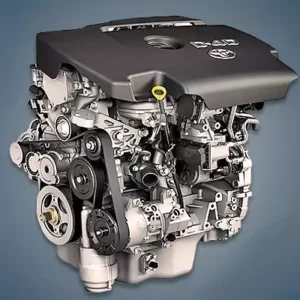
Constructed with an aluminum alloy cylinder block and head, the 2AD-FTV features a double overhead camshaft (DOHC) valvetrain, actuating four valves per cylinder for optimal airflow. Fuel delivery is managed by a Denso common rail direct injection system, providing precise fuel atomization and combustion control. Exhaust gas recirculation (EGR) and a variable geometry turbocharger (VGT) are integral components, enhancing performance across the RPM range while also addressing emissions regulations. The engine’s design aimed for a compact and lightweight package, contributing to improved vehicle dynamics and fuel economy.
Within the Lexus lineup, the 2AD-FTV engine was most notably deployed in the Lexus IS 200d sedan, produced from 2010 to 2012. It also found applications in various Toyota models such as the Avensis, RAV4, Auris, Corolla Verso, and Verso across different markets, often in varying states of tune. For the Lexus IS 200d, the 2AD-FTV was calibrated to deliver a balanced blend of power and efficiency suitable for the premium compact executive segment.
Technical Specifications
| Displacement (cc) | 2231 |
| Max Power (hp (kW) @ RPM) | 148 (110) @ 3600 |
| Max Torque (Nm (kg*m) @ RPM) | 340 (34.7) @ 2000-2800 |
| Fuel Type | Diesel |
| Fuel Consumption (l/100 km) | 5.5 – 6.5 (Combined Cycle, vehicle dependent) |
| Engine Type | Inline 4-cylinder, DOHC, 16-valve, Common Rail Direct Injection, Turbocharged |
| Compression Ratio | 15.7:1 |
| Cylinder Bore (mm) | 86.0 |
| Piston Stroke (mm) | 96.0 |
| Valvetrain | DOHC, Chain-driven |
| Valves per Cylinder | 4 |
| Additional Info | Variable Geometry Turbocharger (VGT), Diesel Particulate Filter (DPF), Exhaust Gas Recirculation (EGR) |
Common Problems & Reliability
The Lexus 2AD-FTV, while offering competitive performance, has several well-documented issues that impact its overall reliability. A significant concern across the AD series of engines is the susceptibility to head gasket failure. This often manifests as coolant loss, overheating, and white smoke from the exhaust. The issue is frequently attributed to localized corrosion or erosion around the cylinder liners within the aluminum block, leading to eventual head gasket breach. Repair typically involves a costly engine disassembly, block machining, and new gasket installation, or in severe cases, engine replacement.
Another common problem involves the Diesel Particulate Filter (DPF) and Exhaust Gas Recirculation (EGR) system. The DPF, crucial for emissions control, can become clogged, particularly in vehicles primarily used for short journeys or city driving where sufficient regeneration cycles cannot be completed. This leads to reduced engine power, increased fuel consumption, and warning lights. Similarly, the EGR valve and cooler are prone to carbon buildup, restricting exhaust gas flow and potentially causing engine performance issues. Regular DPF regeneration and occasional EGR system cleaning are often necessary to mitigate these problems.
Furthermore, issues with the Denso common rail fuel injectors can arise, leading to poor fuel atomization, uneven idling, misfires, or excessive smoke. These injectors, operating under high pressure, are sensitive to fuel quality and age. While not as universally prevalent as the head gasket problem, injector failures can contribute to increased running costs. Under diligent maintenance and avoiding the common pitfalls, a realistic expected service life before requiring major overhauls (excluding the head gasket issue) is approximately 180,000 to 220,000 kilometers. However, the head gasket vulnerability can considerably shorten this.
Maintenance Tips & Service Schedule
Proper and timely maintenance is critical for prolonging the life and reliability of the Lexus 2AD-FTV engine. Adherence to a strict service schedule can help mitigate some of its known vulnerabilities.
- Engine Oil: The use of high-quality, synthetic low-SAPS (Sulphated Ash, Phosphorus, Sulphur) diesel engine oil is paramount for DPF longevity and overall engine health. An oil specified to ACEA C2 or C3, typically 0W-30 or 5W-30 viscosity, is recommended. Oil and filter changes should be performed every 10,000 to 15,000 kilometers or annually, whichever comes first.
- Fuel Filter: To protect the sensitive common rail injectors, replace the diesel fuel filter every 20,000 to 30,000 kilometers. This prevents contaminants from damaging the high-pressure fuel system.
- Air Filter: The engine air filter should be inspected regularly and replaced annually or every 30,000 kilometers, ensuring optimal air intake and combustion efficiency.
- Coolant System: Given the head gasket issues, maintaining the cooling system is crucial. The coolant should be flushed and replaced with the manufacturer-specified long-life coolant every 5 years or 100,000 kilometers. Regular checks for coolant level and leaks are also vital.
- DPF and EGR Maintenance: To prevent DPF clogging, regular highway driving is advised to facilitate automatic regeneration cycles. If primarily used for short trips, consider occasional longer drives. Proactive cleaning of the EGR valve and cooler at service intervals (e.g., every 60,000 km) can prevent significant carbon buildup.
- Timing Chain: The 2AD-FTV utilizes a timing chain, which is generally designed for the life of the engine. However, inspection for excessive noise or stretch at higher mileages (e.g., beyond 200,000 km) is prudent.
Conclusion
The Lexus 2AD-FTV engine offers a compelling blend of torque and fuel efficiency for the compact premium segment, making it an attractive option for buyers prioritizing running costs and performance in a diesel vehicle. However, its reliability record is notably tempered by the recurring issue of head gasket failure, which can lead to significant repair expenses. For a used vehicle buyer, careful consideration and thorough pre-purchase inspection are essential. A service history demonstrating strict adherence to maintenance schedules, particularly regarding coolant changes and DPF/EGR care, is highly advisable. While capable, the 2AD-FTV is not considered a universally safe or reliable choice without these crucial caveats, making it a potentially higher-risk option compared to some of its counterparts, necessitating a well-informed decision.