
Overview & Design Features
The Infiniti VG30E is a naturally aspirated, 3.0-liter (2960cc) SOHC V6 engine produced by Nissan, a prominent member of the venerable VG engine family. This robust powerplant gained widespread recognition for its reliability, smooth operation, and moderate power output, serving as a workhorse across various Nissan and Infiniti models during the late 1980s and 1990s. Its historical significance lies in its fundamental role in establishing Infiniti’s early luxury vehicle lineup and powering popular Nissan platforms, earning a reputation for durability.
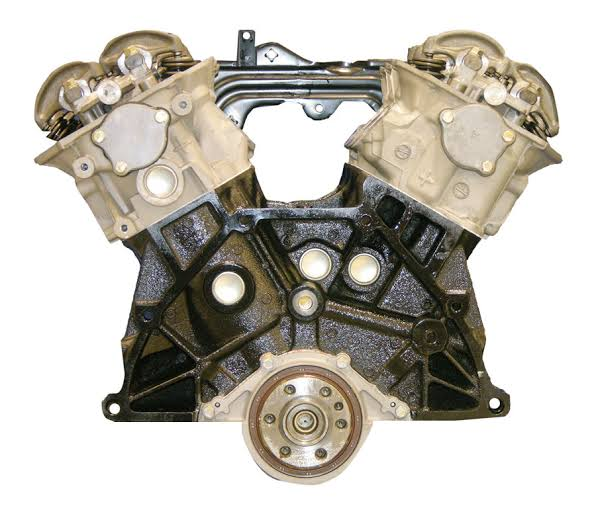
Engineered for longevity and straightforward maintenance, the VG30E features a rugged cast-iron cylinder block, which provides exceptional structural rigidity and heat dissipation. The cylinder heads are constructed from aluminum, contributing to reduced weight and improved thermal management. Fuel delivery is managed by a multi-point electronic fuel injection (MPFI) system, ensuring precise fuel metering and efficient combustion. The valvetrain consists of a single overhead camshaft (SOHC) configuration per cylinder bank, actuating two valves per cylinder, a design known for its simplicity and reliability rather than peak performance or advanced variable valve timing technologies.
This specific VG30E engine variant was notably deployed in several key models. Within the Infiniti brand, it powered the Infiniti M30 coupe and convertible from 1990 to 1992. Nissan applications included the non-turbocharged versions of the Nissan 300ZX (Z31) from 1984 to 1989, certain generations of the Nissan Maxima (primarily the GXE and SE trims), the Nissan Pathfinder, and the Nissan D21 Hardbody Pickup. Its broad application underscores its versatility and dependability across diverse vehicle segments.
Technical Specifications
| Displacement | 2960 cc (3.0 L) |
| Max Power | 162 hp (121 kW) @ 5200 RPM (Infiniti M30 specific) |
| Max Torque | 247 Nm (25.2 kg*m) @ 3600 RPM (Infiniti M30 specific) |
| Fuel Type | Unleaded Gasoline (Recommended RON 91/95) |
| Fuel Consumption | Approx. 11-13 L/100 km (combined, application-dependent) |
| Engine Type | V6, Naturally Aspirated |
| Compression Ratio | 9.0:1 |
| Cylinder Bore | 87 mm |
| Piston Stroke | 83 mm |
| Valvetrain | SOHC (Single Overhead Camshaft) |
| Valves per Cylinder | 2 (Total 12 valves) |
| Additional Info | Cast Iron Block, Aluminum Heads, Multi-Point Fuel Injection |
Common Problems & Reliability
The VG30E engine is renowned for its reliability, but like any powerplant of its age, it exhibits a few predictable issues. A common concern involves oil leaks, particularly from aging valve cover gaskets, oil pan gaskets, and the rear main seal. These leaks, while typically not catastrophic, can lead to oil consumption and messy engine bays if neglected. Another frequent problem is the degradation of the distributor unit, which can manifest as intermittent misfires, rough idling, or complete ignition failure as the internal components wear out.
While not a direct mechanical failure, the engine’s timing belt is a critical maintenance item. Neglecting its scheduled replacement can lead to catastrophic engine damage due to the engine’s interference design. Additionally, some high-mileage examples may develop a persistent hydraulic lifter tick, often exacerbated by infrequent oil changes or the use of incorrect oil viscosity. With proper and consistent maintenance, including timely fluid changes and timing belt replacements, the VG30E engine can reliably achieve service lives exceeding 250,000 to 350,000 miles (400,000 to 560,000 km) before requiring a major overhaul.
Maintenance Tips & Service Schedule
To ensure the longevity and optimal performance of the VG30E, adherence to a rigorous maintenance schedule is paramount.
- Engine Oil and Filter: Replacement is recommended every 5,000 km (3,000 miles) or every 6 months, whichever comes first. Use a high-quality motor oil with a viscosity of 5W-30 or 10W-30, depending on ambient climate conditions and engine wear.
- Spark Plugs: Replacement is advised every 45,000-60,000 km (30,000-40,000 miles). Use manufacturer-specified platinum or iridium plugs for optimal ignition.
- Timing Belt: This is a critical service item. The timing belt, along with the water pump, tensioner, and idler pulleys, must be replaced every 90,000-105,000 km (60,000-70,000 miles) or every 7 years, whichever occurs first. Failure to do so risks severe engine damage.
- Coolant Flush: The cooling system should be flushed and refilled with new coolant every 2 years or 45,000 km (30,000 miles) to prevent corrosion and maintain cooling efficiency.
- Fuel Filter: Replacement every 30,000 km (20,000 miles) is recommended to maintain proper fuel delivery and protect fuel injectors.
- Air Filter: Inspect and replace the air filter every 15,000-30,000 km (10,000-20,000 miles) depending on driving conditions.
- Valve Cover Gaskets: Regularly inspect for signs of oil leaks around the valve covers and replace gaskets as necessary to prevent oil loss and maintain engine cleanliness.
Conclusion
The Infiniti VG30E engine stands as a testament to Nissan’s engineering prowess for building reliable, durable powerplants. Its straightforward SOHC 12-valve design and robust construction contribute to its impressive longevity and ease of service. For a used vehicle buyer, a car equipped with a VG30E engine can be considered a safe and reliable choice, provided there is a verifiable history of diligent maintenance, especially regarding the critical timing belt replacement. Its modest power output is balanced by strong low-end torque and a generally smooth operational character, making it a dependable option for enthusiasts seeking a classic, mechanically sound vehicle.