What Does Code P0468 Mean?
The diagnostic trouble code P0468 signifies a “Purge Flow Sensor Circuit High Input.” This code is set by the Engine Control Module (ECM) or Powertrain Control Module (PCM) when it detects a voltage signal from the EVAP (Evaporative Emission Control System) purge flow sensor that is consistently above the manufacturer’s specified operating range. The EVAP system is designed to capture fuel vapors from the fuel tank and store them in a charcoal canister, then periodically purge these vapors into the engine intake manifold to be burned during combustion. The purge flow sensor, often integrated into or co-located with the EVAP purge valve, is responsible for providing feedback to the ECM/PCM regarding the volume or presence of fuel vapor flow during the purge cycle. A “high input” typically indicates an electrical fault within the sensor’s circuit, suggesting either an open circuit condition where the signal wire is floating high, a short to a voltage source (e.g., 5V reference or battery voltage), or an internal failure of the sensor itself causing it to output an erroneously high voltage. The ECM/PCM monitors this voltage to ensure the EVAP system is functioning correctly and efficiently, and when out-of-range high voltage is detected, P0468 is stored.
Common Symptoms
- Malfunction Indicator Lamp (MIL) Illumination: The “Check Engine” light will illuminate on the dashboard. This is often the primary and only noticeable symptom.
- Difficulty Passing Emissions Testing: An active EVAP system fault will prevent the vehicle from passing state emissions inspections.
- Slight Decrease in Fuel Economy: While not a direct or severe symptom of a circuit fault, an improperly functioning EVAP system due to the underlying electrical issue could subtly impact fuel efficiency over time.
- Rough Idle or Poor Engine Performance: Less common for a circuit high input but possible if the purge valve’s operation is indirectly affected, leading to incorrect fuel vapor introduction.
What Causes the Code P0468?
- Faulty EVAP Purge Flow Sensor: The sensor itself may have failed internally, causing it to output a consistently high voltage signal or become electrically open.
- Open Circuit or Short to Voltage in the Purge Flow Sensor Wiring Harness: Damage to the wiring, such as chafing, corrosion, or a break, can lead to the signal wire being open or shorted to a power source, resulting in a high voltage reading.
- Corroded or Loose Electrical Connections: Poor electrical contact at the purge flow sensor connector or at the ECM/PCM connector can disrupt the circuit integrity, leading to an erratic or consistently high signal.
- Faulty Engine Control Module (ECM/PCM): Although less common, an internal fault within the ECM/PCM’s sensor input circuit could cause it to misinterpret the signal or output an incorrect reference voltage, triggering the code.
How to Diagnose and Troubleshoot
Diagnosing P0468 requires a systematic approach, focusing on electrical circuit integrity and sensor functionality:
- Visual Inspection: Begin by visually inspecting the EVAP purge valve assembly, the integrated purge flow sensor (if separate), and the entire wiring harness leading to it. Look for any signs of physical damage, corrosion, melted wires, or loose connections. Pay close attention to areas where the harness might rub against engine components or sharp edges.
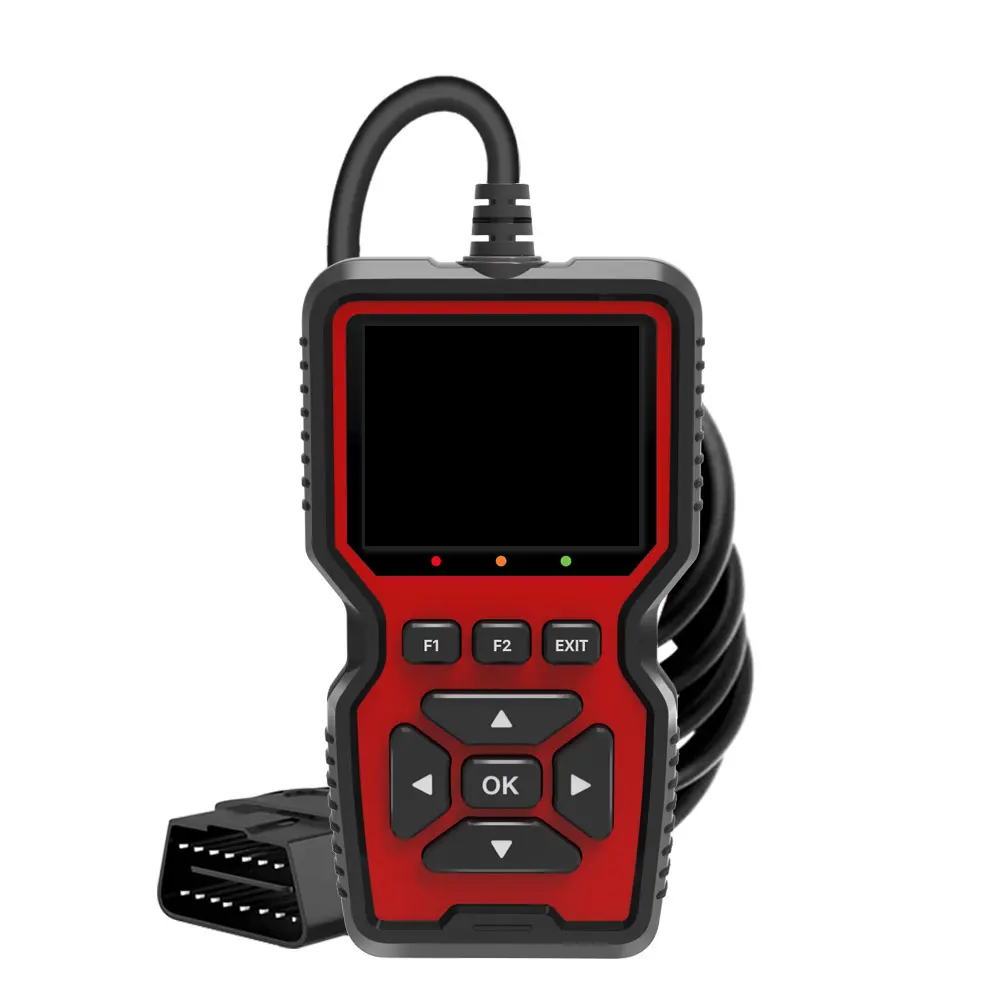
- OBD-II Scanner Live Data Analysis: Connect an advanced OBD-II scan tool and monitor live data parameters related to the EVAP system. Specifically look for the “EVAP Purge Flow Sensor” voltage or a similar parameter. A “high input” condition will often manifest as a constant voltage reading (e.g., 5V or battery voltage, depending on the system’s design) that does not fluctuate as expected, even when the purge valve is commanded open or closed.
- Digital Multimeter (DMM) Testing at the Sensor Connector:
- With the ignition OFF, disconnect the electrical connector from the EVAP purge flow sensor.
- With the ignition ON (engine OFF), use a DMM to measure voltage at the connector terminals. Identify the reference voltage (typically 5V), ground, and signal wire. Verify the reference voltage is present and within specification.
- Measure the voltage on the signal wire terminal (harness side, disconnected from sensor). If it shows high voltage (e.g., 5V or battery voltage) with the sensor disconnected, this indicates a short to voltage in the wiring harness between the connector and the ECM/PCM.
- Check for continuity between the signal wire terminal (harness side) and chassis ground. There should be no continuity or very high resistance. If continuity to ground is present, there is a short to ground in the wiring.
- DMM Testing at the Purge Flow Sensor (Component Side):
- If the wiring harness tests good, focus on the sensor itself. Consult service information for specific resistance values or voltage output specifications for your vehicle’s purge flow sensor.
- If applicable, measure the resistance across the sensor’s terminals to check for internal opens or shorts.
- If the sensor is designed to be back-probed while connected, carefully back-probe the signal wire with the ignition ON (engine OFF) and monitor its voltage. Compare this reading to the expected values (e.g., often a low voltage at rest, rising with flow). A continuously high voltage output from the sensor suggests an internal fault.
- ECM/PCM Input Verification: As a final step, if all sensor and wiring tests are inconclusive, back-probe the corresponding signal wire at the ECM/PCM connector. If the signal is normal at the sensor connector but high at the ECM/PCM, there’s an issue with the wiring in between. If the signal is high at both points and all preceding tests indicated no external fault, a faulty ECM/PCM might be the culprit, though this is rare.
Recommended Repairs and Solutions
Once the diagnosis points to a specific cause, the following repairs are typically recommended:
- Repair or Replace Damaged Wiring/Connectors: If visual inspection or DMM testing reveals damaged, chafed, or corroded wiring or connectors, repair them using appropriate automotive-grade soldering and heat-shrinking techniques. Replace entire sections of harness if damage is extensive. Ensure all connections are clean, tight, and free from corrosion.
- Replace the EVAP Purge Flow Sensor: If the sensor itself is determined to be faulty, replacing it will resolve the issue. In many vehicle applications, the purge flow sensor is an integral part of the EVAP purge valve assembly, meaning the entire valve unit will need to be replaced. Ensure the replacement part is an OEM equivalent or meets strict OEM specifications to guarantee proper system function.
- ECM/PCM Replacement (Rare): In the unlikely event that the ECM/PCM is diagnosed as faulty, it will need to be replaced. This typically requires programming or flashing the new module to the vehicle’s specific VIN and options, which should be performed by a qualified technician with specialized equipment.
Important Mechanics’ Tip: After any repair, always clear the DTCs using an OBD-II scanner. Then, perform a comprehensive drive cycle that allows the ECM/PCM to run and complete all EVAP system readiness monitors. Verify that the purge flow sensor’s live data readings are now within expected operational ranges and that the P0468 code does not return. Additionally, check for any other pending or historical EVAP codes that might indicate secondary issues.