What Does Code P0578 Mean?
The OBD-II diagnostic trouble code P0578 signifies a “Cruise Control Related Malfunction” within the vehicle’s Powertrain Control Module (PCM) or Engine Control Module (ECM) monitoring system. This code is typically set when the PCM detects an electrical signal anomaly in the cruise control system’s input circuit that does not correspond to a specific switch stuck condition (e.g., P0579 for a stuck ‘Set’ switch or P0580 for a stuck ‘Resume’ switch), nor a general circuit open or short (like P0579/P0580 often imply an open/short specific to ‘Set’/’Resume’). Instead, P0578 indicates a more generalized or ambiguous fault within the circuit, suggesting an unexpected voltage or resistance value that is out of the predefined operational range but doesn’t clearly map to a single, identifiable switch error. The PCM continuously monitors the electrical signals from various cruise control switches (e.g., master ON/OFF, Set, Resume, Coast, Cancel) which often operate by varying resistance to produce distinct voltage signals. A P0578 implies that the composite signal from these inputs is illogical, potentially indicating an internal fault within the switch assembly, an intermittent wiring issue, or a problem where multiple inputs are ambiguously active. This subsystem directly impacts the vehicle’s ability to engage and maintain cruise control.
Common Symptoms
- Cruise Control Inoperative: The primary symptom is the inability to activate or maintain the cruise control system.
- Malfunction Indicator Lamp (MIL) Illumination: The “Check Engine” light will illuminate on the dashboard, indicating a detected powertrain fault.
- No Cruise Control Indicator Light: The dedicated dashboard indicator light for cruise control activation may not illuminate when attempts are made to engage the system.
- Intermittent Cruise Control Functionality: In some cases, the cruise control may sporadically engage or disengage if the electrical malfunction is intermittent.
What Causes the Code P0578?
- Faulty Cruise Control Switch Assembly: Internal mechanical wear, corrosion, or electrical failure within the multi-function switch (often integrated into the steering wheel or a stalk) can cause incorrect resistance values or intermittent signals.
- Damaged Wiring Harness or Connectors: Frayed wires, compromised insulation leading to shorts to ground or power, open circuits, or corrosion/poor terminal tension within the connectors linking the cruise control switches to the PCM.
- Defective Clock Spring: If the cruise control switches are located on the steering wheel, a faulty clock spring can disrupt electrical continuity to the PCM as the steering wheel is turned, leading to intermittent or complete signal loss.
- Internal Powertrain Control Module (PCM/ECM) Failure: While less common, a defective PCM/ECM unable to correctly interpret or process the cruise control input signals can trigger this code.
- Resistance Issues: Improperly rated aftermarket components or previous repair attempts introducing incorrect electrical resistance values into the cruise control circuit.
How to Diagnose and Troubleshoot
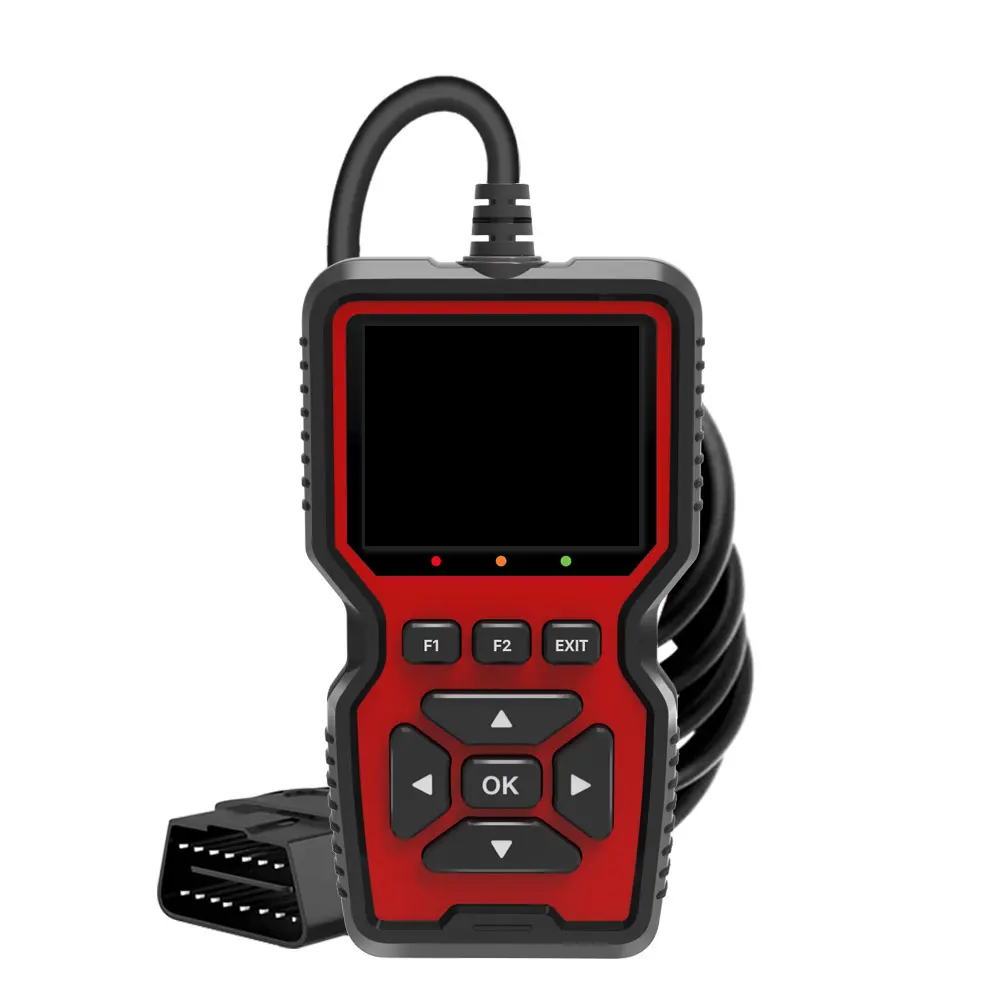
Diagnosis of P0578 requires a systematic approach, leveraging an OBD-II scanner and a Digital Multimeter (DMM):
- Retrieve and Analyze Diagnostic Trouble Codes (DTCs): Connect an OBD-II scan tool and verify P0578 is present. Check for any related or pending codes that might provide additional context. Record freeze frame data, as it captures engine conditions at the moment the fault was detected. Clear codes after initial recording.
- Perform a Thorough Visual Inspection: Carefully inspect all accessible wiring and electrical connectors associated with the cruise control system. This includes the wiring from the steering column (for steering wheel-mounted switches) to the PCM. Look for signs of chafing, cuts, pinches, corrosion (especially at connector terminals), or disconnected components. Examine the cruise control switch assembly itself for any visible damage, loose buttons, or signs of liquid ingress.
- Test Cruise Control Switch Functionality (Electrical):
- Resistance Test: Disconnect the cruise control switch assembly connector. Using a DMM set to ohms, test the resistance across the relevant pins for each cruise control switch function (ON, OFF, Set, Resume, Coast, Cancel). Consult the vehicle’s specific wiring diagram and service manual for the expected resistance values for each switch state. Compare your DMM readings to these specifications. An “OL” (Open Line) reading when a switch should be closed, or a resistance value significantly outside the specified range, indicates a faulty switch.
- Voltage Drop Test: If resistance testing is inconclusive or difficult due to complex switch design, and only if safe to do so per manufacturer instructions, perform a voltage drop test. With the system powered, measure the voltage signal returning to the PCM while activating each switch. Anomalous voltage readings (e.g., too high, too low, or no change when a switch is pressed) suggest an issue with the switch or its immediate wiring.
- Verify Wiring Harness Integrity:
- Continuity Test: Disconnect both ends of the wiring harness segment (e.g., between the cruise control switch and the PCM). Use the DMM in continuity mode (or ohms) to check for open circuits. A reading near 0 ohms indicates good continuity; an “OL” reading indicates an open circuit.
- Short to Ground/Power Test: With the harness disconnected from both components, check for shorts to chassis ground by placing one DMM lead on each wire terminal in the harness and the other lead on a known good chassis ground. Any low resistance reading indicates a short. Similarly, check for shorts to battery voltage (B+) by testing against a fused B+ source (with the battery connected for this specific test, if safe).
- Inspect and Test Clock Spring (if applicable): If the cruise control switches are located on the steering wheel, the clock spring is a critical component. With the battery safely disconnected and airbag system deactivated/removed according to manufacturer guidelines, perform continuity tests on the clock spring circuits that carry the cruise control signals. Rotate the steering wheel through its full range of motion while monitoring continuity to detect any intermittent breaks in the circuit.
- Advanced Scan Tool Live Data Monitoring: Utilize a professional scan tool with live data capabilities. Monitor the PCM’s interpretation of the cruise control switch inputs (e.g., “Cruise Control Set Switch Status,” “Cruise Control Resume Switch Status”). Activate each cruise control button and observe if the PCM registers the correct input status change on the scan tool. If the switches and wiring test correctly but the PCM still doesn’t show the correct input, it might indicate an internal PCM fault.
Recommended Repairs and Solutions
Based on diagnostic findings, the following repairs and solutions are commonly effective for code P0578:
- Replace Faulty Cruise Control Switch Assembly: This is frequently the culprit. If resistance or voltage tests confirm internal failure of the switches, replacing the entire cruise control switch assembly (often a multi-function unit) is the most direct solution. Ensure the replacement part is OEM quality or a reputable aftermarket equivalent.
- Repair or Replace Damaged Wiring and Connectors: If the visual inspection or continuity tests reveal damaged wiring (chafing, cuts, shorts) or corroded/bent connector terminals, perform precise electrical repairs. Use appropriate gauge wiring, solder connections (where applicable), insulate with heat-shrink tubing, and ensure secure, weather-sealed connections. For severely damaged connectors, replace the entire connector housing and terminals.
- Replace Defective Clock Spring: If the clock spring is identified as the cause, it must be replaced. This procedure often involves the safe removal of the steering wheel and airbag module. Always follow manufacturer-specific safety protocols when working with airbags.
- PCM/ECM Replacement or Reprogramming: Only after thoroughly ruling out all other potential causes (switches, wiring, clock spring) should PCM/ECM failure be considered. If diagnosed as faulty, the PCM may need to be replaced and subsequently reprogrammed to the vehicle’s specific VIN and options. This typically requires specialized diagnostic equipment and expertise.
- Clear DTCs and Test Drive: After performing any repairs, use an OBD-II scanner to clear the P0578 code and any related codes. Conduct an extended test drive under various conditions, including attempting to engage and disengage the cruise control multiple times, to confirm the repair has resolved the issue and the MIL does not re-illuminate.