What Does Code P0761 Mean?
The OBD-II diagnostic trouble code P0761 signifies a Shift Solenoid C Performance or Stuck Off condition within the automatic transmission system. This code is generated by the Powertrain Control Module (PCM), or Transmission Control Module (TCM) in some architectures, when it detects an abnormality in the operation or electrical circuit of Shift Solenoid C. Shift solenoids are electro-hydraulic valves that the PCM/TCM utilizes to control the flow of transmission fluid to specific clutch packs and bands, thereby engaging various gear ratios. Solenoid C typically controls a specific hydraulic circuit responsible for a particular gear or range of gears, varying by manufacturer and transmission model.
The PCM monitors the electrical characteristics of Shift Solenoid C (resistance, voltage, current) and often, more importantly, the hydraulic response by comparing the commanded gear ratio with the actual gear ratio derived from input and output shaft speed sensors. When the PCM commands Shift Solenoid C to activate or deactivate, it expects a corresponding change in hydraulic pressure and a subsequent shift in gear ratio. If the PCM detects that Solenoid C is not performing as expected (e.g., incorrect hydraulic engagement, delayed response, or a complete lack of response indicating it’s stuck in the ‘off’ position), or if its electrical circuit parameters are out of specification (e.g., an open circuit), P0761 is set. This indicates a failure in the solenoid’s ability to properly control fluid flow, directly impacting transmission shifting functionality and potentially leading to undesirable driving characteristics.
Common Symptoms
- Check Engine Light (CEL) Illumination: The most immediate and common indicator.
- Delayed or Harsh Shifting: The transmission may exhibit noticeable delays or abruptness when shifting gears, particularly into or out of the gear range affected by Solenoid C.
- Transmission Slipping: A feeling that the engine is revving but the vehicle is not accelerating proportionally, indicating a loss of power transfer.
- Inability to Engage Specific Gears: Certain gears may become unavailable, often affecting forward gears related to Solenoid C’s function.
- Transmission Entering Limp Mode: The PCM may command the transmission into a default ‘limp-home’ mode to prevent further damage, typically limiting available gears (e.g., 2nd or 3rd gear only).
- Increased Fuel Consumption: Inconsistent shifting or operating in an incorrect gear can lead to reduced fuel efficiency.
- Overheating Transmission: Constant slipping or improper engagement can generate excessive heat within the transmission, potentially leading to additional damage.
What Causes the Code P0761?
- Faulty Shift Solenoid C: This is the most prevalent cause. The solenoid may have an internal electrical open circuit, a short circuit, or a mechanical failure causing it to stick in the ‘off’ position or fail to actuate properly due to internal debris or wear.
- Low Transmission Fluid Level: Insufficient fluid can lead to inadequate hydraulic pressure for solenoid operation and proper gear engagement.
- Contaminated or Degraded Transmission Fluid: Old, dirty, or incorrect fluid can cause solenoids to stick, reduce lubrication, and interfere with proper hydraulic function. Debris in the fluid can also clog solenoid screens or valve body passages.
- Clogged Transmission Fluid Filter: A restricted filter can starve the transmission pump of fluid, leading to low overall hydraulic pressure, which indirectly affects solenoid performance.
- Wiring Harness Issues: An open circuit, short circuit to ground or voltage, or high resistance in the wiring connecting Shift Solenoid C to the PCM/TCM. This includes damaged wires, corroded terminals, or loose connectors.
- Faulty Transmission Valve Body: While Solenoid C itself may test good electrically, mechanical issues within the valve body (e.g., a stuck valve, worn bore) could prevent the hydraulic response commanded by the solenoid from occurring.
- Internal Transmission Mechanical Failure: Worn clutch packs, bands, or other internal components that prevent proper gear engagement despite correct solenoid operation.
- Faulty PCM/TCM: Less common, but a malfunctioning control module could incorrectly command the solenoid or misinterpret sensor readings, leading to the code being set erroneously.
How to Diagnose and Troubleshoot
A systematic approach is crucial for accurately diagnosing P0761:
- Verify Code and Gather Data:
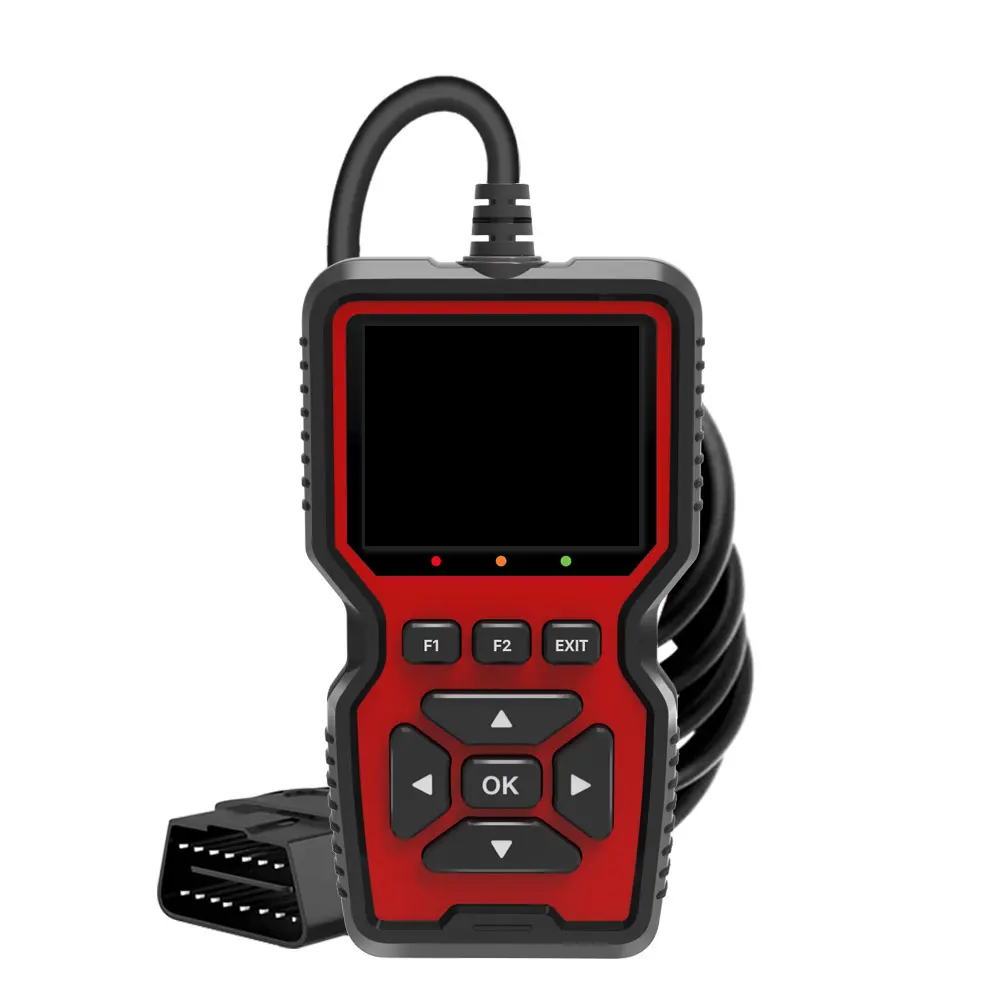
- Connect an OBD-II scan tool to confirm P0761 is present. Check for any other related transmission codes (e.g., P0700, other solenoid codes) that might provide additional context.
- Review freeze frame data to understand engine RPM, vehicle speed, load, and transmission parameters at the moment the code was set. This can help pinpoint driving conditions under which the fault occurs.
- Transmission Fluid Inspection:
- With the engine at operating temperature and the vehicle on level ground, check the transmission fluid level using the dipstick (if equipped) according to the manufacturer’s procedure. Top off if low.
- Inspect the fluid’s condition: note its color (should be reddish, not brown or black), smell (should not smell burnt), and look for any suspended metallic particles or debris, which could indicate internal mechanical wear.
- Visual Inspection of Wiring and Connectors:
- Locate the transmission wiring harness and the connector for Shift Solenoid C (often accessible after dropping the transmission pan, or sometimes externally on the transmission case).
- Thoroughly inspect the wiring for signs of chafing, pinching, cuts, or corrosion. Check connectors for bent pins, corrosion, or loose connections. Pay close attention to areas where the harness passes near hot exhaust components or sharp edges.
- Electrical Testing of Shift Solenoid C (using a Digital Multimeter – DMM):
- Disconnect the electrical connector from Shift Solenoid C.
- Using a DMM set to ohms, measure the resistance across the solenoid’s terminals. Compare this reading to manufacturer specifications (typically 10-30 ohms, but varies significantly). An open circuit (OL) or a resistance value significantly outside the specified range indicates a faulty solenoid.
- With the DMM set to ohms, check for continuity between each solenoid terminal and ground (transmission case). There should be no continuity; if there is, the solenoid is shorted internally to ground.
- Test the wiring harness for continuity and shorts:
- Disconnect the PCM/TCM connector.
- Measure continuity from the solenoid harness connector to the corresponding PCM/TCM pin. An open circuit indicates a break in the wire.
- Check for shorts to ground and shorts to power on the solenoid’s control circuit wires from the PCM/TCM connector.
- Live Data Monitoring (with advanced scan tool):
- If your scan tool supports it, monitor transmission solenoid commanded states and actual gear ratios while driving or cycling through gears in a controlled environment. Look for discrepancies between commanded and actual states.
- Some advanced scan tools allow for bidirectional control, enabling you to command Shift Solenoid C ON and OFF. Listen for an audible click from the solenoid and observe any changes in transmission behavior or pressure readings (if equipped).
- Hydraulic Pressure Testing (Advanced):
- For more complex diagnostics, a transmission pressure gauge can be connected to specific test ports on the transmission. Compare actual line pressures with manufacturer specifications during various gear selections and solenoid commands. This helps confirm if the solenoid is physically regulating fluid pressure correctly.
Recommended Repairs and Solutions
Based on the diagnostic findings, the following repairs are typically recommended:
- Replace Faulty Shift Solenoid C: If electrical testing confirms the solenoid is open, shorted, or has incorrect resistance, it must be replaced. This usually requires dropping the transmission pan and removing the valve body to gain access. Always use an OEM-specified replacement part for reliability.
- Transmission Fluid and Filter Service: If the fluid level was low or the fluid is contaminated/degraded, perform a complete transmission fluid and filter change using the manufacturer-specified fluid type. This often resolves minor sticking issues or poor hydraulic performance.
- Repair or Replace Damaged Wiring/Connectors: If the visual inspection or electrical tests reveal damage to the wiring harness or connectors leading to Shift Solenoid C, repair or replace the affected section. Ensure all connections are clean, tight, and free of corrosion.
- Valve Body Replacement/Reconditioning: If the solenoid tests good electrically, and fluid condition is optimal, but symptoms persist, the issue might be within the valve body itself (e.g., stuck valves, excessive wear in the bore where the solenoid operates). In such cases, replacing or reconditioning the valve body may be necessary.
- Address Internal Transmission Issues: If all external and solenoid-related diagnostics are inconclusive, and hydraulic pressure tests point to internal leakage or component failure, a transmission overhaul or replacement may be required.
- Clear Codes and Perform Adaptive Learning: After any repair, clear the DTCs with a scan tool. Many modern transmissions require an adaptive learning or relearn procedure to optimize shifting performance after component replacement or fluid service. Follow the manufacturer’s specific procedure, which may involve a specific driving cycle.