What Does Code P0780 Mean?
The OBD-II diagnostic trouble code P0780, often interpreted as “Shift Malfunction,” indicates that the Engine Control Module (ECM) or Powertrain Control Module (PCM) has detected an anomaly in the automatic transmission’s ability to execute a commanded gear shift correctly. Unlike codes that specify a particular gear ratio error (e.g., P0731 for gear 1 ratio incorrect), P0780 is a more general code signaling a failure of the transmission to complete a shift event as requested by the ECM/PCM. The module monitors various sensors, including input shaft speed (turbine speed sensor) and output shaft speed (vehicle speed sensor), to determine the current gear ratio. When a shift is commanded, the ECM/PCM expects a specific change in this ratio within a defined timeframe and under specific operating conditions (engine RPM, vehicle speed, throttle position, etc.). If the observed gear ratio does not transition correctly to the target ratio, or if the shift takes too long, or results in an unexpected slip, the P0780 code will be set. This indicates a problem within the automatic transmission’s hydraulic, electrical, or mechanical subsystems that prevents proper shift execution.
Common Symptoms
- Check Engine Light Illumination: The Malfunction Indicator Lamp (MIL) will be illuminated on the dashboard.
- Harsh or Abrupt Shifting: The transmission may engage gears with a noticeable jolt or slam.
- Delayed Engagement: There might be a significant delay when shifting from Park (P) or Neutral (N) to Drive (D) or Reverse (R).
- Inability to Shift Gears: The transmission may be stuck in a single gear (often 2nd or 3rd) or may not shift into higher gears.
- Transmission Slipping: The engine RPMs may increase without a corresponding increase in vehicle speed during acceleration, indicating the transmission is not fully engaging.
- Reduced Fuel Economy: Due to improper gear ratios or slipping, the engine may operate outside its optimal efficiency range.
- Limp Mode Activation: The vehicle may enter a “limp home” mode, limiting available gears and engine power to prevent further damage.
- Transmission Overheating: Excessive slipping can generate heat, potentially leading to an overheating warning or accelerated wear.
What Causes the Code P0780?
- Low or Contaminated Transmission Fluid: Insufficient fluid levels or degraded/burnt fluid can impair hydraulic pressure and lubrication, preventing proper clutch/band engagement.
- Faulty Shift Solenoids: One or more shift solenoids may be sticking, failing to open/close, or have electrical issues (open/short circuit), preventing the correct routing of hydraulic pressure for shifts.
- Damaged Valve Body: Internal wear, blockages, or stuck valves within the valve body can lead to incorrect hydraulic pressure distribution, affecting multiple shifts.
- Internal Transmission Mechanical Failure: Worn clutch packs, damaged bands, planetary gear set issues, or other internal component failures can prevent the transmission from achieving or holding the commanded gear ratio.
- Faulty Transmission Speed Sensors: Inaccurate readings from the input shaft speed sensor (turbine speed sensor) or output shaft speed sensor (vehicle speed sensor) can mislead the ECM/PCM about the actual gear ratio, causing incorrect shift commands or false detection of a malfunction.
- Wiring and Connector Issues: Damaged, corroded, or loose wiring/connectors leading to the transmission solenoids, sensors, or the main transmission harness can disrupt electrical signals.
- Torque Converter Clutch (TCC) Issues: While less direct, a malfunctioning TCC that fails to engage or disengage properly can sometimes be interpreted by the PCM as a shift malfunction.
- ECM/PCM Malfunction: Although rare, an internal fault within the ECM/PCM itself could lead to incorrect shift commands or misinterpretation of sensor data.
How to Diagnose and Troubleshoot
Diagnosing P0780 requires a systematic approach, combining visual inspection, diagnostic scanner analysis, and electrical testing:
- Initial Inspection and Fluid Check:
- Visually inspect the transmission for any external leaks, damaged wiring harnesses, or corroded connectors.
- Check the transmission fluid level while the vehicle is at operating temperature and on a level surface, following manufacturer-specific procedures (some require engine running, some off).
- Assess the fluid condition: Note its color (should be reddish, not dark brown or black), odor (burnt smell indicates overheating/friction material wear), and presence of metallic debris. A fluid flush or replacement may be necessary if it’s degraded.
- OBD-II Scan Tool Data Analysis:
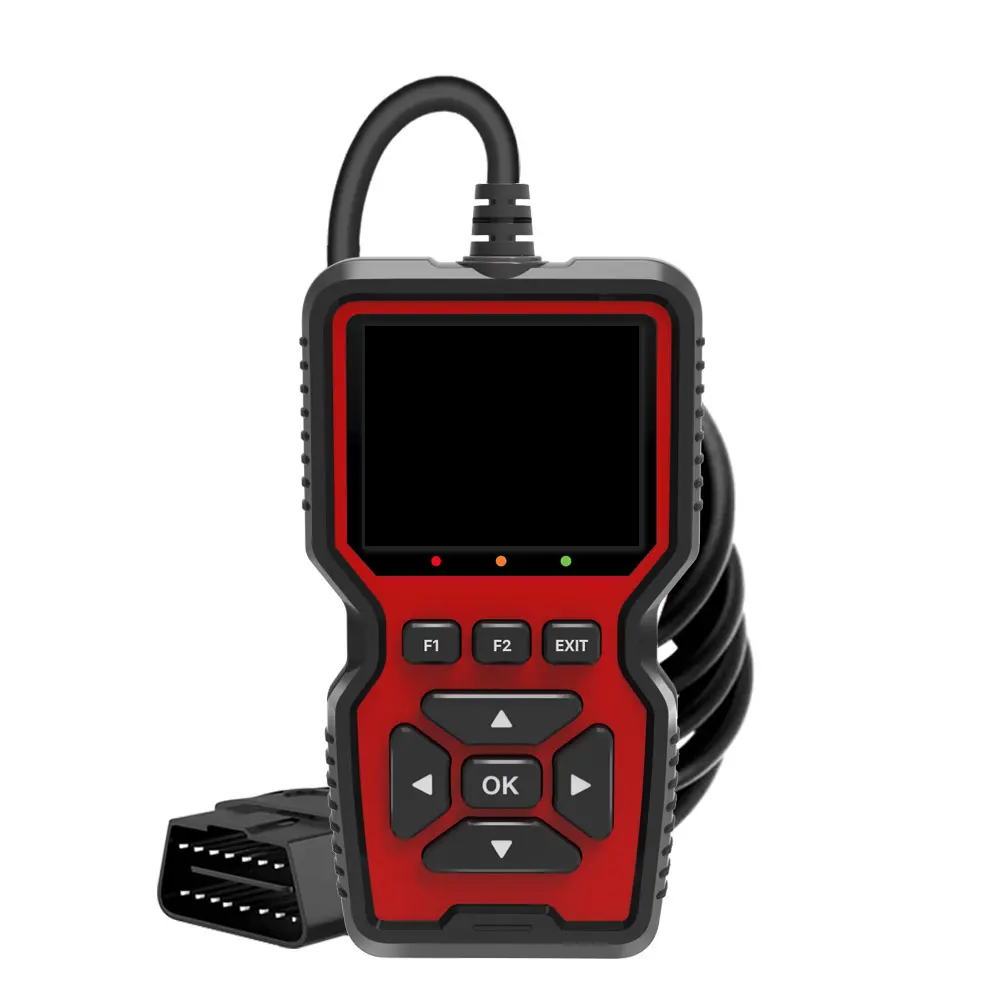
- Connect an advanced OBD-II scanner to retrieve all stored Diagnostic Trouble Codes (DTCs), including pending codes. Note any other transmission-related codes, as they may provide more specific clues.
- Review Freeze Frame Data to understand engine conditions (RPM, speed, load, etc.) at the moment the P0780 code was set.
- Monitor Live Data streams from the transmission. Pay close attention to:
- Transmission Fluid Temperature (TFT) Sensor readings.
- Input Shaft Speed (ISS) and Output Shaft Speed (OSS) Sensor readings during a road test. Compare these to determine actual gear ratios.
- Shift Solenoid states (commanded vs. actual) and commanded gear vs. actual gear.
- Throttle Position Sensor (TPS) readings and vehicle speed.
- Perform active tests (if supported by the scanner) such as commanding specific shifts or engaging/disengaging solenoids to observe changes.
- Wiring and Solenoid Electrical Testing:
- Disconnect the transmission harness connector (if accessible) and use a Digital Multimeter (DMM) to check for continuity and resistance of the shift solenoids (typically accessible through the transmission pan or main harness). Compare readings to factory specifications. An open circuit or significant deviation indicates a faulty solenoid.
- Check for shorts to ground or power in the solenoid circuits.
- Inspect the wiring harness for signs of chafing, corrosion, or damage, especially where it passes near hot engine components or sharp edges. Perform continuity checks from the PCM connector to the transmission connector for all relevant circuits.
- Road Test and Observational Diagnostics:
- With the scan tool still connected, perform a road test under varying conditions. Observe shift quality, shift points, and listen for unusual noises.
- Monitor ISS and OSS sensor readings closely. During a commanded shift, the ratio between ISS and OSS should change smoothly and quickly to the new expected ratio for that gear. Excessive slip or failure to achieve the target ratio will be evident.
- Hydraulic Pressure Test (Advanced):
- If internal hydraulic issues are suspected (e.g., after ruling out electrical faults), a professional transmission shop can perform line pressure and individual clutch apply pressure tests. This requires specialized gauges and knowledge of factory specifications to diagnose valve body or pump issues.
Recommended Repairs and Solutions
Once the root cause of P0780 has been accurately identified through thorough diagnosis, the following repairs or solutions are commonly recommended:
- Transmission Fluid Service: If the fluid is low or contaminated, perform a complete transmission fluid flush and filter replacement. Ensure the correct type and quantity of fluid is used according to the manufacturer’s specifications.
- Shift Solenoid Replacement: If electrical testing or live data indicates a faulty shift solenoid, replace the defective solenoid(s). This often involves dropping the transmission pan and accessing the valve body assembly.
- Valve Body Repair or Replacement: If diagnostic tests point to internal valve body issues (stuck valves, worn passages), the valve body may need to be repaired or replaced entirely. In some cases, a remanufactured valve body is a cost-effective solution.
- Transmission Speed Sensor Replacement: If either the input or output speed sensor is providing erratic or incorrect readings, replace the faulty sensor.
- Wiring Harness or Connector Repair: Repair any damaged or corroded wiring and connectors leading to the transmission components. Ensure secure and clean connections.
- Internal Transmission Mechanical Repair: In cases of severe slipping, delayed engagement, or complete lack of shifting due to worn clutch packs, damaged bands, or other hard part failures, a full transmission overhaul or replacement may be necessary. This is typically the most expensive repair and should only be considered after ruling out all external and hydraulic control issues.
- ECM/PCM Reprogramming or Replacement: If all other components test good and symptoms persist, and no other codes indicate a different issue, an ECM/PCM fault could be present. This would require factory-level diagnostic tools for reprogramming or replacement.
Mechanic’s Tips:
- Always start with the simplest and most common causes: fluid level and condition. A surprisingly high percentage of transmission issues stem from inadequate fluid maintenance.
- When replacing shift solenoids, it’s often prudent to replace all solenoids on a particular circuit or even the entire set if they are known to have similar service life or design flaws, especially given the labor involved to access them.
- After any transmission component replacement or major repair, it is crucial to clear all codes and perform a transmission relearn or adaptation procedure using a capable scan tool, if specified by the manufacturer. This allows the ECM/PCM to re-adapt its shift strategies to the new components.
- Regular transmission fluid and filter changes, as recommended by the vehicle manufacturer, are vital for preventing P0780 and extending the life of your automatic transmission.