What Does Code P0783 Mean?
DTC P0783 signifies a 3-4 Shift Malfunction within the automatic transmission system. This code is set by the Powertrain Control Module (PCM) or Transmission Control Module (TCM) when it detects that the commanded 3rd to 4th gear shift either failed to occur, occurred too slowly, or resulted in an incorrect gear ratio within a predefined time or tolerance window. The PCM/TCM monitors the rotational speeds of the input shaft speed sensor (ISS) and output shaft speed sensor (OSS) to precisely calculate the current gear ratio. When a 3-4 shift is commanded, the module expects a specific change in this gear ratio. If the actual gear ratio calculated from the ISS/OSS sensors does not align with the expected 4th gear ratio after the shift command, or if the transition takes an excessively long time, P0783 is triggered. This indicates a problem with the hydraulic, electrical, or mechanical components responsible for executing the 3rd to 4th gear engagement, affecting the transmission’s ability to achieve overdrive.
Common Symptoms
- Delayed or Harsh 3-4 Shift: The transmission may hesitate, lurch, or engage 4th gear with a noticeable jolt.
- Transmission Slipping: During the 3-4 shift, the engine RPM may flare momentarily without a corresponding increase in vehicle speed, indicating clutch pack slippage.
- Failure to Shift into 4th Gear: The vehicle may remain in 3rd gear, preventing it from reaching overdrive and typically resulting in higher engine RPM at highway speeds.
- Reduced Fuel Economy: Due to the transmission being unable to engage the more fuel-efficient 4th gear (overdrive).
- Check Engine Light (MIL) Illumination: The most common and immediate indicator of a detected fault.
- Transmission Operating in “Limp Mode”: The PCM/TCM may default to a safe operating strategy, limiting available gears (often 3rd or 2nd) to prevent further damage.
What Causes the Code P0783?
- Faulty 3-4 Shift Solenoid: A common cause, where the solenoid responsible for directing hydraulic pressure to engage 4th gear is either stuck (open or closed), has an internal electrical fault (open circuit, short), or weak spring return.
- Low or Contaminated Transmission Fluid: Insufficient fluid levels lead to inadequate hydraulic pressure for proper clutch engagement. Contaminated fluid (burnt, dark, or with debris) can clog solenoid passages, valve body bores, or cause excessive wear on friction materials.
- Internal Transmission Mechanical Failure: Worn or damaged 3-4 clutch pack friction plates or steels, a compromised servo, or a failing band can prevent proper 4th gear engagement.
- Valve Body Malfunction: Stuck or worn valves within the valve body, particularly those related to the 3-4 shift circuit, can prevent correct hydraulic pressure routing.
- Wiring or Connector Issues: Damaged, corroded, or loose wiring and connectors leading to the 3-4 shift solenoid or other transmission sensors (ISS/OSS, Transmission Range Sensor) can disrupt electrical signals.
- Faulty Transmission Control Module (TCM) or Powertrain Control Module (PCM): While less common, a defective module could fail to send the correct shift command or misinterpret sensor data, though this is usually a last resort diagnosis.
How to Diagnose and Troubleshoot
A systematic diagnostic approach is crucial for P0783:
- Initial Scan and Data Analysis:
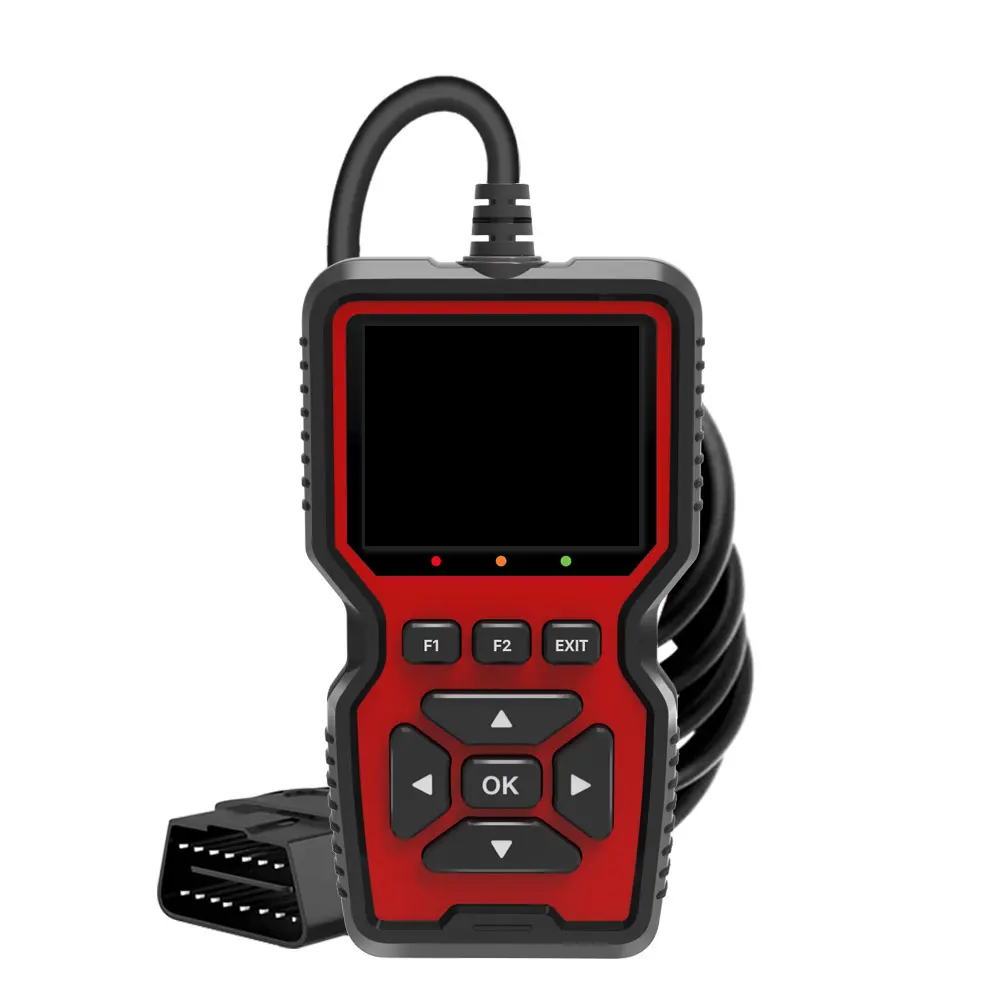
- Connect an OBD-II scanner and retrieve all active and pending Diagnostic Trouble Codes (DTCs). Note if P0783 is accompanied by other transmission-related codes (e.g., solenoid circuit codes).
- Clear the codes and perform a test drive, attempting to replicate the 3-4 shift failure under various load conditions. Monitor live data parameters such as Input Shaft Speed (ISS), Output Shaft Speed (OSS), Commanded Gear, Actual Gear, and Shift Solenoid Status (ON/OFF) during the shift. Look for discrepancies where the commanded gear changes to 4th, but ISS/OSS ratios do not reflect a successful 4th gear engagement, or if the solenoid status doesn’t change as expected.
- Transmission Fluid Inspection:
- Check the transmission fluid level according to the manufacturer’s specifications (typically with the engine warm and running, in Park or Neutral).
- Visually inspect the fluid for color, clarity, and odor. Burnt smell, dark brown/black color, or metallic particles indicate internal mechanical wear or overheating.
- Wiring and Connector Integrity Check:
- With the ignition OFF, visually inspect the external transmission wiring harness and connectors for any signs of fraying, damage, corrosion, or loose terminals, especially those leading to the 3-4 shift solenoid and speed sensors.
- Perform continuity tests on the solenoid control wires from the TCM/PCM connector to the transmission connector using a Digital Multimeter (DMM) to check for open circuits. Check for shorts to ground or voltage.
- Shift Solenoid Electrical Test:
- Access the 3-4 shift solenoid (often requires dropping the transmission pan and removing the valve body).
- Using a DMM, measure the resistance across the solenoid’s terminals. Compare the reading to the manufacturer’s specified resistance range (typically 10-30 ohms). An open circuit (infinite resistance) or a short circuit (near zero resistance) indicates a faulty solenoid.
- If accessible, apply battery voltage and ground directly to the solenoid (briefly) to listen for an audible click, indicating mechanical actuation.
- Hydraulic Pressure Test (Advanced):
- If solenoid and electrical checks are good, performing transmission line pressure tests at specific ports (refer to the service manual) during the 3-4 shift can identify low hydraulic pressure issues caused by a faulty pump, restricted filter, or internal valve body/clutch pack leaks.
- Internal Component Inspection:
- If initial tests are inconclusive, dropping the transmission pan and removing the valve body allows for visual inspection of the valve body for stuck valves, debris, or worn bores. Also, inspect the transmission filter for excessive metal debris.
Recommended Repairs and Solutions
Based on the diagnostic findings, the following repairs are commonly indicated:
- Transmission Fluid and Filter Service: If the fluid is low, dirty, or burnt, perform a complete fluid and filter replacement. Ensure the correct type of transmission fluid is used according to the manufacturer’s specifications. This can resolve issues related to hydraulic pressure or solenoid contamination.
- Replace 3-4 Shift Solenoid: If electrical tests confirm a faulty solenoid, replacement is typically the most direct solution. This usually involves dropping the transmission pan and accessing the valve body assembly. Always use an OEM or high-quality aftermarket solenoid.
- Repair or Replace Wiring/Connectors: Address any identified damage to the transmission’s external wiring harness or connectors. This may involve splicing wires, replacing terminals, or installing a new sub-harness.
- Valve Body Repair or Replacement: If a faulty valve body is diagnosed (stuck valves, worn bores), it may be possible to rebuild it with a specific repair kit. However, often a new or remanufactured valve body is installed for reliability.
- Internal Transmission Overhaul or Replacement: In cases where worn 3-4 clutch packs, bands, or other hard parts are identified through pressure tests or direct inspection, an extensive internal transmission overhaul or complete transmission replacement becomes necessary. This is the most costly repair and usually reserved for significant mechanical failures.
- TCM/PCM Reprogramming or Replacement: Only consider this after all other possibilities have been thoroughly investigated and ruled out. Check for any available software updates or technical service bulletins (TSBs) related to shift logic before considering module replacement.
Mechanic’s Tip: Always check for manufacturer-specific TSBs related to P0783 for the particular vehicle year, make, and model. These often provide insights into known issues and recommended repairs. After any transmission repair, it is crucial to clear the DTCs and perform a thorough test drive to ensure the repair has resolved the issue and the transmission shifts correctly through all gears, including the 3-4 transition.