What Does Code P0057 Mean?
DTC P0057 signifies an issue with the heater control circuit for the Heated Oxygen Sensor (HO2S) located in Bank 2, Sensor 2. Specifically, the Engine Control Module (ECM) or Powertrain Control Module (PCM) has detected a voltage reading in this circuit that is lower than the manufacturer’s specified operating range. Bank 2 refers to the cylinder bank that does not contain cylinder #1, and Sensor 2 denotes the downstream oxygen sensor, positioned after the catalytic converter for that bank. This sensor’s primary function is to monitor the efficiency of the catalytic converter by comparing oxygen levels post-catalyst to those pre-catalyst (Bank 2 Sensor 1). For an oxygen sensor to operate efficiently and provide accurate readings, its sensing element must reach and maintain a specific elevated temperature (typically 600-800°C). The integrated heater element facilitates this rapid warm-up, particularly during cold starts, allowing the sensor to enter closed-loop operation sooner. When the ECM detects a consistently low voltage, an open circuit, or excessive resistance within this heater circuit, it interprets it as a malfunction, illuminates the Malfunction Indicator Lamp (MIL), and stores P0057. This condition directly impacts the emissions monitoring subsystem, potentially hindering the PCM’s ability to accurately assess catalytic converter performance.
Common Symptoms
- Illumination of the Malfunction Indicator Lamp (MIL), commonly known as the Check Engine Light.
- Potential decrease in fuel efficiency, particularly if the ECM reverts to open-loop operation or makes less precise fuel trim adjustments due to a lack of reliable emissions feedback.
- Increased exhaust emissions, although often not immediately noticeable to the driver.
- Failure to pass an emissions inspection due to an illuminated MIL or an unset readiness monitor for the O2 sensor heater or catalyst system.
- In some vehicles, a slight hesitation or rough idle may be observed during cold engine operation if the ECM’s long-term fuel trims are adversely affected, though this is less common for a downstream sensor heater failure.
What Causes the Code P0057?
- Faulty Bank 2 Sensor 2 Heater Element: The most common cause is an internal open circuit, short, or excessively high resistance within the HO2S heater element itself, preventing it from drawing the necessary current.
- Damaged or Corroded Wiring Harness: An open circuit, short to ground, or high resistance within the power supply or control circuit wiring leading to Bank 2 Sensor 2. This can result from chafing, rodent damage, or corrosion at connectors.
- Corroded or Loose Electrical Connections: Poor contact at the HO2S connector due to corrosion, bent pins, or inadequate seating can interrupt the heater circuit.
- Blown Fuse: A fuse specifically dedicated to the HO2S heater circuit (or a shared fuse with other HO2S heaters) may be blown, cutting off power. The root cause of the fuse blowing should also be investigated.
- Faulty Engine Control Module (ECM/PCM): While rare, an internal failure of the ECM’s driver circuit responsible for controlling the HO2S heater current can cause this code.
How to Diagnose and Troubleshoot
Diagnosis of P0057 requires a systematic approach using specialized tools and a thorough understanding of electrical circuits:
- Visual Inspection: Begin with a comprehensive visual inspection of the Bank 2 Sensor 2 wiring harness from the sensor connector back to the ECM. Look for any signs of physical damage, fraying, chafing, melted insulation, or corrosion. Inspect the sensor connector itself for bent pins, corrosion, or loose connections. Ensure the sensor is securely installed in the exhaust.
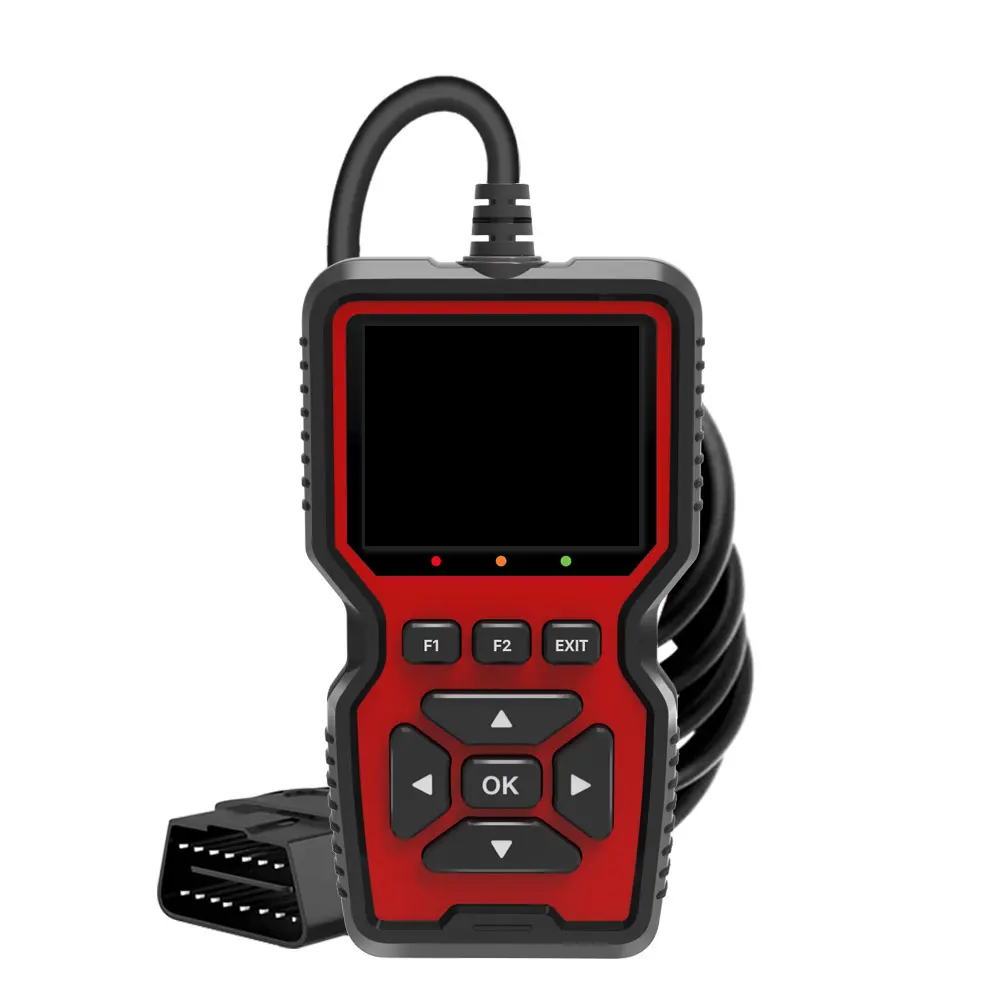
- OBD-II Scanner Data Analysis: Connect an OBD-II scanner and confirm the presence of P0057. Check for any related codes that might indicate a broader electrical issue (e.g., generic circuit low codes). If available, monitor live data PIDs related to HO2S heater current or voltage for Bank 2 Sensor 2. While often limited for downstream sensors, some advanced scanners might offer this insight.
- Digital Multimeter (DMM) Testing (Ignition OFF):
- Sensor Heater Resistance Test: Disconnect the Bank 2 Sensor 2 electrical connector. Using a DMM set to ohms, measure the resistance across the two pins on the *sensor side* of the connector that correspond to the heater circuit (consult wiring diagrams; typically, these are the two wires of the same color). Compare the reading to the manufacturer’s specification, which typically ranges from 2-10 ohms. An “OL” (open circuit) or significantly high resistance reading indicates a faulty heater element within the sensor, necessitating sensor replacement.
- Power Supply Test (Harness Side): With the ignition ON (engine OFF), reconnect the DMM in voltage mode to the power supply wire (usually 12V constant or switched) at the *harness side* of the Bank 2 Sensor 2 connector. Verify approximately 12 volts are present. If no voltage, trace the power wire back to its source, checking fuses and relays.
- Ground/Control Circuit Test (Harness Side): With the ignition OFF and the sensor disconnected, use the DMM in continuity mode to check the ground or control wire from the *harness side* connector to a known good chassis ground. Verify good continuity (low resistance). For ECM-controlled ground circuits, also check for a short to power or ground in this wire.
- ECM Output Test (Advanced): If the sensor’s heater resistance is within specification, and power and ground are confirmed at the harness connector, the issue might lie with the ECM’s ability to switch the ground circuit for the heater. This typically requires more advanced diagnostic equipment (e.g., oscilloscope) to monitor the control signal from the ECM or specific ECM diagnostic routines. However, P0057 more commonly points to a sensor or wiring issue.
Recommended Repairs and Solutions
Once the diagnostic procedure has pinpointed the root cause of P0057, the following repairs and solutions are recommended:
- Replace the Oxygen Sensor: If DMM testing confirms an open or high-resistance heater element within Bank 2 Sensor 2, replacement of the entire HO2S is necessary. Always use a high-quality, OEM-equivalent sensor to ensure compatibility and longevity.
- Repair or Replace Wiring Harness: If the diagnostic steps identify damaged, corroded, or open/shorted wiring, the affected section of the wiring harness should be repaired using appropriate automotive-grade connectors and wiring, or the entire sub-harness replaced if damage is extensive. Ensure all repairs are properly insulated and secured to prevent future issues.
- Clean Electrical Connectors: For issues related to corrosion or poor contact, thoroughly clean the HO2S connector pins on both the sensor and harness sides using an electrical contact cleaner and a small brush. Apply dielectric grease to the connection points upon reassembly to prevent future corrosion.
- Replace Blown Fuse: If a blown fuse is found, replace it with a fuse of the correct amperage. Importantly, investigate and rectify the underlying cause of the fuse blowing (e.g., a short to ground in the wiring harness or sensor heater) to prevent immediate recurrence.
- ECM Replacement/Reprogramming: This is a rare solution for P0057 and should only be considered after all other potential causes have been thoroughly investigated and ruled out. If the ECM’s internal heater driver circuit is confirmed faulty, the ECM will need to be replaced and potentially programmed to the vehicle.
After any repair, clear the DTCs with an OBD-II scanner. Perform a drive cycle that includes varying engine speeds and temperatures to allow the ECM to run its diagnostic monitors and confirm the repair. Monitor for the re-illumination of the MIL and ensure all relevant readiness monitors set to “complete” before returning the vehicle to service.