
Overview & Design Features
The Acura F23A1 engine is a 2.3-liter (2254 cc) inline-four cylinder gasoline engine, part of Honda’s renowned F-series family. Manufactured by Honda, this engine represents a significant evolution from earlier F-series iterations, offering a blend of reliability, efficiency, and adequate power for its segment. It served as a critical powertrain in specific Acura models during the late 1990s, highlighting Honda’s commitment to refined four-cylinder engineering within its luxury division.
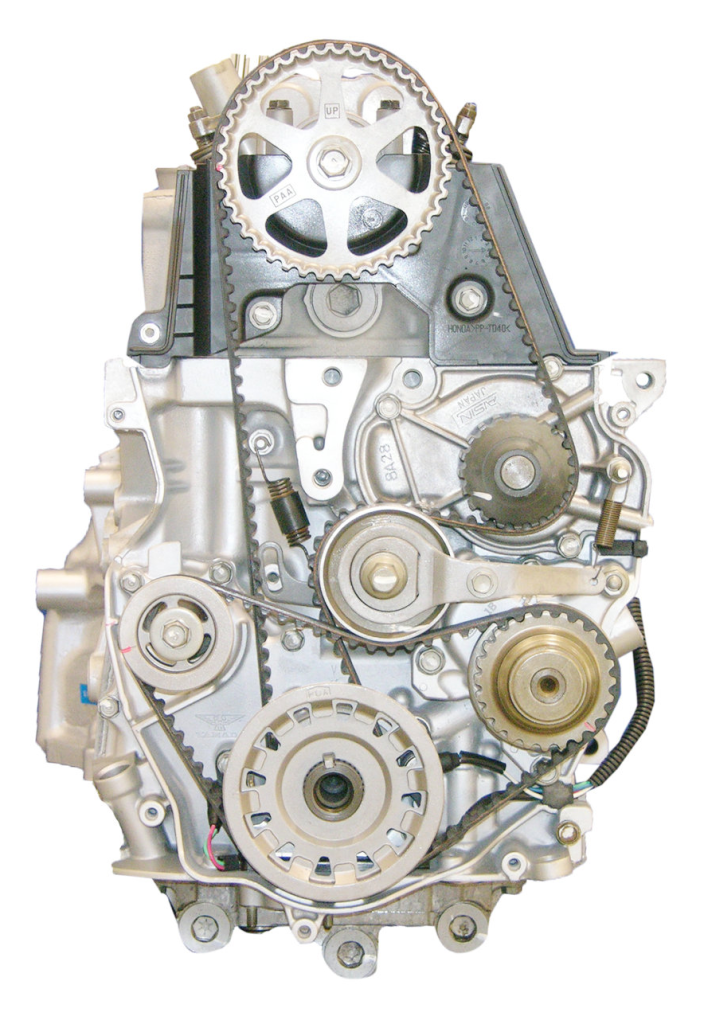
Engineering highlights of the F23A1 include a robust cast-iron cylinder block for durability, paired with a lightweight aluminum alloy cylinder head for improved heat dissipation and reduced overall engine weight. It utilizes a Single Overhead Camshaft (SOHC) valvetrain system incorporating Honda’s Variable Valve Timing and Lift Electronic Control (VTEC) technology, specifically tuned for a balance of low-end torque and high-RPM power. Fuel delivery is managed by a multi-port fuel injection system, ensuring precise fuel metering and combustion efficiency across various operating conditions.
The Acura F23A1 engine was primarily deployed in the North American market in the 1998-1999 Acura CL 2.3 coupe. This application marked its exclusive use in Acura’s compact luxury lineup, providing a refined and economical option for buyers seeking performance without the complexity or cost of V6 powertrains.
Technical Specifications
| Displacement | 2254 cc |
| Max Power | 150 hp (112 kW) @ 5700 RPM |
| Max Torque | 206 Nm (21.0 kg*m) @ 4900 RPM |
| Fuel Type | Unleaded Premium (recommended) |
| Fuel Consumption | ~9.0 l/100 km (combined cycle estimate) |
| Engine Type | Inline 4-cylinder, SOHC VTEC |
| Compression Ratio | 9.3:1 |
| Cylinder Bore | 86 mm |
| Piston Stroke | 97 mm |
| Valvetrain | SOHC VTEC |
| Valves per Cylinder | 4 |
| Additional Info | Multi-point fuel injection, timing belt driven |
Common Problems & Reliability
- Oil Consumption: Higher mileage F23A1 engines can exhibit increased oil consumption. This is often attributed to worn piston rings or hardened valve stem seals, leading to oil ingress into the combustion chambers. Regular monitoring of oil levels is essential.
- Timing Belt Failure: As an interference engine, a broken timing belt on the F23A1 can cause catastrophic internal damage (bent valves). Neglecting the timing belt replacement interval is a critical risk factor. The water pump and tensioner should always be replaced concurrently.
- Distributor Issues: The integrated distributor, housing the ignition coil and igniter, is a common failure point. Symptoms include engine misfires, rough idling, or complete engine shutdown. Internal component wear or oil leaks from the distributor O-ring are typical concerns.
Under a regimen of diligent maintenance, the Acura F23A1 is capable of achieving a service life exceeding 250,000 to 300,000 miles (400,000 to 480,000 km) before requiring a major overhaul.
Maintenance Tips & Service Schedule
- Engine Oil: Utilize a 5W-30 synthetic blend or full synthetic engine oil. Oil and filter changes are recommended every 5,000 to 7,500 miles (8,000 to 12,000 km) or every 6 months, whichever occurs first.
- Spark Plugs: Replace iridium or platinum-tipped spark plugs every 100,000 to 105,000 miles (160,000 to 169,000 km).
- Timing Belt Service: This is a critical service. Replace the timing belt, water pump, and tensioner assembly every 90,000 to 105,000 miles (145,000 to 169,000 km). Strict adherence to this interval is paramount to prevent engine damage.
- Coolant Flush: Perform a coolant system flush and refill with manufacturer-specified coolant every 3-5 years or 60,000 to 100,000 miles (96,000 to 160,000 km).
- Valve Adjustment: Periodically inspect and adjust valve clearances, typically around 100,000 miles, especially if unusual valvetrain noise is present.
Conclusion
The Acura F23A1 engine stands as a testament to Honda’s robust and efficient four-cylinder engineering. It offers a reliable and reasonably powerful option for a used vehicle buyer, particularly in the Acura CL application. Its straightforward design, coupled with the proven SOHC VTEC system, contributes to its overall longevity and ease of service. When considering a vehicle equipped with this engine, verifying meticulous timing belt service records is the most crucial factor for ensuring continued trouble-free operation.