
Overview & Design Features
The Acura J30A1 is a 3.0-liter (2997 cc) V6 engine developed by Honda, representing an early iteration of the manufacturer’s renowned J-series engine family. Introduced in the late 1990s, this naturally aspirated power unit was engineered to deliver a balance of smooth power delivery, fuel efficiency, and Honda’s signature reliability, primarily for the luxury coupe segment. Its configuration as a compact V6 allowed for efficient packaging within the vehicle’s engine bay, contributing to balanced weight distribution and overall vehicle dynamics.
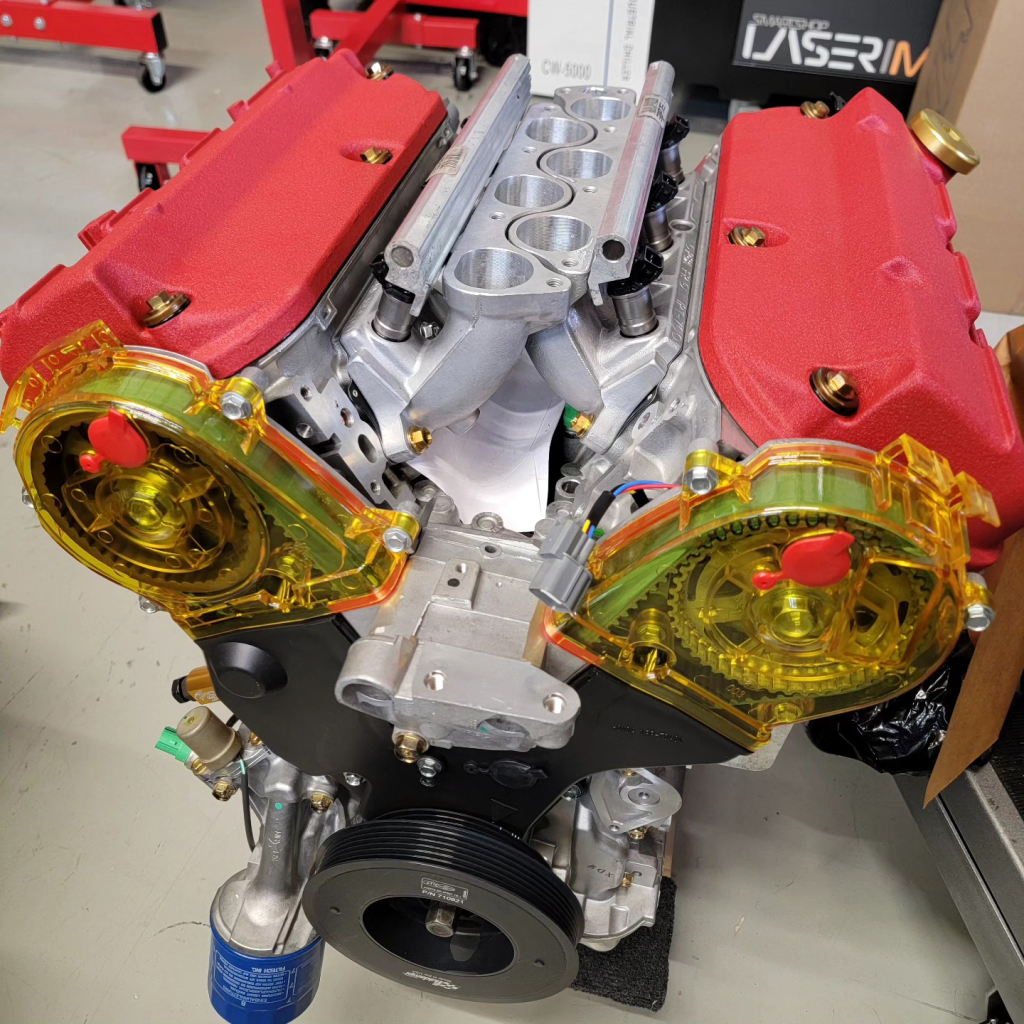
Constructed with an all-aluminum cylinder block and cylinder heads, the J30A1 features a lightweight yet robust design. It incorporates a Single Overhead Camshaft (SOHC) valvetrain with 24 valves, employing Honda’s Variable Valve Timing and Lift Electronic Control (VTEC) system. This specific VTEC implementation optimizes valve operation for improved low-end torque and high-end power across the RPM range. Fuel delivery is managed by a multi-point electronic fuel injection system, ensuring precise fuel metering and combustion efficiency, contributing to its smooth operation.
This particular J30A1 engine variant was primarily deployed in the North American market. Its most notable application was in the 1997-1999 Acura 3.0CL coupe. While other J-series engines saw broader usage, the J30A1 was specifically tailored for the performance and luxury attributes expected of this particular Acura model during its production cycle.
Technical Specifications
| Displacement (cc) | 2997 |
| Max Power (hp (kW) @ RPM) | 200 hp (149 kW) @ 5500 RPM |
| Max Torque (Nm (kg*m) @ RPM) | 265 Nm (27.0 kg*m) @ 4800 RPM |
| Fuel Type | Unleaded Premium (91+ RON) Recommended |
| Fuel Consumption (l/100 km) | Approx. 10.5 (combined, varies by vehicle application) |
| Engine Type | V6, SOHC, VTEC |
| Compression Ratio | 9.4:1 |
| Cylinder Bore (mm) | 86 |
| Piston Stroke (mm) | 86 |
| Valvetrain | SOHC, 24-valve (4 valves per cylinder) |
| Valves per Cylinder | 4 |
| Additional Info | Timing Belt Driven, Aluminum Block and Heads |
Common Problems & Reliability
- Timing Belt Service: As a timing belt-driven engine, failure to adhere to the prescribed replacement intervals can lead to catastrophic engine damage. Water pump replacement is highly recommended during this service due to shared labor costs and component age.
- Valve Cover Gasket Leaks: Over time, the rubber valve cover gaskets and spark plug tube seals can harden and crack, leading to oil leaks that may drip onto exhaust components, creating smoke or odors, or fouling spark plugs.
- EGR System Clogging: The Exhaust Gas Recirculation (EGR) ports, particularly in the intake manifold and EGR valve, can accumulate carbon deposits, leading to rough idle, hesitation, or misfires. Regular cleaning can mitigate this issue.
With diligent maintenance, the J30A1 engine is known for its robust construction and can realistically achieve service lives exceeding 320,000 kilometers (200,000 miles) before requiring a major overhaul.
Maintenance Tips & Service Schedule
- Engine Oil: Utilize a high-quality 5W-30 synthetic or semi-synthetic engine oil. Oil and filter changes should be performed every 8,000 to 12,000 kilometers (5,000 to 7,500 miles) or every six months, whichever comes first.
- Timing Belt & Water Pump: The timing belt, tensioner, and water pump must be replaced every 100,000 to 160,000 kilometers (60,000 to 100,000 miles) or every 7 years, based on manufacturer recommendations.
- Spark Plugs: Iridium-tipped spark plugs should be inspected and replaced every 160,000 kilometers (100,000 miles) to maintain optimal ignition and fuel efficiency.
- Coolant Flush: The engine coolant should be flushed and refilled with Honda-specific long-life coolant every 60,000 kilometers (37,500 miles) or every 3 years.
- Valve Adjustment: Periodically, manual valve lash inspection and adjustment may be necessary if unusual valvetrain noise is present, although this is less common with well-maintained VTEC engines.
Conclusion
The Acura J30A1 engine is a fundamentally sound and reliable V6 power unit, a testament to Honda’s engineering principles. For a used vehicle buyer, an Acura 3.0CL equipped with this engine can be a safe and economical choice, provided that its critical timing belt service has been performed diligently and documented. Its straightforward design, combined with readily available parts and established repair procedures, makes it a manageable engine to maintain for long-term ownership.