
Overview & Design Features
The Acura C25A1 engine represents a significant milestone for Honda’s luxury marque, Acura, as its inaugural V6 powerplant deployed in the North American market. Introduced in 1986, this 2.5-liter (2497 cc) naturally aspirated, longitudinally mounted V6 engine set a new benchmark for refinement and performance in its class. Developed during a period of intense innovation at Honda, the C25A1 underscored Acura’s commitment to offering sophisticated, high-performance luxury vehicles, establishing the brand’s reputation for engineering excellence from its very inception.
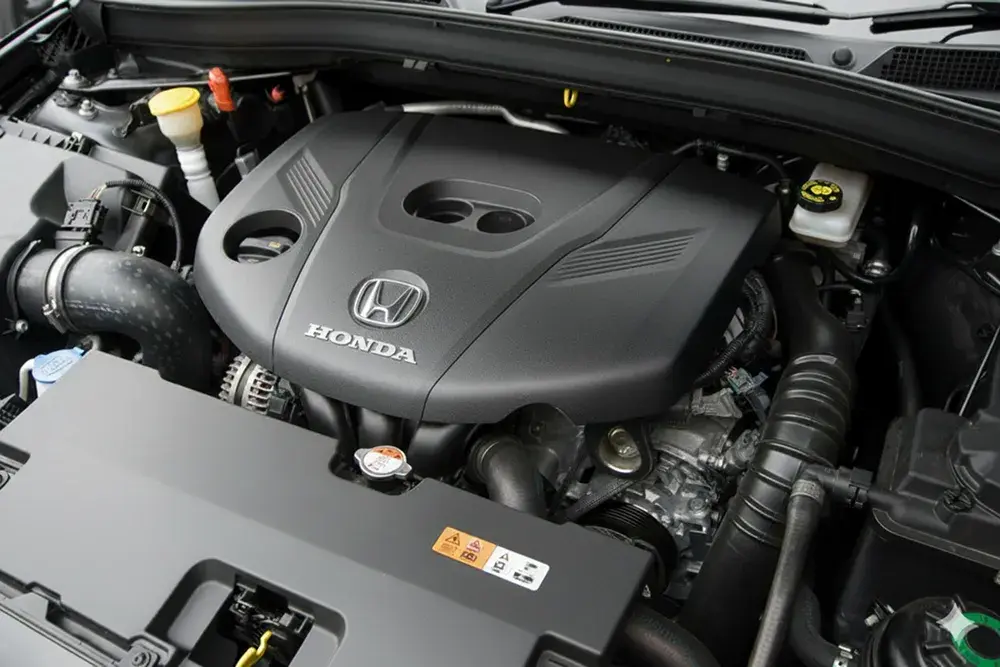
Engineered with an all-aluminum block and cylinder heads, the C25A1 featured a robust yet lightweight construction. Its SOHC (Single Overhead Camshaft) design, utilizing two camshafts (one per cylinder bank), actuated four valves per cylinder, totaling 24 valves, to optimize airflow and combustion efficiency. Fuel delivery was managed by a multi-point electronic fuel injection (MPI) system, ensuring precise fuel metering for smooth operation and responsive power delivery across the RPM range. The engine’s compact design and aluminum construction contributed to improved vehicle weight distribution and overall handling characteristics.
The C25A1 engine was exclusively featured in the first-generation Acura Legend. Specifically, it powered the 1986-1987 Acura Legend sedan and coupe models in the North American market, known internally as the KA1 and KA2 chassis codes. This engine served as the foundational powerplant for the Legend, positioning it as a direct competitor to established European luxury sedans and showcasing Acura’s intent to deliver a blend of performance, luxury, and reliability.
Technical Specifications
| Specification | Value |
|---|---|
| Displacement (cc) | 2497 cc |
| Max Power (hp (kW) @ RPM) | 151 hp (113 kW) @ 5800 RPM |
| Max Torque (Nm (kg*m) @ RPM) | 208 Nm (153 lb-ft) @ 4500 RPM |
| Fuel Type | Premium Unleaded (91+ RON recommended) |
| Fuel Consumption (l/100 km) | Varies significantly with vehicle application and driving conditions; typically 9.5-12.5 l/100 km combined. |
| Engine Type | V6, SOHC, Naturally Aspirated |
| Compression Ratio | 9.0:1 |
| Cylinder Bore (mm) | 84 mm |
| Piston Stroke (mm) | 75 mm |
| Valvetrain | SOHC (Single Overhead Camshaft) |
| Valves per Cylinder | 4 |
| Additional Info | All-aluminum construction, Multi-point Electronic Fuel Injection (MPI) |
Common Problems & Reliability
The C25A1 engine, while generally robust, exhibits a few common issues typical of its design and vintage. A prevalent concern involves oil leaks, particularly from the distributor O-ring and valve cover gaskets. These seals can harden and crack over time, leading to visible oil seepage. Another area of focus is the main crankshaft seals, which can also degrade with age and mileage, necessitating replacement to prevent further leaks. Lastly, the timing belt system, including the belt tensioner and water pump, requires diligent adherence to maintenance schedules. Neglecting timely replacement of these components can lead to catastrophic engine failure due to belt breakage.
Under a regimen of proper maintenance, including regular oil changes and timely replacement of wear items, the Acura C25A1 engine is known for its commendable durability. Many examples have reliably surpassed 200,000 miles (320,000 km) and even 300,000 miles (480,000 km) before requiring a major overhaul. Its design simplicity, combined with Honda’s manufacturing quality of the era, contributes to this impressive longevity.
Maintenance Tips & Service Schedule
Optimal longevity and performance from the C25A1 engine depend on adherence to a rigorous maintenance schedule. Engine oil should be replaced every 3,750 to 5,000 miles (6,000-8,000 km) or every six months, whichever comes first, using a high-quality 5W-30 conventional or synthetic blend motor oil. This viscosity provides excellent protection across varying operating temperatures.
The timing belt, along with the water pump and tensioner, constitutes a critical service item; replacement is recommended every 60,000 to 90,000 miles (100,000-145,000 km) or every 7 years, whichever occurs first. Spark plugs (NGK BPR6ES or equivalent) should be inspected and replaced every 30,000 miles (48,000 km) for copper plugs or every 60,000 miles (96,000 km) for platinum-tipped versions. The cooling system requires attention with a coolant flush and refill every 30,000 miles or every 2-3 years, utilizing an ethylene glycol-based coolant suitable for aluminum engines. Regular inspection of accessory belts, hoses, and fluid levels is also crucial for preventing unforeseen issues and ensuring reliable operation.
Conclusion
The Acura C25A1 engine, an engineering cornerstone for the early Acura brand, represents a strong choice for enthusiasts or used vehicle buyers seeking a classic Japanese luxury sedan with inherent reliability. Its robust aluminum construction, multi-point fuel injection, and straightforward SOHC valvetrain contribute to a generally dependable and smooth-running powerplant. While its power output is modest by modern standards, its refinement and longevity are commendable when proper maintenance is consistently applied. Buyers of vehicles equipped with the C25A1 should prioritize models with a documented service history, particularly regarding timing belt replacements, to ensure continued reliable operation. With diligent care, this engine offers a satisfying ownership experience, embodying the durability and quality that defined Acura’s initial foray into the luxury market.