
Overview & Design Features
The Acura C32B engine is a high-performance, naturally aspirated 3.2-liter V6 engine developed by Honda for its Acura luxury brand. Specifically engineered for the second-generation Honda NSX (NA2), this longitudinally mounted, mid-engine configuration unit represents the pinnacle of Honda’s C-series V6 development, known for its exceptional power delivery, high redline, and renowned reliability. Its introduction marked a significant upgrade in performance for the iconic Japanese supercar, solidifying its status as a highly capable and driver-focused machine.
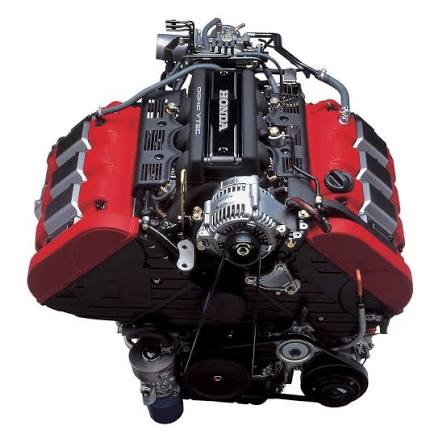
This engine features an all-aluminum alloy cylinder block and cylinder heads, contributing to its light weight and efficient heat dissipation. The C32B utilizes Honda’s advanced Multi-Point Programmed Fuel Injection (PGM-FI) system for precise fuel delivery and optimal combustion. A key technological highlight is the Double Overhead Camshaft (DOHC) VTEC (Variable Valve Timing and Lift Electronic Control) system, which optimizes valve lift and duration across the RPM range, providing a broad powerband and impressive throttle response. Internally, the C32B benefits from a finely balanced, lightweight crankshaft, and for specific high-performance variants like the JDM NSX Type S and NSX-R, titanium connecting rods were employed to reduce reciprocating mass and enable quicker revving.
The C32B engine was exclusively deployed in the second-generation (NA2) Acura NSX models. It powered the 2002-2005 Acura NSX in North America, and more notably, the JDM (Japanese Domestic Market) Honda NSX-R and NSX Type S from 1997-2005. These specific applications leveraged the engine’s advanced design to deliver a highly engaging driving experience tailored for track performance and spirited road use.
Technical Specifications
| Specification | Value |
|---|---|
| Displacement (cc) | 3179 cc |
| Max Power (hp (kW) @ RPM) | 290 hp (216 kW) @ 7300 RPM (JDM NSX-R/Type S) |
| Max Torque (Nm (kg*m) @ RPM) | 304 Nm (31.0 kg*m) @ 5300 RPM (JDM NSX-R/Type S) |
| Fuel Type | Premium Unleaded (91+ RON) |
| Fuel Consumption (l/100 km) | Approx. 11.5 (combined, highly variable based on driving style) |
| Engine Type | V6, DOHC VTEC, Naturally Aspirated |
| Compression Ratio | 10.2:1 |
| Cylinder Bore (mm) | 93.0 mm |
| Piston Stroke (mm) | 78.0 mm |
| Valvetrain | DOHC with VTEC |
| Valves per Cylinder | 4 |
| Additional Info | All-aluminum construction, titanium connecting rods (JDM Type S/R), lightweight crankshaft. |
Common Problems & Reliability
The Acura C32B engine is widely recognized for its exceptional reliability and robust construction, a testament to Honda’s engineering prowess. However, like any high-performance unit, specific considerations exist, particularly with age and mileage.
- Timing Belt and Water Pump Service: This is a critical maintenance item, not a “problem” in itself, but neglecting it leads to catastrophic engine failure. The timing belt drives the camshafts and water pump, and its failure can result in bent valves and severe internal damage.
- VTEC Solenoid and Oil Pressure Switch: Over time, the VTEC solenoid or its associated oil pressure switch can degrade, potentially causing issues with VTEC engagement or triggering “check engine” lights. These are typically minor fixes but require attention.
- Oil Leaks from Seals and Gaskets: With extended mileage, seals and gaskets (e.g., valve cover gaskets, rear main seal) can harden and become brittle, leading to minor oil seepage. While usually not severe, these leaks should be addressed to prevent contamination and ensure proper oil levels.
- Ignition System Components: Spark plugs and ignition coil packs are wear items. Deterioration can lead to misfires, reduced performance, and decreased fuel efficiency.
Under a regimen of diligent maintenance and proper care, the Acura C32B engine is capable of achieving an impressive service life. It is common for these engines to exceed 250,000 kilometers (150,000 miles) before requiring any major overhaul, a testament to their inherent durability and build quality.
Maintenance Tips & Service Schedule
Maintaining the Acura C32B engine is crucial for preserving its performance and extending its lifespan. Adherence to manufacturer-recommended service intervals and use of high-quality components are paramount.
- Engine Oil and Filter: Perform oil and filter changes every 5,000-7,500 kilometers (3,000-5,000 miles) or every six months, whichever comes first. Use a high-quality synthetic motor oil, typically 5W-40 or 10W-30, meeting API SN or higher specifications.
- Spark Plugs: Replace platinum-tipped spark plugs every 100,000 kilometers (60,000 miles). Inspection for wear and proper gapping should occur at regular intervals.
- Timing Belt and Water Pump: The timing belt, along with the water pump, tensioner, and idler pulleys, must be replaced every 105,000 kilometers (65,000 miles) or every seven years. This is a non-negotiable service to prevent catastrophic engine failure.
- Coolant Flush: Perform a coolant system flush and refill with Honda-specific long-life coolant every 3-5 years or 60,000-80,000 kilometers (40,000-50,000 miles).
- Air Filter: Inspect and replace the engine air filter annually or every 20,000-30,000 kilometers (12,000-18,000 miles) to ensure optimal airflow and prevent contaminants from entering the engine.
- Valve Clearances: While DOHC VTEC engines often maintain stable valve clearances, periodic inspection and adjustment (typically with timing belt service) are recommended to ensure optimal valve operation and prevent excessive wear.
Conclusion
The Acura C32B engine stands as a testament to Honda’s engineering excellence, offering a robust, reliable, and high-performing V6 unit. For a used vehicle buyer considering an Acura NSX equipped with this engine, it represents an exceptionally safe choice, provided the vehicle has a documented history of meticulous maintenance. Its inherent durability means that with proper care, it will continue to deliver strong performance for many years and miles. Potential buyers should, however, be prepared for higher service costs associated with specialist parts and labor given the engine’s exotic application and performance pedigree.