
Overview & Design Features
The Honda D16Y8 engine, often found in Acura models in certain markets, is a 1.6-liter (1590 cc) inline four-cylinder internal combustion engine. Part of Honda’s widely recognized D-series family, this powerplant is celebrated for its blend of reliability, fuel efficiency, and spirited performance, particularly due to its advanced valve timing system. It represents a significant iteration within the D-series, powering numerous compact vehicles during its production run.
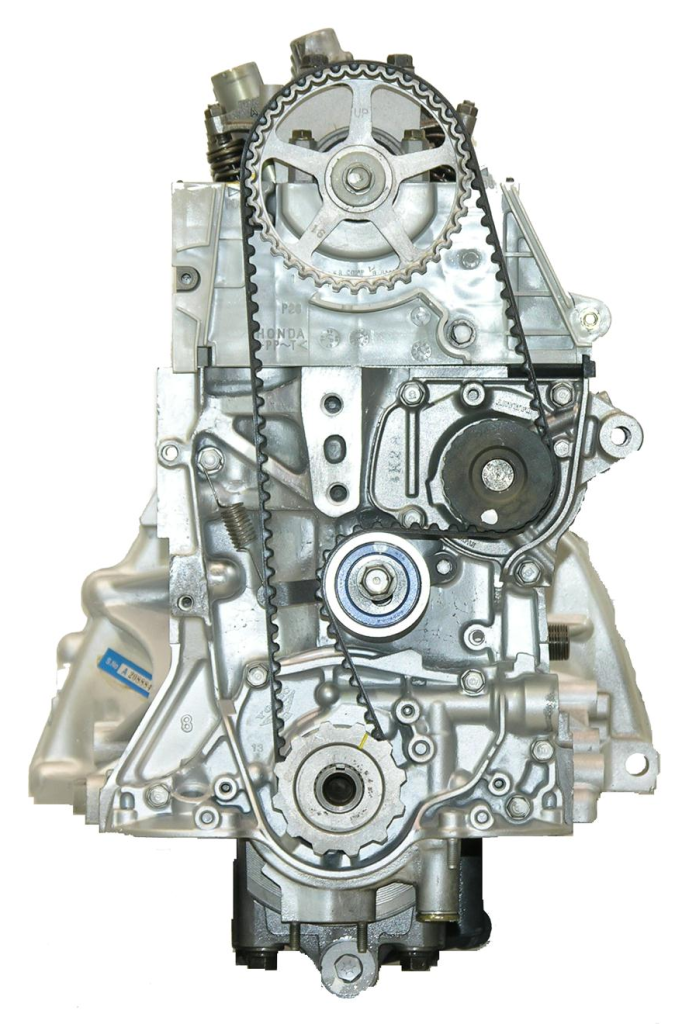
Engineered with a robust cast-iron cylinder block and a lightweight aluminum alloy cylinder head, the D16Y8 utilizes a Single Overhead Camshaft (SOHC) valvetrain with 16 valves. Fuel delivery is managed by a multi-point fuel injection (MPFI) system, ensuring precise fuel atomization and combustion. A defining characteristic is Honda’s Variable Valve Timing and Lift Electronic Control (VTEC) system, which optimizes camshaft profiles for improved low-RPM torque and high-RPM power, making it highly adaptable across the engine’s operational range.
This specific engine variant was primarily deployed in North American and European markets between 1996 and 2000. Key applications include the 1996-2000 Honda Civic EX (US/Canada), the 1996-2000 Honda Civic Si (Europe), and certain trims of the 1996-2000 Acura EL (Canada). It served as the top-tier naturally aspirated 1.6-liter option for these platforms.
Technical Specifications
| Specification | Value |
|---|---|
| Displacement (cc) | 1590 |
| Max Power (hp (kW) @ RPM) | 127 (95) @ 6600 |
| Max Torque (Nm (kg*m) @ RPM) | 145 (11.2) @ 5500 |
| Fuel Type | Unleaded Gasoline (min 87 octane) |
| Fuel Consumption (l/100 km) | ~7.0-8.5 (Combined) |
| Engine Type | Inline 4-Cylinder, SOHC VTEC |
| Compression Ratio | 9.6:1 |
| Cylinder Bore (mm) | 75.0 |
| Piston Stroke (mm) | 90.0 |
| Valvetrain | SOHC VTEC |
| Valves per Cylinder | 4 |
| Additional Info | OBD-II compliant |
Common Problems & Reliability
- Oil Leaks: The D16Y8 engine commonly experiences oil leaks from the distributor O-ring and valve cover gasket at higher mileages. These are generally minor issues, easily rectified with replacement seals.
- VTEC Solenoid Issues: The screen within the VTEC solenoid can become clogged with oil sludge over time, impeding proper VTEC engagement. Regular oil changes mitigate this risk.
- Timing Belt Component Wear: As a timing belt engine, neglect of scheduled replacement can lead to catastrophic engine failure. The water pump and tensioner are critical components to replace concurrently with the belt.
With diligent maintenance, the D16Y8 engine is known for exceptional longevity, often achieving service lives exceeding 250,000 miles (400,000 km) before requiring a major overhaul.
Maintenance Tips & Service Schedule
- Engine Oil: Utilize a high-quality 5W-30 or 10W-30 API-certified engine oil. Perform oil and filter changes every 5,000 miles (8,000 km) or every six months, whichever comes first.
- Spark Plugs: Replace spark plugs (NGK or Denso recommended) every 30,000 to 60,000 miles (48,000-96,000 km), depending on plug type (standard vs. platinum).
- Timing Belt: The timing belt, water pump, and tensioner must be replaced as a set every 90,000-105,000 miles (145,000-170,000 km) to prevent potential engine damage.
- Coolant: Flush and replace engine coolant (Honda Type 2 blue coolant recommended) every 2 years or 30,000 miles (48,000 km) initially, then every 5 years or 60,000 miles (96,000 km).
- Valve Adjustment: Periodical valve clearance inspection and adjustment are recommended, typically every 60,000-100,000 miles (96,000-160,000 km), to maintain optimal performance and prevent excessive valvetrain wear.
Conclusion
The Acura (Honda) D16Y8 engine stands as a highly commendable choice for a used vehicle buyer prioritizing a balance of efficiency, reliability, and engaging performance. Its robust construction and proven VTEC technology make it a resilient powerplant. Provided the engine has a documented history of proper maintenance, particularly timing belt replacement, it represents a safe and economical option capable of delivering many more years of dependable service.