
Overview & Design Features
A member of the venerable Honda D-series engine family, the Acura D17A2 is a 1.7-liter (1668cc) inline four-cylinder gasoline engine. Known for its compact design, efficiency, and reliability, this engine primarily served the North American market, upholding the D-series reputation for economical and dependable powertrain solutions. Its development focused on optimizing fuel efficiency while providing adequate power for its vehicle class, making it a cornerstone of accessible automotive engineering during its production run.
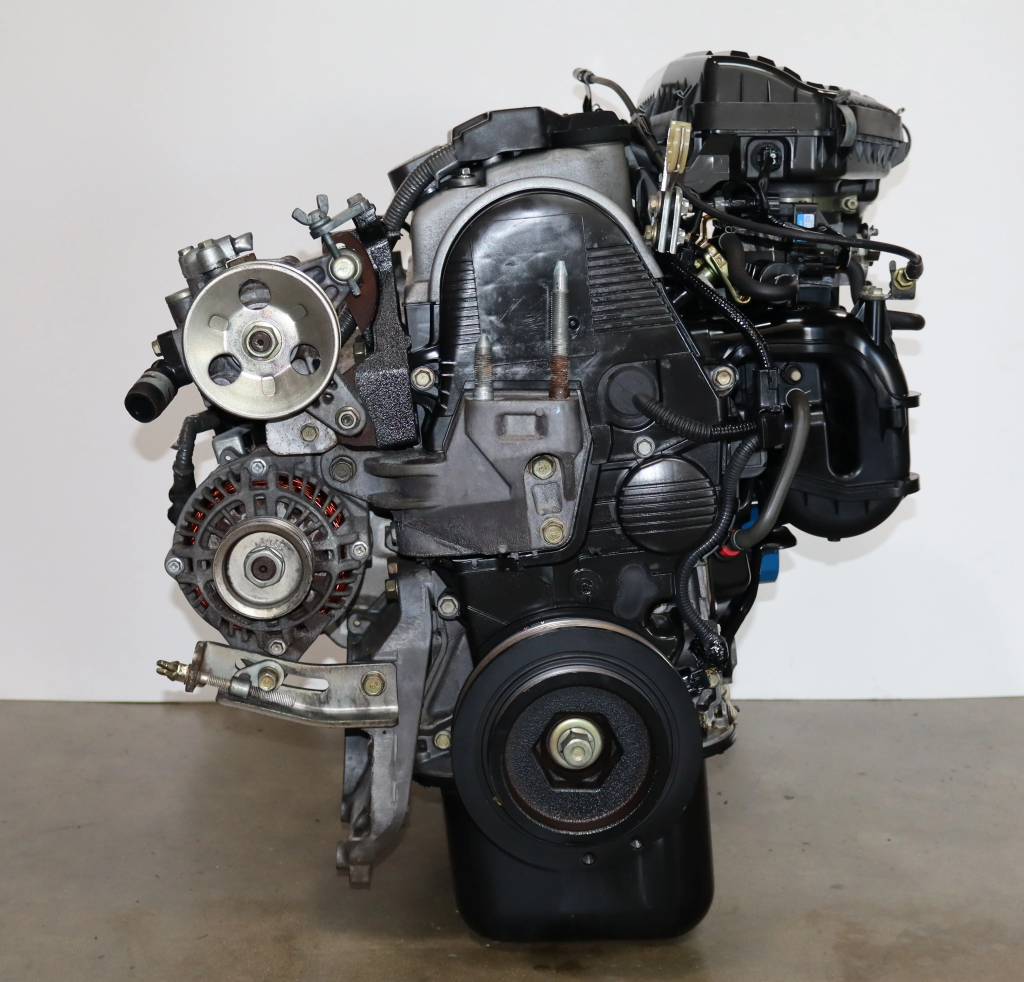
The D17A2 features an aluminum alloy cylinder block and cylinder head, contributing to its lightweight nature. It utilizes a Single Overhead Camshaft (SOHC) 16-valve valvetrain, incorporating Honda’s VTEC-E (Variable Valve Timing and Lift Electronic Control for Economy) system. This iteration of VTEC is engineered to enhance fuel economy by varying the lift and duration of the intake valves at different RPMs, promoting efficient combustion and reduced emissions. Fuel delivery is managed by multi-point electronic fuel injection (MPFI), ensuring precise fuel metering and improved throttle response.
This specific D17A2 engine variant was predominantly deployed in the 7th generation Honda Civic EX models in the United States and Canada, as well as the Canadian-market Acura EL, from the 2001 to 2005 model years. It became a prevalent choice for compact vehicles where a balance of performance, economy, and low emissions was paramount.
Technical Specifications
| Specification | Value |
|---|---|
| Displacement | 1668 cc |
| Max Power | 127 hp (95 kW) @ 6300 RPM |
| Max Torque | 161 Nm (16.4 kg*m) @ 4800 RPM |
| Fuel Type | Unleaded Gasoline (87 Octane) |
| Fuel Consumption (l/100 km) | Approximately 7.9 (Combined, varies by transmission/vehicle) |
| Engine Type | Inline 4-cylinder, SOHC, 16-valve, VTEC-E |
| Compression Ratio | 9.9:1 |
| Cylinder Bore | 75.0 mm |
| Piston Stroke | 94.4 mm |
| Valvetrain | SOHC (Single Overhead Camshaft) |
| Valves per Cylinder | 4 |
| Additional Info | VTEC-E for enhanced fuel economy |
Common Problems & Reliability
- Oil Consumption: A notable characteristic of the D17A2 at higher mileages can be increased oil consumption. This often stems from worn piston rings or valve stem seals, requiring regular monitoring of oil levels and timely top-ups to prevent engine damage.
- Head Gasket Failure: While generally robust, head gasket failures can occur, particularly in engines that have experienced prolonged overheating or poor coolant maintenance. Symptoms include coolant loss, overheating, and white exhaust smoke.
- Timing Belt Wear: The D17A2 utilizes a timing belt, which is a critical maintenance item. Neglecting its replacement at specified intervals can lead to catastrophic engine failure due to interference between pistons and valves.
With diligent maintenance and timely address of common wear items, the D17A2 engine typically demonstrates an impressive service life, often exceeding 200,000 to 250,000 miles (320,000 to 400,000 km) before requiring a major overhaul.
Maintenance Tips & Service Schedule
- Engine Oil: Perform oil and filter changes every 5,000 miles (8,000 km) or 6 months, using 5W-20 or 5W-30 full synthetic or synthetic blend engine oil. Regular checks of oil level are crucial due to potential consumption.
- Timing Belt: Replace the timing belt, tensioner, and water pump assembly every 105,000 miles (168,000 km) or 7 years, whichever comes first. This is a critical preventive measure.
- Spark Plugs: Replace iridium-tipped spark plugs every 100,000 miles (160,000 km) to maintain optimal ignition and fuel efficiency.
- Valve Adjustment: Inspect and adjust valve lash every 30,000 miles (48,000 km) or as specified in the service manual to ensure proper valve operation and prevent premature wear.
- Coolant Flush: Flush and replace engine coolant every 30,000 miles (48,000 km) or 2-3 years, using manufacturer-approved long-life coolant.
Conclusion
The Acura D17A2 engine presents itself as a generally reliable and fuel-efficient powerplant, making vehicles equipped with it a practical choice for a used car buyer. Its robust Honda engineering, combined with the VTEC-E system, offers a commendable balance of economy and acceptable daily performance. Provided thorough maintenance records are available, particularly regarding timing belt replacements and consistent oil level checks, a D17A2-equipped vehicle can deliver many more miles of dependable service.