
Overview & Design Features
The Acura K20C3 is a modern, turbocharged inline-four engine developed by Honda for its premium Acura brand. Part of the venerable K-series family, the K20C3 represents a significant evolution, incorporating contemporary forced induction technology and direct fuel injection to deliver robust performance and efficiency. With a displacement of 2.0 liters, this engine is engineered to provide a responsive and engaging driving experience, aligning with Acura’s commitment to performance luxury. Its design reflects a focus on optimizing power delivery across a broad RPM range, a hallmark of advanced turbocharged powertrains.
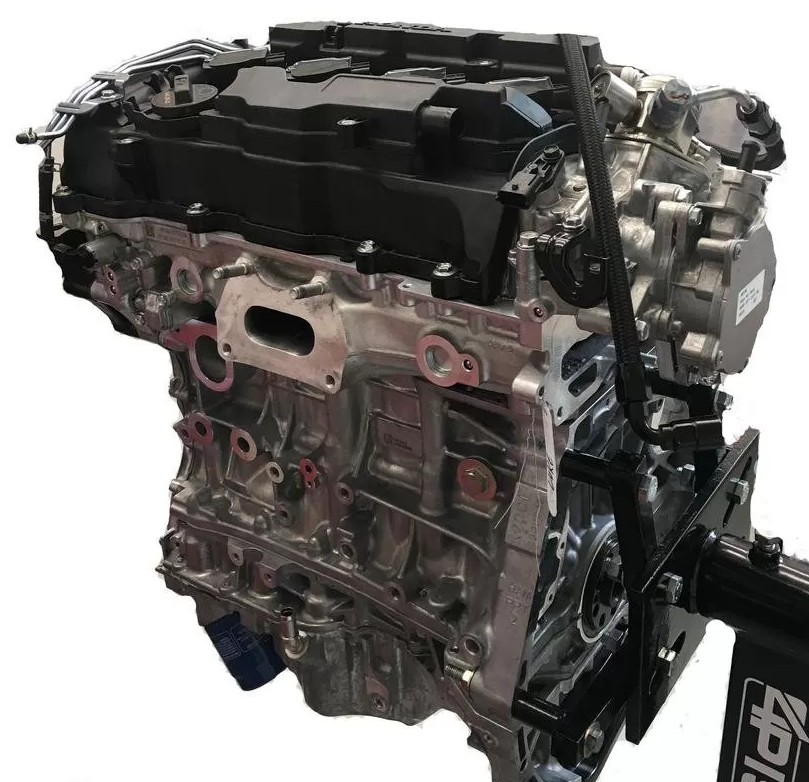
Core engineering features of the K20C3 include an all-aluminum cylinder block and cylinder head, contributing to reduced weight and improved thermal management. The valvetrain utilizes a dual overhead camshaft (DOHC) design with four valves per cylinder, driven by a durable timing chain designed for extended service life. Honda’s advanced i-VTEC system (intelligent Variable Valve Timing and Lift Electronic Control) is integrated, specifically incorporating Variable Timing Control (VTC) on both intake and exhaust camshafts. This dual VTC system precisely adjusts valve overlap and timing to optimize combustion efficiency and power output. Fuel delivery is handled by a high-pressure direct injection system, which atomizes fuel directly into the combustion chambers, enhancing fuel economy and reducing emissions. A single-scroll turbocharger is employed to boost intake air pressure, further contributing to the engine’s impressive power and torque figures.
The Acura K20C3 engine was primarily deployed in the third-generation Acura RDX, commencing with the 2019 model year. It served as the sole engine option across all trims of the RDX, including front-wheel-drive and Super Handling All-Wheel Drive (SH-AWD) variants, cementing its role as the powertrain for Acura’s critically acclaimed compact luxury SUV platform.
Technical Specifications
| Specification | Value |
|---|---|
| Displacement (cc) | 1996 cc |
| Max Power (hp (kW) @ RPM) | 272 hp (203 kW) @ 6500 rpm |
| Max Torque (Nm (kg*m) @ RPM) | 380 Nm (38.7 kg*m) @ 1600-4500 rpm |
| Fuel Type | Premium Unleaded (91+ RON recommended) |
| Fuel Consumption (l/100 km) | ~9.8 – 10.2 l/100 km (combined, AWD) |
| Engine Type | Turbocharged Inline-4, DOHC, i-VTEC, Direct Fuel Injection |
| Compression Ratio | 9.8:1 |
| Cylinder Bore (mm) | 86.0 mm |
| Piston Stroke (mm) | 86.0 mm |
| Valvetrain | DOHC, 16 valves, Chain-driven, Dual VTC |
| Valves per Cylinder | 4 |
| Additional Info | Aluminum alloy block and head, Single-scroll turbocharger, Electric wastegate |
Common Problems & Reliability
- Carbon Buildup on Intake Valves: As with many direct-injection (DI) engines, the K20C3 can experience carbon deposits on the intake valves over time. Since fuel is injected directly into the combustion chamber, it does not wash over the intake valves, allowing oil vapors from the PCV system to bake onto the valve stems and ports. This can lead to reduced airflow, decreased performance, and potential misfires if left unaddressed. Regular use of top-tier fuels and periodic fuel system cleaners can help mitigate this, but mechanical cleaning (walnut blasting) may be required at very high mileages.
- Turbocharger Longevity: While generally robust, the turbocharger unit, like any forced induction component, operates under extreme heat and pressure. Potential issues could include wear of the turbocharger bearings, wastegate actuator malfunction, or degradation of associated oil lines over very high mileage. Adherence to strict oil change intervals with specified synthetic oil is crucial for turbo longevity.
- Engine Mount Deterioration: Owners may report premature wear or softening of engine mounts, leading to increased cabin vibrations, particularly under acceleration or when idling in gear. This is often a maintenance item rather than a catastrophic failure, but replacement can improve driving comfort.
With proper maintenance, the Acura K20C3 engine is engineered for a long service life. An expected service life of 200,000 to 250,000 miles (320,000-400,000 km) before requiring a major overhaul is realistic for units that receive consistent and diligent care, including timely fluid changes and addressing minor issues promptly.
Maintenance Tips & Service Schedule
- Engine Oil & Filter: Adhere strictly to the manufacturer’s maintenance minder system. Generally, this translates to oil and filter changes every 5,000-7,500 miles (8,000-12,000 km) or annually, whichever comes first. Always use a full synthetic 0W-20 viscosity oil that meets Honda/Acura specifications to ensure proper lubrication of critical components, including the turbocharger.
- Spark Plugs: Replace iridium-tipped spark plugs approximately every 60,000-100,000 miles (100,000-160,000 km) as per manufacturer guidelines. This maintains optimal combustion efficiency and prevents misfires.
- Engine Air Filter: Inspect annually and replace every 15,000-30,000 miles (24,000-48,000 km) or more frequently in dusty conditions to ensure clean air intake and proper engine breathing.
- Coolant Flush: Perform a coolant system flush and refill with genuine Honda/Acura Long-Life Antifreeze/Coolant approximately every 100,000-120,000 miles (160,000-190,000 km).
- Timing Chain: The timing chain is designed to last the life of the engine under normal conditions. However, at very high mileages (e.g., beyond 150,000 miles or 240,000 km), it is prudent to have the chain tensioner and guides inspected during major service intervals for any signs of wear or noise.
- Fuel System Cleaner: Periodic use of a high-quality fuel system cleaner formulated for direct injection engines can help reduce the rate of carbon buildup on intake valves and keep fuel injectors clean.
Conclusion
The Acura K20C3 is a highly capable and generally reliable engine that leverages modern powertrain technologies to deliver strong performance and respectable efficiency within its class. For a used vehicle buyer, it represents a sound choice, provided the vehicle has a documented history of consistent and proper maintenance, particularly regarding oil changes and the use of premium fuel. While direct injection engines inherently face the challenge of carbon buildup, this is a manageable aspect through preventive measures and occasional specialized cleaning. Overall, the K20C3 continues Honda’s legacy of building durable and well-engineered powertrains, offering a compelling blend of power, refinement, and expected longevity in a used Acura RDX.