
Overview & Design Features
The Acura J35Y4 is a specific iteration of Honda’s widely acclaimed J-series V6 engine family, primarily recognized for its deployment in various Acura and Honda light trucks, SUVs, and minivans. Manufactured by Honda Motor Co., Ltd., this engine variant features a 3.5-liter (3471 cc) displacement and utilizes a single overhead camshaft (SOHC) V6 configuration. Introduced as a refined powerhouse for its respective platforms, the J35Y4 builds upon the J-series’ reputation for robust performance, smooth operation, and commendable fuel efficiency, establishing itself as a core component in the manufacturer’s lineup for premium utility vehicles.
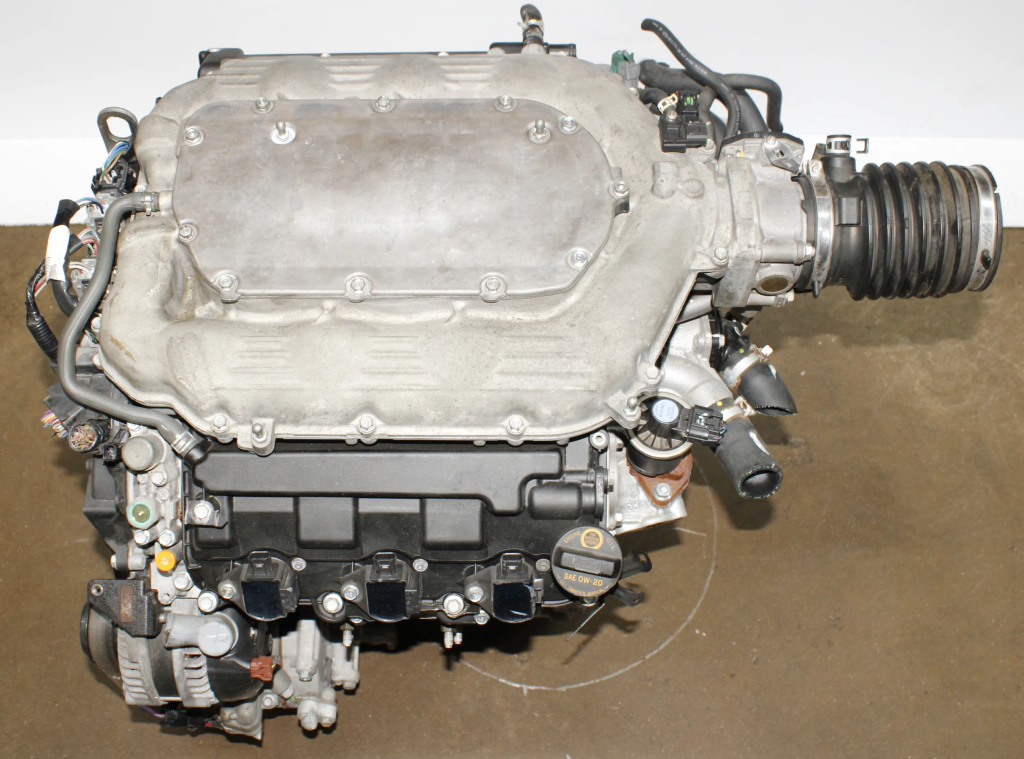
Engineering highlights of the J35Y4 include an all-aluminum cylinder block and cylinder heads, contributing to reduced weight and improved thermal management. It incorporates Honda’s advanced Programmed Fuel Injection (PGM-FI) system, utilizing direct injection technology for precise fuel delivery directly into the combustion chambers, optimizing both power output and fuel economy. The valvetrain features an intelligent Variable Valve Timing and Lift Electronic Control (i-VTEC) system, which dynamically adjusts valve timing and lift on the intake side. A key innovation for this specific engine is Variable Cylinder Management (VCM), which can deactivate cylinders under light load conditions to further enhance fuel efficiency, seamlessly transitioning between 3, 4, or 6-cylinder operation.
The J35Y4 engine was prominently deployed across a range of Honda and Acura vehicles, demonstrating its versatility and reliability in diverse applications. Key models include the 2016-2020 Acura MDX (3rd Generation), 2016-present Honda Pilot (3rd Generation), 2017-present Honda Ridgeline (2nd Generation), 2018-present Honda Odyssey (5th Generation), and 2019-present Honda Passport. This engine served as the standard V6 powertrain for these vehicles, providing consistent performance and efficiency across various trim levels.
Technical Specifications
| Displacement (cc) | 3471 |
| Max Power (hp (kW) @ RPM) | 280 (209) @ 6000 |
| Max Torque (Nm (kg*m) @ RPM) | 355 (36.2) @ 4700 |
| Fuel Type | Unleaded Gasoline (87 Octane Recommended) |
| Fuel Consumption (l/100 km) | Approximately 10.5 (Combined, Varies by Vehicle) |
| Engine Type | V6, SOHC, Naturally Aspirated |
| Compression Ratio | 11.5:1 |
| Cylinder Bore (mm) | 89.0 |
| Piston Stroke (mm) | 93.0 |
| Valvetrain | SOHC, i-VTEC |
| Valves per Cylinder | 4 (24 total) |
| Additional Info | Direct Injection (PGM-FI), Variable Cylinder Management (VCM), Aluminum Block & Heads |
Common Problems & Reliability
The Acura J35Y4 engine is generally regarded as a reliable and durable powerplant, capable of achieving high mileage with proper maintenance. However, certain issues related to its Variable Cylinder Management (VCM) system are documented. The most prominent concern is increased oil consumption, which can lead to fouled spark plugs, misfires, and premature wear on piston rings, particularly in the cylinders frequently deactivated by VCM. Prolonged oil consumption can also contribute to catalytic converter damage due to oil burning. Another common issue, less critical but worth noting, is the eventual need for timing belt replacement, a standard maintenance item for this SOHC design.
Despite these potential VCM-related challenges, the base mechanical design of the J35Y4 is robust. With diligent maintenance, including regular oil level checks and timely oil changes, and addressing VCM-related symptoms proactively, the engine can realistically achieve a service life exceeding 250,000 miles before requiring a major overhaul. Addressing VCM issues, sometimes through aftermarket disabling devices, can significantly mitigate long-term complications.
Maintenance Tips & Service Schedule
Proactive and consistent maintenance is crucial for the longevity and optimal performance of the J35Y4 engine. Oil changes are paramount; it is recommended to use full synthetic 0W-20 motor oil every 5,000 to 7,500 miles or as indicated by the vehicle’s Maintenance Minder system, whichever comes first. Regular oil level checks between intervals are advisable, especially for vehicles with higher mileage or known VCM oil consumption tendencies.
Spark plugs, typically iridium-tipped, should be replaced every 100,000 to 105,000 miles. The timing belt, a critical component, requires replacement every 105,000 miles or 7 years, along with the water pump and timing belt tensioner, to prevent catastrophic engine damage. Coolant flushes using Honda Type 2 coolant are recommended every 120,000 miles or 10 years. Air and cabin filters, brake fluid, and transmission fluid should be serviced according to the manufacturer’s specific intervals, usually indicated by the Maintenance Minder. For owners concerned about VCM-related issues, researching and considering aftermarket VCM disabling devices might be beneficial, as they can prevent cylinder deactivation and potentially reduce associated wear and oil consumption over the engine’s lifespan.
Conclusion
The Acura J35Y4 engine represents a strong contender for a used vehicle buyer seeking a balance of power, refinement, and fuel efficiency in an SUV, minivan, or truck platform. Its naturally aspirated V6 configuration, coupled with advanced VTEC and direct injection technologies, provides a smooth and capable driving experience. While the Variable Cylinder Management system has been associated with specific long-term issues like increased oil consumption, these problems are often manageable with vigilant maintenance and, if desired, aftermarket mitigation solutions. When properly cared for, including strict adherence to service intervals and proactive monitoring of oil levels, the J35Y4 is a reliably durable engine that can deliver many years of dependable service. A thorough pre-purchase inspection by a qualified mechanic is always recommended, with particular attention paid to the engine’s oil consumption history and the condition of the spark plugs and catalytic converters.