
Overview & Design Features
The Acura J35Z6 is a naturally aspirated 3.5-liter V6 engine, part of Honda’s renowned J-series engine family. Manufactured by Acura, Honda’s luxury division, this specific variant represents a refined iteration of the SOHC (Single Overhead Camshaft) VTEC architecture, known for its balance of power, smoothness, and reliability. Introduced in the late 2000s, the J35Z6 served as a flagship powerplant for several performance-oriented Acura models, continuing the J-series legacy of advanced V6 technology. Its design emphasizes efficient power delivery and refined operation, crucial for the premium market segment it served.
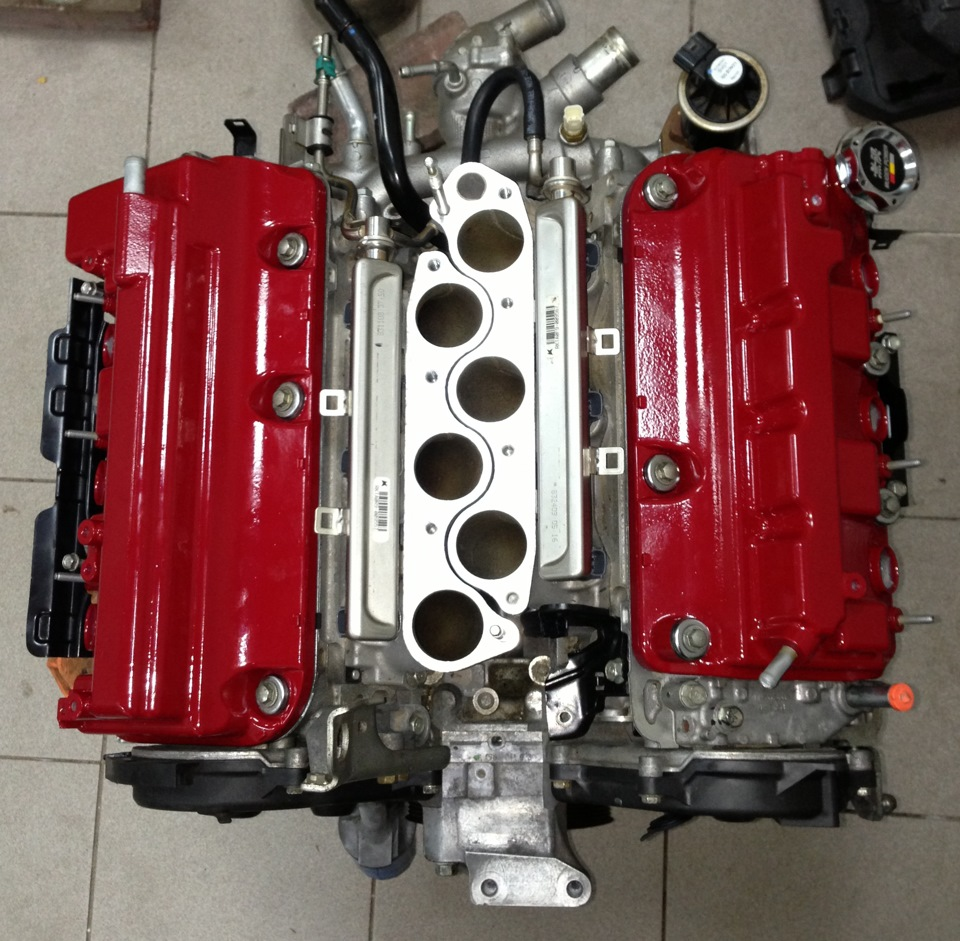
Constructed with an all-aluminum block and cylinder heads, the J35Z6 employs a lightweight yet rigid structure. The engine utilizes Honda’s Multi-Point Programmed Fuel Injection (PGM-FI) for precise fuel delivery. A cornerstone of its design is the sophisticated VTEC (Variable Valve Timing and Lift Electronic Control) system, which optimizes valve operation across the RPM range for improved torque at low speeds and increased horsepower at higher engine speeds. This SOHC VTEC system works in conjunction with a Drive-by-Wire (DBW) electronic throttle control, providing responsive and accurate engine management. Its compact 60-degree V-angle cylinder layout contributes to its smooth operation and ease of packaging within front-wheel-drive and all-wheel-drive platforms.
The J35Z6 engine was primarily deployed in the 4th generation Acura TL, specifically for the front-wheel-drive models manufactured from 2009 to 2014. It also powered the 2nd generation Acura TSX V6 model, produced between 2010 and 2014, offering a significant performance upgrade over the standard four-cylinder TSX. This engine variant was engineered to provide a blend of athletic performance and luxurious refinement, fitting the brand’s premium identity.
Technical Specifications
| Displacement (cc) | 3471 |
| Max Power (hp (kW) @ RPM) | 280 hp (209 kW) @ 6200 RPM |
| Max Torque (Nm (kg*m) @ RPM) | 344 Nm (35.1 kg*m) @ 5000 RPM |
| Fuel Type | Premium Unleaded (91+ RON) |
| Fuel Consumption (l/100 km) | ~10.2 (Combined, typical for TL FWD) |
| Engine Type | SOHC V6, Naturally Aspirated |
| Compression Ratio | 11.2:1 |
| Cylinder Bore (mm) | 89 |
| Piston Stroke (mm) | 93 |
| Valvetrain | SOHC, 4 valves per cylinder with VTEC |
| Valves per Cylinder | 4 |
| Additional Info | PGM-FI Multi-Point fuel injection, Drive-by-Wire, Aluminum block/heads |
Common Problems & Reliability
While the J35Z6 generally upholds the J-series reputation for robustness, specific areas warrant attention. One common issue involves the VTEC spool valve/solenoid assembly. Over time, the internal screens designed to filter oil can become clogged with debris or sludge, impeding oil flow and potentially causing erratic VTEC engagement, rough idle, or triggering “check engine” lights related to VTEC system malfunctions. Regular oil changes with quality lubricants are crucial to mitigate this. Another notable concern for some J-series engines, including the J35Z6, is a tendency for higher-than-average engine oil consumption, particularly as mileage accumulates. This can be attributed to worn piston rings or PCV valve issues. Monitoring oil levels frequently and topping up as necessary is essential to prevent low oil-related damage. Additionally, neglected maintenance of the timing belt components can lead to significant issues. The timing belt, along with its associated tensioner and idler bearings, is subject to wear. Failure of these components before their recommended service interval can result in catastrophic engine damage due to valve-to-piston contact. Under proper care and adherence to the manufacturer’s maintenance schedule, the Acura J35Z6 engine is renowned for its longevity, typically achieving a service life exceeding 250,000 miles (400,000 km) and often reaching over 300,000 miles (480,000 km) before requiring a major overhaul.
Maintenance Tips & Service Schedule
Optimal performance and extended service life of the J35Z6 engine rely heavily on adherence to a strict maintenance regimen.
- Engine Oil: The use of high-quality synthetic 5W-20 or 0W-20 engine oil is recommended. Oil and filter changes should be performed every 5,000-7,500 miles (8,000-12,000 km), or as indicated by the vehicle’s Maintenance Minder system, whichever comes first.
- Spark Plugs: Factory-specified iridium-tipped spark plugs require replacement typically every 105,000 miles (168,000 km).
- Timing Belt Service: This is a critical maintenance item. The timing belt, water pump, tensioner, and idler pulleys must be replaced together every 105,000 miles (168,000 km) or every 7 years, whichever occurs first. Neglecting this service significantly increases the risk of severe engine damage.
- Coolant Flush: The engine coolant (Honda Type 2 blue) should be drained and refilled every 5 years or 100,000 miles (160,000 km).
- Valve Adjustment: While not a strictly regular interval for all drivers, checking valve clearances is advisable during major service intervals or if abnormal valvetrain noise is detected. This ensures optimal engine breathing and prevents potential issues.
- PCV Valve: Inspection and replacement of the Positive Crankcase Ventilation (PCV) valve every 60,000 miles (96,000 km) can help prevent excessive oil consumption and sludge buildup.
Conclusion
The Acura J35Z6 engine stands as a testament to Honda’s engineering prowess, offering a compelling blend of power, refinement, and durability. For a used vehicle buyer, this engine generally represents a safe and reliable choice, provided its critical maintenance history is well-documented and adhered to, particularly the timing belt service. Its proven SOHC VTEC design delivers a smooth powerband and respectable fuel economy for its class. While specific minor issues like VTEC spool valve clogging or oil consumption may arise with age, these are often manageable with proactive maintenance. Overall, a well-maintained J35Z6-powered vehicle can offer many years and miles of dependable operation.