
Overview & Design Features
The Acura K20C6 is a highly advanced, turbocharged 2.0-liter (1996 cc) inline-four engine, a prominent member of Honda’s K-series engine family. Specifically engineered for performance luxury applications, this powerplant made its debut in 2021, powering the high-performance Acura TLX Type S. It represents a significant evolution within the K-series lineage, incorporating forced induction and sophisticated valvetrain technology to deliver a potent blend of power, responsiveness, and refined operation, setting a new benchmark for Acura’s 2.0-liter offerings in the luxury sport segment.
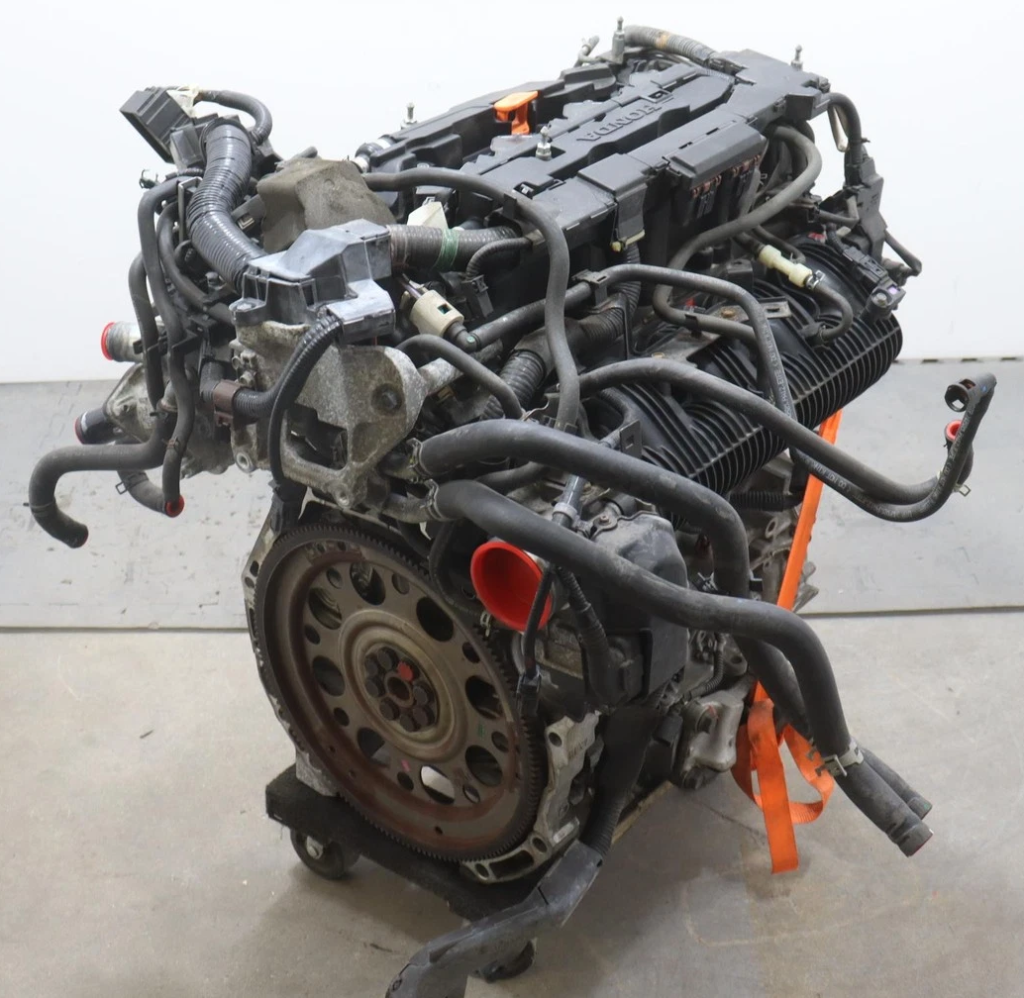
At its core, the K20C6 features an all-aluminum cylinder block and cylinder head, optimized for lightweight and efficient heat dissipation. It utilizes a direct injection (DI) fuel system, precisely atomizing fuel directly into the combustion chambers for improved efficiency, power output, and reduced emissions. A key technological highlight is the implementation of Honda’s renowned i-VTEC (intelligent Variable Valve Timing and Lift Electronic Control) system, which continuously adjusts valve timing and lift on both intake and exhaust camshafts. This is paired with a single-scroll turbocharger, integrated into the exhaust manifold, designed to minimize turbo lag and deliver a broad, flat torque curve across the RPM range.
The K20C6 engine is exclusively deployed in the high-performance variant of Acura’s luxury sport sedan. Its primary application is found in the 2021-present Acura TLX Type S, where it serves as the sole engine option, showcasing its capabilities in a premium, performance-oriented package designed to compete within the compact executive car segment.
Technical Specifications
| Displacement (cc) | 1996 |
| Max Power (hp (kW) @ RPM) | 355 (265) @ 6500 |
| Max Torque (Nm (kg*m) @ RPM) | 480 (48.9) @ 2600-5000 |
| Fuel Type | Premium Unleaded (91+ octane recommended) |
| Fuel Consumption (l/100 km) | 11.2 (combined estimate) |
| Engine Type | Inline 4-cylinder, DOHC, Turbocharged, VTEC, Direct Injection |
| Compression Ratio | 9.8:1 |
| Cylinder Bore (mm) | 86.0 |
| Piston Stroke (mm) | 85.9 |
| Valvetrain | DOHC i-VTEC, Chain-driven |
| Valves per Cylinder | 4 (16 total) |
| Additional Info | Aluminum block & head, forged crankshaft, variable cam timing, integrated exhaust manifold turbocharger |
Common Problems & Reliability
The K20C6 engine is generally regarded as robust and reliable, benefiting from Honda’s extensive engineering experience. However, common characteristics of modern direct injection turbocharged engines can present specific considerations. One notable concern is the potential for carbon buildup on intake valves. As fuel is injected directly into the combustion chamber and bypasses the intake valves, detergents in gasoline do not wash over the valve stems, leading to carbon accumulation over time. This can restrict airflow and reduce engine efficiency or power if left unaddressed. Regular preventative maintenance and potentially periodic manual cleaning (walnut blasting) are advisable.
Another area for consideration involves the high-pressure fuel pump (HPFP), a critical component of direct injection systems. While generally reliable, an HPFP failure can lead to fuel delivery issues, rough running, and fault codes. Symptoms include reduced power and hesitation. Furthermore, given its turbocharged nature and high power output, diligent monitoring of oil consumption is recommended, particularly at higher mileages, as turbochargers can contribute to increased oil usage over time if seals degrade. Regular oil level checks are essential to prevent oil starvation, which can have severe consequences for internal engine components and the turbocharger itself.
Under proper and consistent maintenance, including the use of manufacturer-recommended fluids and service intervals, the Acura K20C6 engine is engineered for longevity. An expected service life of 250,000 kilometers (approximately 155,000 miles) or more before requiring a major overhaul is a realistic expectation, aligning with Honda’s reputation for durable powertrains.
Maintenance Tips & Service Schedule
Optimal performance and longevity of the K20C6 engine depend heavily on adherence to a strict maintenance schedule. Regular engine oil changes are paramount, utilizing a full synthetic oil with a viscosity rating of 0W-20 or 5W-30, as specified by the manufacturer. Service intervals should follow the vehicle’s Maintenance Minder system or occur every 7,500 to 10,000 kilometers (4,500-6,000 miles), whichever comes first. Given the direct injection system, it is advisable to use high-quality fuels and, if possible, consider fuel system cleaners that target direct injection systems periodically.
Spark plugs typically require replacement every 60,000 to 100,000 kilometers (37,500-60,000 miles), depending on driving conditions and manufacturer recommendations. The engine utilizes a robust timing chain, designed for the life of the engine under normal conditions; however, inspection for excessive stretch or wear is prudent during major services around 150,000-200,000 kilometers. The coolant system should be flushed and refilled with genuine Honda/Acura long-life coolant every 200,000 kilometers or 10 years initially, then every 100,000 kilometers or 5 years thereafter. Regular inspection and replacement of the engine air filter (typically every 30,000-50,000 kilometers) and cabin air filter contribute to engine health and passenger comfort. Adhering to these guidelines helps mitigate potential issues and ensures the K20C6 performs as intended for an extended period.
Conclusion
The Acura K20C6 engine represents a highly capable and generally reliable powerplant, particularly when found in the Acura TLX Type S. Its advanced engineering, including direct injection, i-VTEC, and turbocharging, delivers impressive power and refinement for a 2.0-liter unit. For a used vehicle buyer, this engine can be considered a safe and robust choice, provided that its service history reflects diligent adherence to manufacturer-specified maintenance schedules. Regular oil changes with synthetic oil, attention to carbon buildup prevention, and proactive care for its advanced systems are key to unlocking its full long-term potential. With proper care, the K20C6 is poised to offer a compelling blend of performance and durability.