
Overview & Design Features
The Acura K23A1 is a significant turbocharged inline four-cylinder engine produced by Honda for its premium Acura division. Part of the acclaimed K-series family, known for its robust engineering and performance potential, the K23A1 stands out as one of the few factory-turbocharged variants in the series. Introduced in 2007, this 2.3-liter (2300cc) engine represented a distinct evolution within Honda’s powertrain strategy, combining the efficiency of a smaller displacement with the power delivery traditionally associated with larger, naturally aspirated units, particularly for the burgeoning compact luxury SUV segment.
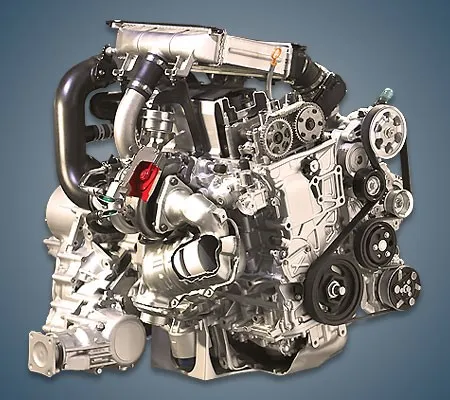
Engineered with a lightweight yet rigid aluminum alloy cylinder block and head, the K23A1 features a direct injection fuel system, a first for a mass-produced Honda engine in North America, which significantly contributes to both fuel efficiency and power output. Its core technology is augmented by Honda’s signature i-VTEC (intelligent Variable Valve Timing and Lift Electronic Control) system, which precisely controls valve timing and lift on both intake and exhaust camshafts to optimize combustion across the RPM range. A fixed-geometry turbocharger with an intercooler is integrated to provide forced induction, delivering peak torque at relatively low engine speeds and a broad power band. The engine also incorporates a drive-by-wire throttle system and a sophisticated engine management unit for refined control.
The K23A1 engine was specifically developed for and deployed exclusively in the first-generation Acura RDX. It powered all trims of the compact luxury SUV from its introduction in the 2007 model year through its discontinuation after the 2012 model year. This application marked a pivotal moment for Acura, as it was the brand’s first foray into the compact luxury crossover market with a turbocharged powertrain, setting a precedent for future models.
Technical Specifications
| Specification | Value |
|---|---|
| Displacement (cc) | 2300 |
| Max Power (hp (kW) @ RPM) | 240 (179) @ 6000 |
| Max Torque (Nm (kg*m) @ RPM) | 350 (35.7) @ 4500 |
| Fuel Type | Premium Unleaded (91+ RON recommended) |
| Fuel Consumption (l/100 km) | ~11.2 (Combined, varying with driving conditions) |
| Engine Type | Inline 4-cylinder, DOHC, Turbocharged, i-VTEC |
| Compression Ratio | 8.8:1 |
| Cylinder Bore (mm) | 86 |
| Piston Stroke (mm) | 99 |
| Valvetrain | Chain-driven Dual Overhead Camshaft (DOHC) |
| Valves per Cylinder | 4 |
| Additional Info | Turbocharged with intercooler, i-VTEC variable valve timing and lift, Direct Injection |
Common Problems & Reliability
- Turbocharger Issues: The integrated turbocharger, while robust, can develop issues over time, particularly in vehicles with inconsistent oil change history. Common problems include wastegate rattle, oil leaks, and premature bearing wear due to oil coking. Regular use of appropriate synthetic oil is crucial for turbo longevity.
- Variable Valve Timing Control (VTC) Actuator: A common K-series characteristic, the VTC actuator on the K23A1 can sometimes produce a grinding noise during cold starts. This is often attributed to oil drain-back issues within the actuator, leading to momentary oil pressure loss. While not always immediately catastrophic, it indicates wear and should be addressed to prevent potential timing chain stress.
- Carbon Buildup on Intake Valves: As a direct-injected engine, the K23A1 is susceptible to carbon deposits accumulating on the intake valves. Without the fuel washing over the valves, these deposits can restrict airflow, leading to reduced performance, misfires, and decreased fuel economy. Periodic intake valve cleaning (e.g., walnut blasting) may be required at higher mileages.
With proper and diligent maintenance, including adherence to recommended service intervals and the exclusive use of high-quality synthetic lubricants, the K23A1 engine can achieve a realistic service life exceeding 250,000 kilometers (150,000 miles) before requiring major overhaul. Neglect, however, can significantly shorten this lifespan, particularly for the turbocharger.
Maintenance Tips & Service Schedule
- Engine Oil and Filter: Perform oil and filter changes every 8,000 to 12,000 kilometers (5,000-7,500 miles) or every 6 months, whichever comes first. Use only high-quality full synthetic 5W-30 engine oil that meets Honda’s specifications. Due to the turbocharger, frequent oil changes are paramount to prevent oil coking and ensure turbo longevity.
- Spark Plugs: Replace iridium-tipped spark plugs approximately every 100,000 to 160,000 kilometers (60,000-100,000 miles). Adhere to the manufacturer’s specified spark plug type and gap.
- Timing Chain: The K23A1 utilizes a timing chain designed for the life of the engine. However, it is prudent to have the chain, tensioner, and guides inspected at around 150,000 to 200,000 kilometers (90,000-120,000 miles) for any signs of wear or stretch, particularly if VTC actuator issues are present.
- Coolant Flush: Flush and replace engine coolant every 5 years or 100,000 kilometers (60,000 miles) with Honda’s specified coolant.
- Air Filter: Inspect the engine air filter at every oil change and replace it every 25,000 to 50,000 kilometers (15,000-30,000 miles) or annually, depending on driving conditions, to maintain optimal airflow to the turbocharger.
- Fuel System Cleaning: Consider periodic fuel system cleaner treatments designed for direct injection engines to help mitigate carbon buildup. Walnut blasting or similar mechanical cleaning of intake valves may be necessary at very high mileages.
Conclusion
The Acura K23A1 engine, while advanced for its time with direct injection and turbocharging, represents a generally robust and reliable powertrain when properly maintained. Its spirited performance makes the first-generation Acura RDX an engaging vehicle. For a used vehicle buyer, the K23A1 can be a safe and enjoyable choice, provided there is a verifiable history of diligent maintenance, especially regarding oil changes with premium synthetic oil. Thorough pre-purchase inspection should specifically check for turbocharger condition, VTC actuator noise, and signs of significant carbon buildup to ensure long-term satisfaction.