
Overview & Design Features
The Acura C35A engine is a significant powertrain developed by Honda for its luxury Acura division, specifically designed to propel the second-generation Acura Legend Type II models. Introduced in 1993, this engine represented an evolution in Honda’s C-series V6 architecture, increasing displacement from the C32A to 3.5 liters (3474 cc). It was notable for being the largest displacement engine offered by Acura at the time of its release, signifying a move towards enhanced performance and luxury for the Legend lineup.
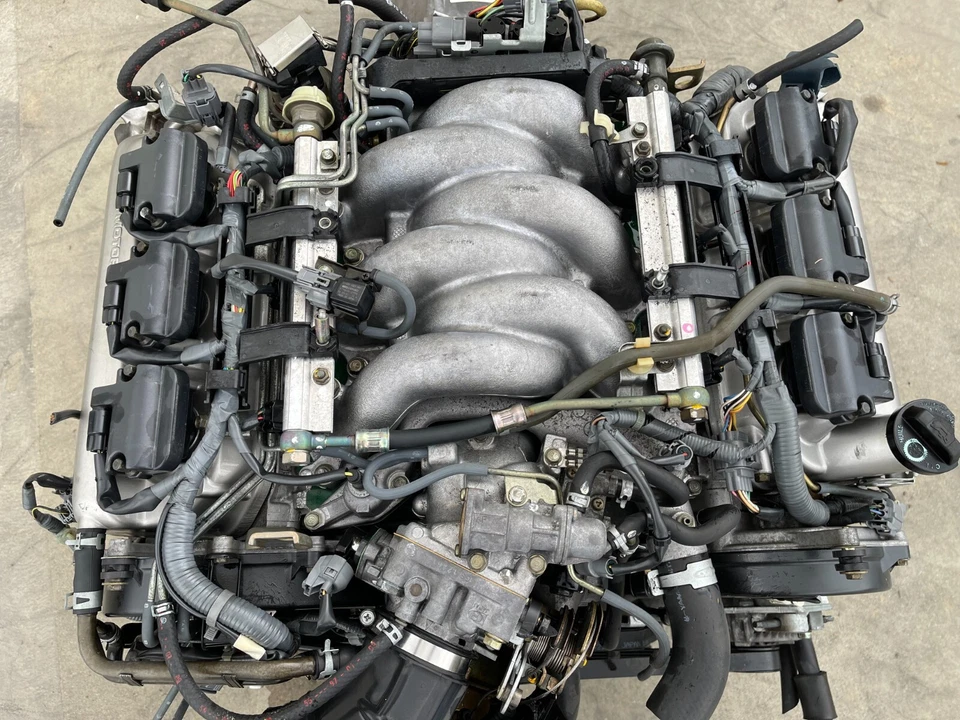
Engineered with performance and refinement in mind, the C35A features an all-aluminum cylinder block and cylinder heads, contributing to reduced overall engine weight and improved heat dissipation. The block incorporates cast-iron cylinder liners for durability. This V6 powerplant utilizes a Single OverHead Camshaft (SOHC) design for each cylinder bank, with four valves per cylinder, totaling 24 valves. Fuel delivery is managed by Honda’s Programmed Fuel Injection (PGM-FI) multi-point electronic fuel injection system, ensuring precise fuel metering and efficient combustion. Unlike later Honda V6 engines, the C35A does not incorporate VTEC variable valve timing technology, relying on its well-engineered SOHC valvetrain for a broad powerband.
The C35A engine was exclusively deployed in the higher-performance “Type II” variants of the second-generation Acura Legend. Specifically, it powered the 1993-1995 Acura Legend LS and L sedan models and the 1993-1995 Acura Legend L and LS coupe models. This engine differentiated these trims with increased horsepower and torque compared to the standard C32A-equipped Legends, cementing their position as premium sport-luxury offerings.
Technical Specifications
| Specification | Value |
|---|---|
| Displacement (cc) | 3474 |
| Max Power (hp (kW) @ RPM) | 230 (172) @ 6200 |
| Max Torque (Nm (kg*m) @ RPM) | 289 (29.5) @ 5000 |
| Fuel Type | Premium Unleaded (91+ RON) |
| Fuel Consumption (l/100 km) | Approximately 11-13 (combined, depending on driving conditions and transmission) |
| Engine Type | SOHC V6, 24-valve |
| Compression Ratio | 9.6:1 |
| Cylinder Bore (mm) | 90.0 |
| Piston Stroke (mm) | 91.0 |
| Valvetrain | Single OverHead Camshaft (SOHC) per bank |
| Valves per Cylinder | 4 |
| Additional Info | All-aluminum block and heads, cast iron cylinder liners, multi-point electronic fuel injection (PGM-FI) |
Common Problems & Reliability
The Acura C35A engine is generally regarded as a robust and reliable powerplant, typical of Honda’s engineering standards from its era. However, like any engine of its age and design, certain common issues may arise.
- Oil Leaks: Valve cover gaskets, oil pan gaskets, and distributor O-rings are prone to hardening and leaking over time. The rear main seal can also develop leaks, which are more involved to address. Regular inspection for oil seepage is recommended.
- Timing Belt Service: The C35A is an interference engine, meaning piston-to-valve contact will occur if the timing belt breaks. Neglecting the factory-recommended timing belt replacement interval can lead to catastrophic engine damage. Water pump, tensioner, and idler pulleys should always be replaced concurrently with the timing belt.
- Distributor-Related Issues: As an older design utilizing a distributor ignition system, issues such as failing distributor O-rings (leading to oil leaks), worn distributor bearings, or failing internal igniters can cause misfires, rough running, or no-start conditions.
- EGR System Clogging: Over extended mileage, the Exhaust Gas Recirculation (EGR) valve and passages can become partially or completely clogged with carbon deposits, leading to rough idle, hesitation, or poor fuel economy. Periodic cleaning can mitigate this.
Under proper and diligent maintenance, the Acura C35A engine exhibits an impressive service life. It is common for these engines to exceed 250,000 miles (approximately 400,000 kilometers) before requiring a major overhaul, with many examples surpassing 300,000 miles (480,000 kilometers).
Maintenance Tips & Service Schedule
Optimal longevity and performance from the C35A engine depend on adherence to a strict maintenance regimen.
- Engine Oil: Utilize a high-quality synthetic or conventional 5W-30 engine oil. Replace the oil and filter every 5,000-7,500 kilometers (3,000-5,000 miles) or every 6 months, whichever comes first. Regular oil analysis can help optimize intervals.
- Spark Plugs: Replace platinum-tipped spark plugs every 100,000-160,000 kilometers (60,000-100,000 miles). Use genuine Honda/Acura or equivalent OEM-grade parts.
- Timing Belt Service: This is a critical service item. The timing belt, water pump, timing belt tensioner, and idler pulleys must be replaced every 168,000 kilometers (105,000 miles) or every 7 years, whichever occurs first. Inspections should occur regularly after 90,000 km.
- Coolant: Flush and replace the engine coolant every 60,000-90,000 miles (100,000-150,000 kilometers) or every 3-5 years, using Honda Type 2 long-life coolant or a compatible high-quality ethylene glycol-based coolant.
- Air Filter: Inspect the engine air filter at every oil change and replace it annually or every 20,000-30,000 kilometers (12,000-18,000 miles), or more frequently in dusty environments.
- Fuel Filter: Replace the fuel filter every 60,000-100,000 kilometers (40,000-60,000 miles) to ensure optimal fuel system performance and protect injectors.
- Valve Lash Adjustment: While not as frequent as older designs, inspecting and adjusting valve clearances every 100,000-150,000 kilometers (60,000-90,000 miles) can maintain optimal engine efficiency and quiet operation.
Conclusion
The Acura C35A engine, found in the second-generation Legend Type II, stands as a testament to Honda’s commitment to durability and refined performance. Its robust construction and straightforward SOHC design contribute to its high reliability. For a used vehicle buyer, an Acura Legend equipped with a C35A engine represents a potentially excellent choice, provided the vehicle has a documented history of consistent maintenance, especially regarding the crucial timing belt service. With proactive care and adherence to the recommended service schedule, this engine offers a comfortable and powerful driving experience with the potential for many years and kilometers of reliable service.