
Overview & Design Features
The Acura K24W7 is a naturally aspirated, 2.4-liter (2356 cc) inline-four gasoline engine, developed by Honda Motor Co. for its luxury Acura division. It represents an advanced iteration within the highly regarded K-series engine family, known for its balance of performance, efficiency, and reliability. This specific variant was primarily engineered to power the entry-level models of a premium sports sedan, showcasing Honda’s commitment to sophisticated powertrain technology in a refined package. Its introduction marked a significant step in offering direct-injected i-VTEC performance for the Acura brand.
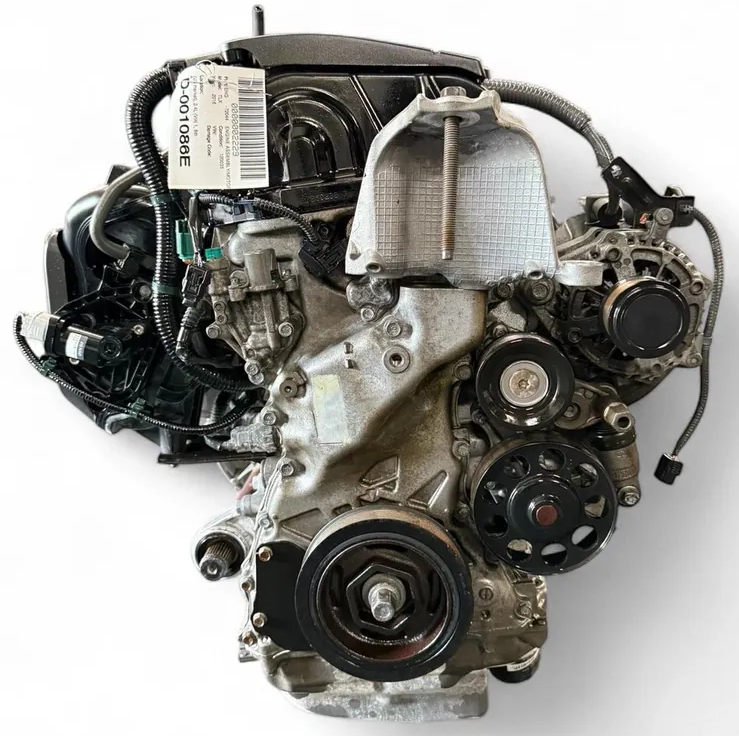
At its core, the K24W7 features an all-aluminum construction for both its cylinder block and dual overhead camshaft (DOHC) cylinder head, contributing to optimal weight distribution and thermal management. A key technological highlight is the implementation of direct fuel injection, which enhances fuel atomization and combustion efficiency compared to traditional port-injected K-series engines. Furthermore, it incorporates Honda’s proprietary Intelligent Variable Valve Timing and Lift Electronic Control (i-VTEC) system, applied to both the intake and exhaust camshafts. This sophisticated system allows for continuous adjustment of valve timing and lift, optimizing engine performance across the entire RPM range for improved power delivery, fuel economy, and reduced emissions. High compression ratio further contributes to its efficiency.
The Acura K24W7 engine was exclusively deployed in the Acura TLX sedan. Specifically, it powered the front-wheel-drive (FWD) 2.4L models from its introduction in the 2015 model year through its discontinuation in 2020. This engine served as the base powertrain option for the TLX, offering a compelling blend of responsiveness and efficiency for the luxury sedan segment.
Technical Specifications
| Displacement (cc) | 2356 |
| Max Power (hp (kW) @ RPM) | 206 (153) @ 6800 |
| Max Torque (Nm (kg*m) @ RPM) | 247 (25.2) @ 4500 |
| Fuel Type | Premium Unleaded (91+ RON recommended) |
| Fuel Consumption (l/100 km) | ~8.4 (Combined for TLX 2.4 FWD) |
| Engine Type | Inline 4-cylinder, DOHC, i-VTEC, Direct Injection |
| Compression Ratio | 11.6:1 |
| Cylinder Bore (mm) | 87 |
| Piston Stroke (mm) | 99 |
| Valvetrain | DOHC, Chain-driven |
| Valves per Cylinder | 4 |
| Additional Info | Aluminum block and head, drive-by-wire throttle |
Common Problems & Reliability
The Acura K24W7 generally maintains the strong reputation for reliability associated with the Honda K-series. However, as a direct-injected engine, it is susceptible to specific issues. Carbon buildup on intake valves is a potential concern, a common characteristic of all direct injection engines that do not benefit from the “washing” effect of fuel passing over the intake valves. This buildup can lead to reduced airflow, decreased performance, and rough idle over extended mileage if not addressed. Another observed issue, albeit less frequent than in earlier K-series generations, can be a characteristic VTC (Variable Timing Control) actuator rattle or noise during cold starts, often attributed to oil pressure bleed-down. While generally not catastrophic, it can be indicative of wear. Furthermore, some high-mileage examples may exhibit a slight increase in oil consumption, which typically remains within acceptable operational parameters. With diligent maintenance, the K24W7 engine is engineered for a robust service life, commonly exceeding 200,000 miles (320,000 km) before requiring major internal overhauls.
Maintenance Tips & Service Schedule
Maintaining the Acura K24W7 engine according to manufacturer specifications is crucial for ensuring its longevity and optimal performance. Regular oil changes are paramount, utilizing a high-quality synthetic 0W-20 motor oil. The recommended interval is typically guided by the vehicle’s Maintenance Minder system, but generally falls between 7,500 to 10,000 miles (12,000 to 16,000 km) or annually, whichever comes first. To mitigate carbon buildup, the use of high-quality gasoline with detergent additives is recommended, and occasional professional intake manifold cleaning may be considered at higher mileages. Spark plugs, specifically iridium-tipped types, typically require replacement around 100,000 miles (160,000 km). The engine utilizes a robust timing chain, which is designed to last the life of the engine and generally does not require periodic replacement; however, inspection for noise or slack is advisable during major service intervals after significant mileage. The coolant should be replaced with Honda Type 2 long-life coolant every 120,000 miles (190,000 km) or 10 years. Adherence to these service guidelines will help preserve the engine’s intended operational characteristics.
Conclusion
The Acura K24W7 engine stands as a testament to Honda’s engineering prowess, delivering a highly refined and efficient powertrain for the Acura TLX. Its combination of direct injection and i-VTEC technology provides a compelling balance of power delivery and fuel economy, making it a strong performer in its class. For a used vehicle buyer, the K24W7 is generally considered a safe and reliable choice, provided the vehicle has a documented history of consistent and proper maintenance. While potential issues like carbon buildup and VTC actuator noise exist, they are manageable with proactive care and are not typically severe. Overall, the K24W7 offers a durable and enjoyable driving experience, representing a dependable option within the used luxury sedan market.