
The 1.8-liter Volkswagen CDAB 1.8 TSI turbocharged engine was manufactured between 2009 and 2018, but it was only fitted to the German company’s models with modifications for emerging markets. A comparable CDAA motor with a different firmware for Euro 4 is not the same as this power unit.
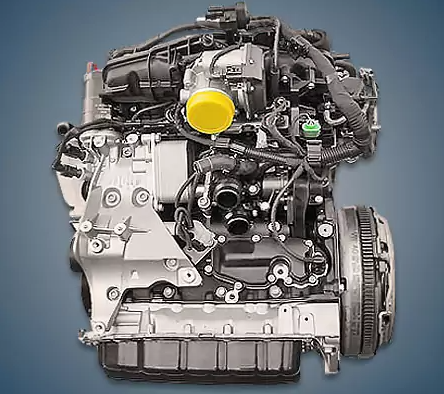
CDAA, CDAB, CDHA, CDHB, CCZA, CCZB, CCZC, CCZD, CDNB, CDNC, CAEA, and CAEB are all part of the EA888 gen2 series.
A new line of units has emerged as a result of the EA888 gen2 family’s engines being modernized. The timing chain drive, the phase regulator on the intake shaft, the aluminum 16-valve cylinder head with hydraulic lifters, and the cast-iron block all stayed the same, but the connecting rod and piston group are already brand-new. The oil burn is caused by thin oil scraper rings and lightweight pistons.
The CDAB modification, which was developed especially for developing nations, is different from its European counterpart with the CDAA index in firmware and exhaust design simplifications. This makes the engine less demanding on fuel quality, but it has less power (152 horsepower instead of 160) and a simpler environmental class (EURO 4 instead of EURO 5).
Specifications
| Production years | 2009-2018 |
| Displacement, cc | 1798 |
| Fuel system | direct injection |
| Power output, hp | 152 |
| Torque output, Nm | 250 |
| Cylinder block | cast iron R4 |
| Block head | aluminum 16v |
| Cylinder bore, mm | 82.5 |
| Piston stroke, mm | 84.2 |
| Compression ratio | 9.6 |
| Features | DOHC |
| Hydraulic lifters | yes |
| Timing drive | chain |
| Phase regulator | on the intake shaft |
| Turbocharging | yes |
| Recommended engine oil | 5W-30, 5W-40 |
| Engine oil capacity, liter | 4.6 |
| Fuel type | petrol |
| Euro standards | EURO 4 |
| Fuel consumption, L/100 km (for VW Passat 2012) — city — highway — combined |
9.7 5.4 7.0 |
| Engine lifespan, km | ~200 000 |
| Weight, kg | 144 |
The engine was installed on:
- Volkswagen Passat B7 (36) in 2010 – 2015;
- Volkswagen Passat CC (35) in 2009 – 2016;
- Skoda Octavia 2 (1Z) in 2009 – 2013;
- Skoda Superb 2 (3T) in 2010 – 2015;
- Skoda Yeti 1 (5L) in 2009 – 2018.
Disadvantages of the VW CDAB engine
The unit started consuming oil right away due to the use of a lightweight connecting rod, piston group, and rings of an unsuccessful design, and consumption increased with mileage. The engine’s oil burner could not be defeated until the very end of the release, despite the manufacturer continuously releasing new pistons. The AF series was replaced by BM and then BN. Many chose to buy pistons from different manufacturers in order to solve the issue.
The engine’s internal components quickly become coked as a result of the continuous oil waste. He is particularly sensitive to carbon buildup on the intake dampers and valves. These procedures are the primary causes of the unit’s erratic operation.
The metal timing chain, which typically ends with its jump and sixteen bent valves, has a small resource and is pulled out rather quickly. The hydraulic tensioner is the gas distribution mechanism’s second weak point. As a result, after parking in gear, the chain can jump without stretching.
Owners of vehicles with such engines frequently sniff the oil dipstick because it is highly likely that an expensive high-pressure fuel pump will need to be replaced if there is a gasoline odor.
Water pumps, oil pumps, and ignition coils don’t have the best resources. Lubricant leaks occur when the crankcase ventilation system becomes clogged.