
Overview & Design Features
The Infiniti VG33E is a 3.3-liter (3275 cc) SOHC V6 engine, part of Nissan’s venerable VG family, which saw widespread use across various Nissan and Infiniti platforms. Introduced in 1996, it succeeded the VG30E and was specifically engineered to provide increased displacement and torque for light trucks and SUVs. This engine is renowned for its robust construction, relative simplicity, and a reputation for reliability, serving as a dependable workhorse in challenging applications.
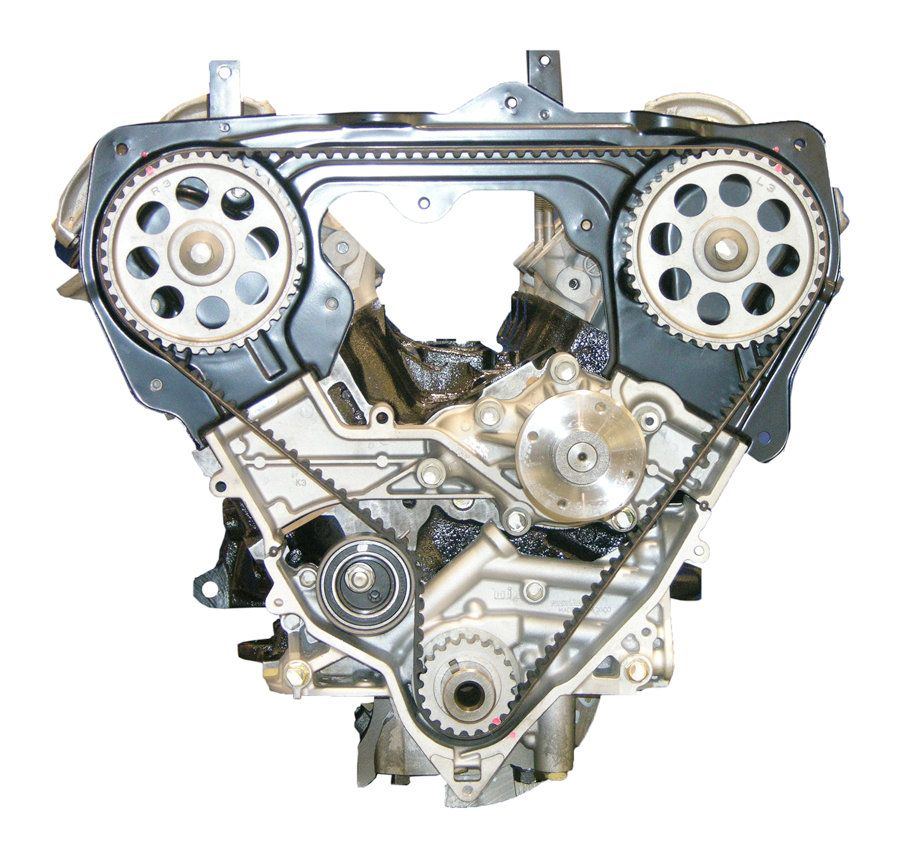
Engineered for durability, the VG33E features a cast iron cylinder block, known for its strength and heat dissipation properties, coupled with aluminum cylinder heads. This combination contributes to the engine’s long-term resilience under varying operating conditions. Fuel delivery is managed by a multi-point electronic fuel injection (MPFI) system, ensuring precise fuel metering for optimal combustion efficiency. The valvetrain employs a single overhead camshaft (SOHC) design per cylinder bank, actuating two valves per cylinder, which prioritizes low-end torque and straightforward maintenance over high-RPM power output.
Within the Infiniti lineup, the VG33E engine was prominently deployed in the Infiniti QX4 (JR50 chassis) from its introduction in 1997 through to 2000. During this period, it served as the sole engine option, providing the luxury SUV with adequate power for both on-road and off-road excursions. Its application also extended to several Nissan vehicles, including the Pathfinder, Frontier pickup truck, Xterra SUV, and Quest minivan, highlighting its versatility and Nissan’s confidence in the design.
Technical Specifications
| Displacement (cc) | 3275 |
| Max Power (hp (kW) @ RPM) | 170 hp (127 kW) @ 4800 RPM |
| Max Torque (Nm (kg*m) @ RPM) | 271 Nm (27.6 kg*m) @ 2800 RPM |
| Fuel Type | Unleaded Gasoline |
| Fuel Consumption (l/100 km) | Typically 13-16 L/100 km (combined, vehicle dependent) |
| Engine Type | V6, Naturally Aspirated |
| Compression Ratio | 9.0:1 |
| Cylinder Bore (mm) | 91.5 |
| Piston Stroke (mm) | 83.0 |
| Valvetrain | SOHC (Single Overhead Camshaft per bank) |
| Valves per Cylinder | 2 (1 Intake, 1 Exhaust) |
| Additional Info | Cast Iron Block, Aluminum Heads, Multi-Point Electronic Fuel Injection |
Common Problems & Reliability
The Infiniti VG33E is generally recognized for its robust construction and high reliability, a testament to its conservative design principles. However, like any engine of its vintage, certain areas require attention, particularly as mileage accumulates. A common issue involves the knock sensor, which is positioned within the engine’s “V” and can be challenging to access. Failure of this sensor often results in a check engine light and the engine operating in a reduced power mode due to ignition timing retardation, safeguarding against detonation.
Another frequently encountered problem involves exhaust manifold cracking. Due to repeated heat cycling over many years, the cast iron manifolds can develop cracks, leading to audible exhaust leaks, often manifesting as a ticking sound, particularly when the engine is cold. While not typically a critical failure, it can affect emissions and exhaust system integrity. Furthermore, age-related gasket and seal degradation can lead to minor oil leaks from the valve covers, oil pan, and less commonly, the rear main seal. These are generally manageable issues but necessitate proactive monitoring and timely replacement.
With diligent maintenance and proper care, the VG33E engine commonly achieves service lives exceeding 200,000 miles (320,000 km) before requiring major overhaul. Examples reaching 300,000 miles (480,000 km) are not uncommon, underscoring its inherent durability.
Maintenance Tips & Service Schedule
Maintaining the VG33E engine properly is critical for achieving its renowned longevity. Adherence to manufacturer-recommended service intervals, or slightly more frequent intervals for older engines, is advised:
- Engine Oil & Filter: Replace every 3,000-5,000 miles (5,000-8,000 km) or every 6 months, using conventional or synthetic-blend 5W-30 or 10W-30 oil. Regular oil changes are paramount to prevent sludge buildup and reduce wear.
- Timing Belt: The VG33E utilizes a timing belt, which is a critical maintenance item. Replacement is typically recommended every 105,000 miles (169,000 km) or 7 years, whichever comes first. It is strongly advised to replace the water pump, tensioners, and idler pulleys concurrently.
- Spark Plugs: Replace iridium or platinum-tipped spark plugs every 60,000 miles (100,000 km) to maintain optimal ignition efficiency and fuel economy.
- Coolant Flush: Perform a coolant flush and refill every 30,000 miles (48,000 km) or 2 years, or as specified by the coolant type, to prevent corrosion and maintain cooling system effectiveness.
- Air Filter: Inspect and replace the engine air filter annually or every 15,000 miles (24,000 km), or more frequently in dusty conditions, to ensure proper airflow and prevent contamination.
- Fuel Filter: The fuel filter is generally integrated or considered a lifetime component on many applications, but inspection and replacement every 60,000 miles (100,000 km) can be beneficial for older engines to prevent fuel delivery issues.
- Accessory Belts: Inspect drive belts for cracks or wear every 30,000 miles (48,000 km) and replace as necessary.
Conclusion
The Infiniti VG33E engine stands as a testament to Nissan’s engineering philosophy of building robust, reliable powerplants designed for sustained operation. Its cast iron block, SOHC design, and proven multi-point fuel injection system contribute to its reputation for durability and straightforward maintenance. For a used vehicle buyer, an Infiniti QX4 equipped with the VG33E engine represents a potentially safe and reliable choice, provided the vehicle has a documented history of consistent maintenance. While it may not offer the most advanced technology or highest power output by modern standards, its simplicity often translates to fewer complex issues and more affordable repairs. Diligent adherence to the outlined maintenance schedule will ensure that this venerable V6 continues to deliver dependable service for many years and miles.