
Overview & Design Features
The Infiniti VR30DDTT is a 3.0-liter (2997cc) twin-turbocharged V6 gasoline engine, developed by Nissan’s luxury division, Infiniti. Introduced in 2016, this powerplant represents a significant evolution from the naturally aspirated VQ series, positioning itself as a modern, high-performance engine for premium sports sedans and coupes. Its advanced design prioritizes power density, fuel efficiency, and responsiveness, serving as a cornerstone for Infiniti’s performance offerings in its era.
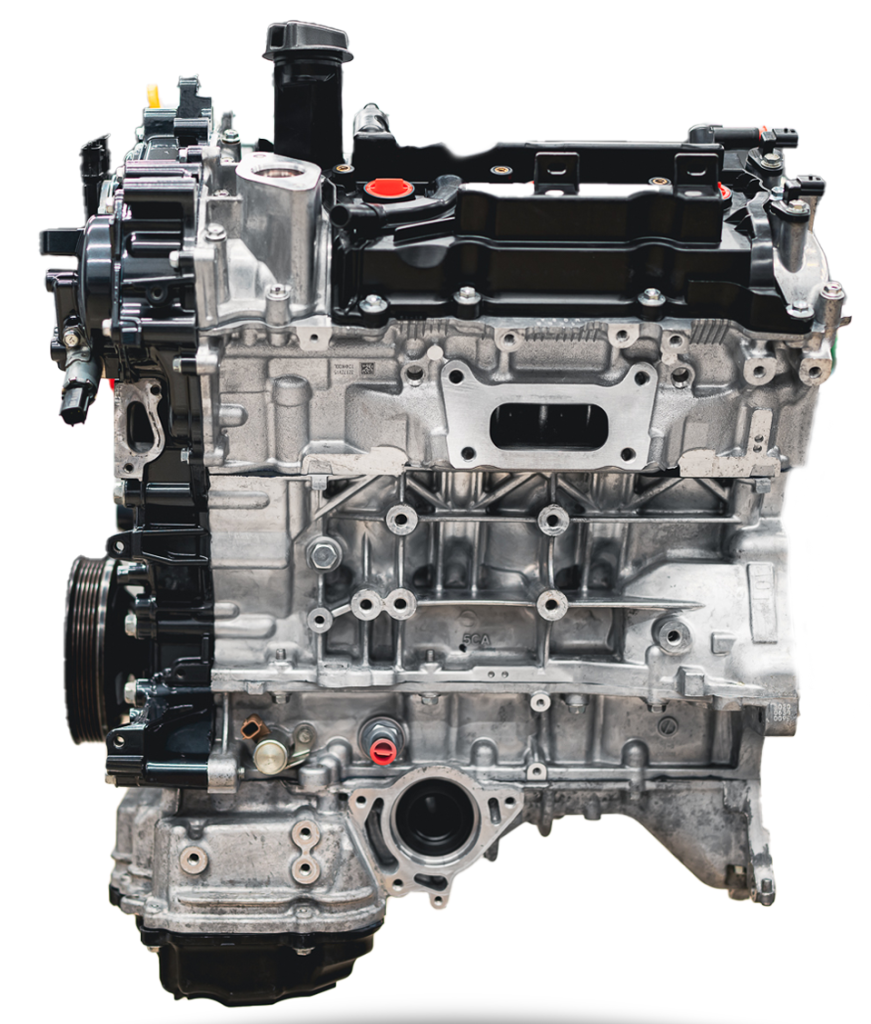
Engineered with a lightweight yet rigid aluminum alloy block and cylinder heads, the VR30DDTT features direct fuel injection (DIG) for precise fuel delivery and enhanced combustion efficiency. It incorporates continuously variable valve timing control (CVTCS) on both intake and exhaust camshafts, optimizing valve overlap and lift across the RPM range for improved torque and horsepower. Twin water-to-air intercooled turbochargers, each with optical turbine speed sensors, provide rapid boost response and reduce turbo lag, contributing to the engine’s dynamic character. The integration of electronic wastegates further refines boost control and overall engine management.
This engine, available in multiple output configurations, was primarily deployed in Infiniti’s performance-oriented vehicles. Key models include the Infiniti Q50 sedan (2016-present) and the Infiniti Q60 coupe (2017-present). It powers various trim levels, notably the “Sport” variants and the flagship “Red Sport 400” models, where it delivers its maximum performance potential. This strategic deployment underscores its role as a core component in Infiniti’s competitive luxury performance segment.
Technical Specifications
| Displacement | 2997 cc |
| Max Power | 400 hp (298 kW) @ 6400 RPM |
| Max Torque | 475 Nm (48.4 kg*m) @ 1600-5200 RPM |
| Fuel Type | Premium Unleaded (91+ octane recommended) |
| Fuel Consumption (Combined) | Approx. 10.7 l/100 km (Varies by vehicle configuration) |
| Engine Type | V6, DOHC, Twin-Turbocharged, Direct Injection |
| Compression Ratio | 10.3:1 |
| Cylinder Bore | 86.0 mm |
| Piston Stroke | 86.0 mm |
| Valvetrain | DOHC, Continuously Variable Valve Timing Control System (CVTCS) |
| Valves per Cylinder | 4 |
| Additional Info | Aluminum block and heads, water-to-air intercooler, electronic wastegates |
Common Problems & Reliability
The VR30DDTT is generally regarded as a robust and high-performing engine; however, specific areas have shown propensity for issues in some units, particularly earlier production years. One notable concern involves the twin turbochargers, with some owners reporting premature wear of the turbo bearings or issues with wastegate actuators. This can manifest as abnormal noises, reduced boost pressure, or error codes. Another potential issue, common to many direct-injection engines, is carbon buildup on the intake valves over time. While not as severe as in some other DI engines, it can lead to reduced efficiency and performance if not addressed. Lastly, a small number of reports have surfaced regarding coolant leaks, particularly from the turbocharger’s cooling lines or related components. Under diligent maintenance, the VR30DDTT engine can typically achieve a service life exceeding 200,000 kilometers (125,000 miles) before requiring significant overhaul.
Maintenance Tips & Service Schedule
Optimal longevity and performance for the VR30DDTT engine depend heavily on adherence to a strict maintenance schedule.
- Engine Oil: Synthetic 5W-30 engine oil is recommended. Oil and filter changes should be performed every 8,000 kilometers (5,000 miles) or every six months, whichever comes first, especially for vehicles driven hard or in adverse conditions. Regular oil analysis can help monitor engine health.
- Spark Plugs: Replacement of iridium spark plugs is advised every 60,000 kilometers (37,500 miles) for performance variants to maintain optimal ignition and prevent misfires.
- Air Filters: Engine air filters should be inspected at every service and replaced at least every 30,000 to 45,000 kilometers (18,000-28,000 miles), or more frequently in dusty environments.
- Coolant System: Coolant flushes and refills are recommended every 90,000-100,000 kilometers (55,000-60,000 miles) using manufacturer-approved long-life coolant. This helps preserve turbocharger and engine cooling efficiency.
- Fuel Type: Consistent use of premium unleaded gasoline (91+ octane) is critical for preventing pre-ignition and ensuring optimal engine performance and longevity.
- PCV Valve: Periodic inspection and replacement of the PCV (Positive Crankcase Ventilation) valve can help manage crankcase pressure and oil consumption.
Conclusion
The Infiniti VR30DDTT engine stands as a testament to modern automotive engineering, offering impressive power output, advanced technology, and a refined driving experience. For a used vehicle buyer, it represents a compelling choice, particularly in its higher-output “Red Sport 400” guise. While potential buyers should be aware of known issues such as turbocharger longevity and direct injection-related carbon buildup, these concerns are largely manageable with a proactive maintenance approach and thorough pre-purchase inspection. When properly maintained with premium fluids and adhering to recommended service intervals, the VR30DDTT engine can provide reliable and exhilarating performance for many years and miles.