
Overview & Design Features
The Infiniti K9K engine, a prominent product of the Renault-Nissan Alliance, is a compact 1.5-liter (1461 cc) inline-four common rail direct injection (dCi) diesel engine. Developed by Renault, this engine series has earned a reputation for its exceptional fuel efficiency and widespread application across various vehicle segments since its introduction in 2001. Its deployment in Infiniti models, specifically through strategic platform sharing, underscores its significance as a globally recognized and high-volume diesel powertrain solution.
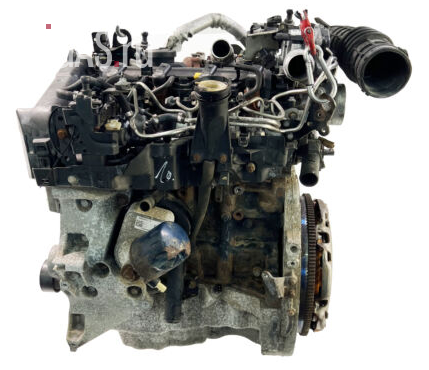
Engineered for efficiency and robust performance, the K9K features a cast-iron cylinder block and an aluminum alloy cylinder head. It employs a common rail direct injection fuel system, allowing for precise fuel delivery and combustion optimization, contributing to its low fuel consumption and emissions. While most K9K variants utilize a single overhead camshaft (SOHC) operating two valves per cylinder (8-valve total), later iterations incorporated advanced turbocharging technologies, including variable geometry turbochargers (VGT), to enhance torque delivery across a broader RPM range. The design emphasizes compact dimensions and lightweight components, crucial for integration into diverse vehicle platforms.
Within the Infiniti lineup, the K9K engine, sometimes rebadged as the OM607 in models derived from Mercedes-Benz platforms, was primarily featured in the 1.5d variants of the Infiniti Q30 (2015-2019) and Infiniti QX30 (2016-2019). Its extensive use across the Renault, Nissan, Dacia, and even some Mercedes-Benz models solidifies its status as one of the most prolific diesel engines in modern automotive history.
Technical Specifications
| Specification | Value |
|---|---|
| Displacement (cc) | 1461 |
| Max Power (hp (kW) @ RPM) | 109 hp (81 kW) @ 4000 RPM |
| Max Torque (Nm (kg*m) @ RPM) | 260 Nm @ 1750 RPM |
| Fuel Type | Diesel |
| Fuel Consumption (l/100 km) | Approximately 4.0 – 4.5 (Combined) |
| Engine Type | Inline 4-cylinder, SOHC, Turbocharged Diesel |
| Compression Ratio | 15.6:1 |
| Cylinder Bore (mm) | 76 |
| Piston Stroke (mm) | 80.5 |
| Valvetrain | SOHC |
| Valves per Cylinder | 2 |
| Additional Info | Common Rail Direct Injection, Turbocharged, Diesel Particulate Filter (DPF) |
Common Problems & Reliability
- Fuel Injector Issues: A recurring concern across various K9K generations involves the fuel injectors. These components can be susceptible to clogging or premature failure, often exacerbated by poor fuel quality or extended service intervals for the fuel filter. Symptoms typically include rough idling, reduced power, increased fuel consumption, or misfires. Timely replacement with quality parts is crucial.
- Turbocharger Wear: While generally robust, the turbocharger can experience premature wear or failure, particularly in engines that have not received regular oil changes with the correct specification lubricant, or those subjected to prolonged periods of high-stress operation. Adequate turbo cool-down procedures are also beneficial for longevity.
- Timing Belt and Ancillaries: As an engine relying on a timing belt, failure to adhere to the prescribed replacement schedule is catastrophic. The timing belt, along with its tensioners, idlers, and often the water pump, must be replaced preventatively at the manufacturer-recommended mileage or time interval. Neglect leads to severe internal engine damage.
Under a regimen of strict adherence to maintenance schedules and use of specified fluids, the K9K engine can achieve a commendable service life, often exceeding 250,000 to 300,000 kilometers before requiring major component overhauls. Longevity is highly dependent on owner diligence and preventative care.
Maintenance Tips & Service Schedule
- Engine Oil & Filter: Essential for engine health. Change engine oil and oil filter every 15,000 to 20,000 kilometers or annually, whichever comes first. Use only low-SAPS (Sulphated Ash, Phosphorus, Sulphur) engine oil conforming to ACEA C3 or C4 specifications, typically 5W-30 or 5W-40, to protect the Diesel Particulate Filter (DPF).
- Fuel Filter: Replace the fuel filter every 30,000 to 40,000 kilometers. This is critical for protecting the delicate common rail injection system from contaminants.
- Air Filter: Inspect and replace the air filter every 30,000 to 40,000 kilometers or more frequently if operating in dusty conditions.
- Timing Belt Kit: The most crucial maintenance item. Replace the complete timing belt kit (belt, tensioners, idlers, and water pump) every 120,000 to 160,000 kilometers or every 5-6 years, whichever occurs first. Adherence to this interval is non-negotiable.
- Coolant: Flush and replace engine coolant every 5 years or 100,000 kilometers to maintain optimal cooling system performance and prevent corrosion.
- DPF Maintenance: For vehicles equipped with a DPF, regularly perform longer drives at highway speeds to allow for passive and active regeneration cycles, preventing filter blockage.
Conclusion
The Infiniti K9K engine, despite its humble origins within the Renault-Nissan Alliance, presents a compelling proposition as an economical and generally reliable diesel powertrain. Its deployment in premium compact models like the Infiniti Q30 and QX30 highlights its suitability for those seeking exceptional fuel efficiency without significant compromise on driveability. For a used vehicle buyer, an Infiniti equipped with the K9K engine can be a safe and sensible choice, provided a comprehensive service history is available, demonstrating strict adherence to the critical maintenance schedule, especially concerning timing belt replacements and oil quality. With diligent care, this engine offers a practical and cost-effective ownership experience.