
Overview & Design Features
The Infiniti VQ25DE is a significant member of the highly acclaimed Nissan VQ series, a family of V6 internal combustion engines renowned for their robust design and smooth power delivery. Developed by Nissan, this 2.5-liter (2495 cc) naturally aspirated V6 engine adheres to a dual overhead camshaft (DOHC) configuration. It gained prominence in various Nissan and Infiniti models, particularly within the Japanese Domestic Market (JDM), where it served as a cornerstone power plant for several luxury sedans and sports coupes, establishing a reputation for reliability and refinement throughout its production run.
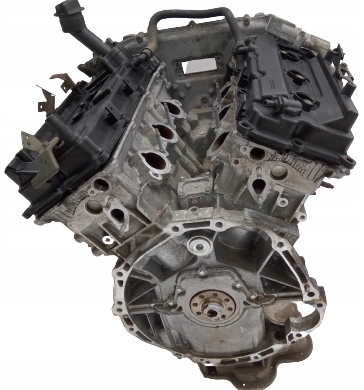
From an engineering perspective, the VQ25DE features an all-aluminum construction for both its cylinder block and cylinder heads, contributing to a favorable power-to-weight ratio and efficient heat dissipation. The engine utilizes multi-point electronic fuel injection (MPI), providing precise fuel delivery for optimal combustion and emissions control. A key technological inclusion is Nissan’s Continuously Variable Valve Timing Control System (CVTCS) on the intake camshafts. This system dynamically adjusts valve timing to enhance torque delivery across the RPM range and improve fuel efficiency, balancing performance with everyday drivability.
The VQ25DE engine was extensively deployed across a range of Nissan and Infiniti vehicles, primarily in the JDM. Notable applications include the Nissan Cefiro (A32, A33 chassis) from 1994 to 2002, the Nissan Skyline (R33, R34 chassis) particularly in the GT and 25GT-V trims from 1993 to 2002, and the Nissan Teana (J31 chassis) from 2003 to 2008. It also powered the Nissan Stagea (WC34) and the Infiniti I30/I35 (North American market variants often used larger displacement VQ engines, making the VQ25DE less common in direct Infiniti badged vehicles outside of specific regions or models like the V35 Skyline/G35 250GT).
Technical Specifications
| Displacement (cc) | 2495 |
| Max Power (hp (kW) @ RPM) | 210 (154) @ 6400 |
| Max Torque (Nm (kg*m) @ RPM) | 265 (27.0) @ 4800 |
| Fuel Type | Premium Unleaded (95 RON) |
| Fuel Consumption (l/100 km) | Approximately 9.5 – 11.5 (combined cycle, vehicle dependent) |
| Engine Type | Naturally Aspirated V6 |
| Compression Ratio | 10.3:1 |
| Cylinder Bore (mm) | 85.0 |
| Piston Stroke (mm) | 73.3 |
| Valvetrain | DOHC (Dual Overhead Camshaft) |
| Valves per Cylinder | 4 |
| Additional Info | Aluminum block and heads, Multi-Point Injection (MPI), Intake Variable Valve Timing (CVTCS) |
Common Problems & Reliability
The VQ25DE, like many engines in the VQ family, is generally considered robust, but specific issues can manifest, particularly in higher mileage examples. One common concern is an increased oil consumption, especially in earlier iterations or poorly maintained units. This often stems from worn piston rings or valve stem seals, leading to oil ingress into the combustion chambers. Regular monitoring of oil levels and timely top-ups are crucial to prevent further engine damage. Another frequent issue involves camshaft and crankshaft position sensors. These sensors are vital for engine timing and can fail, leading to rough idling, hesitation, or complete engine shutdown. Replacement is typically straightforward.
While the VQ25DE utilizes a timing chain system, which is generally more durable than belts, wear on the timing chain guides or tensioners can occur at very high mileages (exceeding 200,000 km). This can manifest as rattling noises from the front of the engine, particularly on cold starts. Addressing this proactively prevents catastrophic engine failure. With diligent maintenance, including regular oil changes and timely addressing of minor issues, the VQ25DE engine is capable of exceeding 250,000 to 300,000 kilometers before requiring a major overhaul.
Maintenance Tips & Service Schedule
Optimal longevity and performance from the VQ25DE engine necessitate adherence to a rigorous maintenance schedule. Engine oil and filter changes should be performed every 5,000 to 7,500 kilometers (or 6 months, whichever comes first), utilizing a high-quality synthetic 5W-30 or 5W-40 viscosity oil that meets API SN/SP or ACEA A3/B4 specifications. Regular checks of the oil level between changes are strongly advised due to potential consumption tendencies.
Spark plugs (NGK Platinum or Iridium recommended) typically require replacement every 100,000 kilometers. The engine air filter should be inspected and replaced as necessary, usually every 20,000 to 40,000 kilometers depending on driving conditions. The coolant system, including the radiator fluid, should be flushed and refilled with an ethylene glycol-based coolant (Nissan Long Life Coolant or equivalent) every 80,000 to 100,000 kilometers or every 4-5 years. The timing chain, while generally robust, should be inspected for noise at higher mileages; no routine replacement interval is specified, but tensioners and guides may require attention if noise is present. Drive belts should be inspected every 50,000 kilometers and replaced if cracks or wear are observed.
Conclusion
The Infiniti VQ25DE engine represents a strong contender in the realm of naturally aspirated V6 power plants. Its aluminum construction, DOHC valvetrain, and variable valve timing contribute to a sophisticated and responsive driving experience. While not entirely without its potential issues, such as occasional oil consumption and sensor failures common to many engines of its era, these problems are typically manageable and well-documented. For a used vehicle buyer, a VQ25DE-equipped car can be a reliable and enjoyable choice, provided it has a comprehensive service history and receives consistent, diligent maintenance. The engine’s fundamental robustness and widespread availability of parts ensure that with proper care, it offers a long and satisfying service life.