
Overview & Design Features
The Lexus 3GR-FSE is a 3.0-liter (2994 cc) V6 gasoline engine, part of Toyota’s GR engine family. Developed by Toyota and primarily used in Lexus and Japanese-market Toyota vehicles, it represents a significant step in engine technology for its era, blending performance with efficiency. Introduced in the mid-2000s, this engine was a key offering in Lexus’s mid-range luxury sedans, known for its smooth operation and advanced fuel management system.
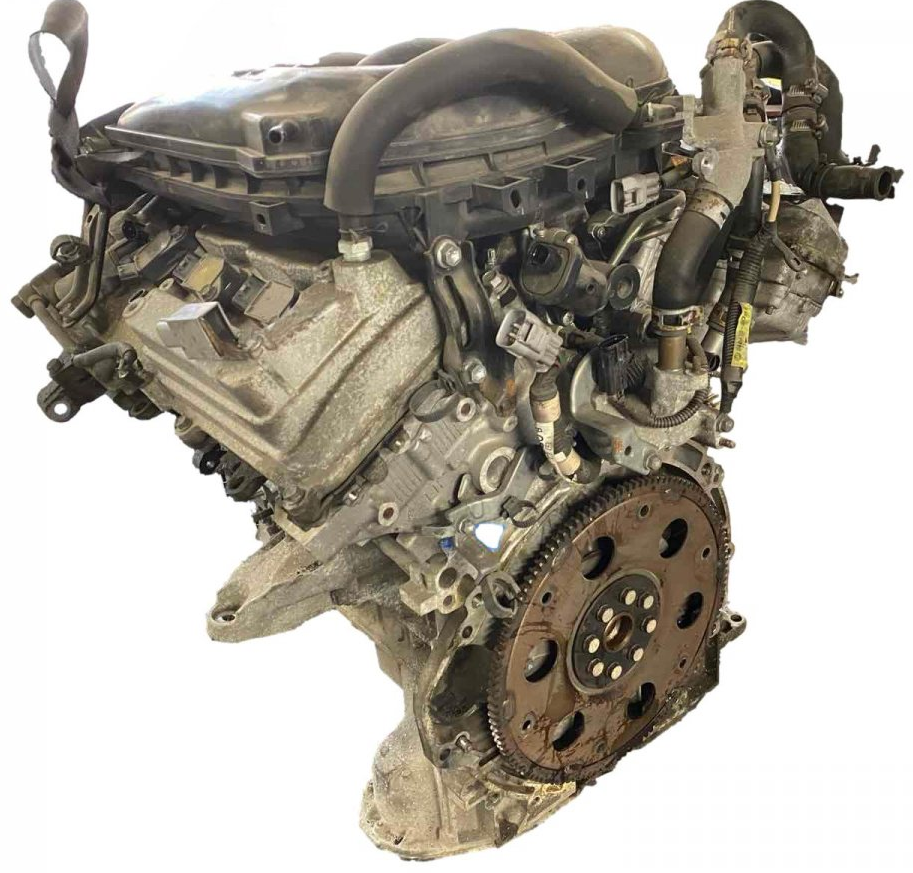
A core engineering feature of the 3GR-FSE is its D4-S fuel injection system, which combines both direct injection into the combustion chamber and traditional port injection into the intake manifold. This sophisticated system allows for optimal fuel atomization and combustion efficiency across varying RPMs and loads, reducing emissions and improving fuel economy. The engine features an aluminum alloy cylinder block and cylinder heads, contributing to its light weight and efficient heat dissipation. Dual Variable Valve Timing with intelligence (Dual VVT-i) is employed on both intake and exhaust camshafts, optimizing valve overlap for enhanced power delivery and fuel efficiency throughout the engine’s operating range. The valvetrain consists of 24 valves, with four valves per cylinder, actuated by a robust chain-driven DOHC setup.
This engine saw primary deployment in several Lexus and Toyota models. It was notably featured in the Lexus GS300 (GRS190 chassis) from 2005 to 2011 and the Lexus IS300. In the Japanese domestic market, it powered models such as the Toyota Crown (GRS182, GRS202) and the Toyota Mark X (GRX121, GRX132), demonstrating its versatility across different luxury and sport sedan platforms.
Technical Specifications
| Specification | Value |
|---|---|
| Displacement (cc) | 2994 |
| Max Power (hp (kW) @ RPM) | 231 hp (170 kW) @ 6400 RPM |
| Max Torque (Nm (kg*m) @ RPM) | 300 Nm (30.6 kg*m) @ 4800 RPM |
| Fuel Type | Gasoline (Premium Unleaded, 95 RON recommended) |
| Fuel Consumption (l/100 km) | Approximately 9.8-10.5 (Combined cycle, model dependent) |
| Engine Type | V6, DOHC, 24-valve |
| Compression Ratio | 11.5:1 |
| Cylinder Bore (mm) | 87.5 |
| Piston Stroke (mm) | 82.8 |
| Valvetrain | DOHC, Chain-driven, Dual VVT-i |
| Valves per Cylinder | 4 |
| Additional Info | D4-S direct and port fuel injection, Aluminum alloy block and heads |
Common Problems & Reliability
The 3GR-FSE engine is largely considered reliable, benefiting from Toyota’s engineering prowess. However, like many direct-injection engines, it is susceptible to specific issues:
- Carbon Buildup: Due to the direct injection component of the D4-S system, intake valves are not regularly washed by fuel. This can lead to carbon deposits accumulating on the intake valves and ports, potentially causing misfires, rough idling, reduced performance, and decreased fuel economy over time. Regular preventative maintenance, such as occasional fuel injector cleaning and intake system decarbonization, can mitigate this.
- High-Pressure Fuel Pump (HPFP) Issues: The HPFP, integral to the direct injection system, can be a potential point of failure. Symptoms may include a whining noise from the engine bay, fuel pressure irregularities, or check engine lights related to fuel system pressure. While not widespread, it is a known component that can require attention at higher mileages.
- VVT-i Actuator Rattle: A less common issue, but occasionally reported across the GR engine family, is a rattle or ticking noise from the VVT-i actuators, particularly on cold startup. This is often due to worn components within the actuators or insufficient oil pressure during the initial moments of engine operation.
With diligent maintenance and proper care, the Lexus 3GR-FSE engine can achieve a service life exceeding 250,000 to 300,000 kilometers (approximately 155,000 to 185,000 miles) before requiring a major overhaul.
Maintenance Tips & Service Schedule
Adherence to a strict maintenance schedule is crucial for the longevity and optimal performance of the 3GR-FSE engine:
- Engine Oil & Filter: Regular oil changes are paramount. It is recommended to use a high-quality synthetic engine oil, such as 5W-30 or 0W-20 (depending on climate and manufacturer recommendations), every 10,000 to 15,000 kilometers (6,000 to 9,000 miles) or annually, whichever comes first.
- Spark Plugs: Replace iridium-tipped spark plugs approximately every 90,000 to 100,000 kilometers (60,000 miles) to maintain ignition efficiency and prevent misfires.
- Air Filter: Inspect the engine air filter at every service and replace it every 30,000 to 45,000 kilometers (18,000 to 28,000 miles), or more frequently in dusty environments.
- Timing Chain: The 3GR-FSE utilizes a timing chain designed for the life of the engine. There is no specified replacement interval, but inspection for excessive stretch or noise is advisable at very high mileages (e.g., beyond 250,000 km).
- Coolant Flush: The engine uses Toyota’s Super Long Life Coolant (SLLC). A coolant flush and replacement are typically recommended every 100,000 kilometers (60,000 miles) or every 5 years.
- Fuel System Cleaning: Given the direct injection nature, periodic (e.g., every 50,000 km) professional fuel injector cleaning or the use of reputable fuel system cleaners can help prevent carbon buildup on intake valves.
Conclusion
The Lexus 3GR-FSE engine stands as a robust and well-engineered V6 powerplant, offering a commendable balance of performance, refinement, and fuel efficiency. Its advanced D4-S injection system and Dual VVT-i technology provide a smooth power delivery. While susceptible to common direct-injection related issues such as carbon buildup, these are manageable with proactive and consistent maintenance. For a used vehicle buyer, an engine with a documented service history suggests a reliable and long-lasting choice. When properly maintained, the 3GR-FSE is a dependable engine capable of providing many years of satisfactory operation.