
Overview & Design Features
The Lexus S20A-FTS is a distinguished 2.0-liter turbocharged inline four-cylinder gasoline engine, engineered and manufactured by Lexus, a division of Toyota Motor Corporation. Introduced as a cornerstone in Lexus’s strategy to offer efficient yet powerful compact luxury vehicles, this engine represents a significant advancement in the brand’s powertrain technology. It succeeded naturally aspirated six-cylinder engines in various models, offering comparable performance with improved fuel economy and reduced emissions, marking a pivotal shift towards forced induction within the Lexus lineup.
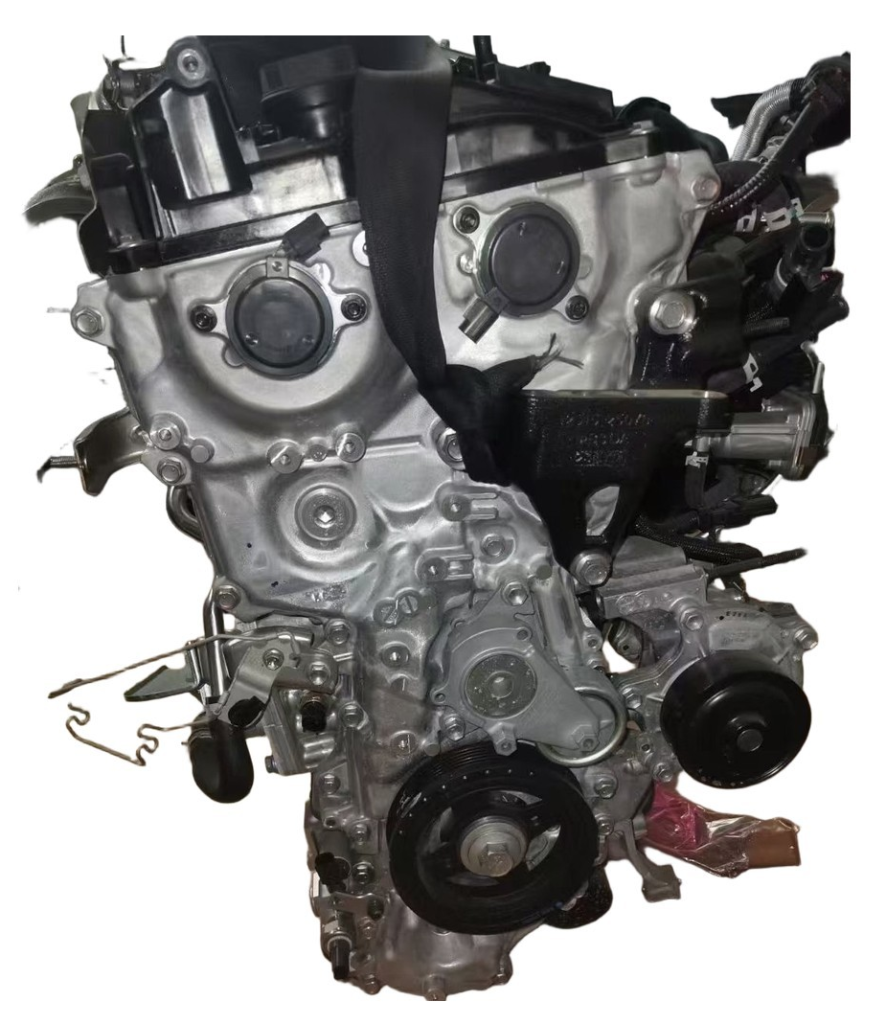
At its core, the S20A-FTS features a lightweight all-aluminum cylinder block and cylinder head, contributing to overall vehicle weight reduction and improved thermal management. It incorporates Lexus’s advanced D-4ST fuel injection system, which seamlessly integrates both direct fuel injection and port fuel injection. This dual-injection strategy optimizes combustion efficiency across the entire RPM range, mitigating common direct-injection issues such as intake valve carbon buildup while enhancing power output and fuel economy. The engine employs a sophisticated dual VVT-i (Variable Valve Timing with intelligence) system on both intake and exhaust camshafts, allowing for precise control over valve overlap to maximize torque at low RPMs and horsepower at higher RPMs. Forced induction is provided by a twin-scroll turbocharger, which effectively minimizes turbo lag by separating exhaust pulses, ensuring rapid throttle response. A water-to-air intercooler system further enhances performance by cooling the compressed intake charge, preventing pre-ignition and maintaining consistent power delivery.
The S20A-FTS engine was primarily deployed in a range of Lexus models aimed at the compact and mid-size luxury segments. Key applications include the Lexus IS 300 from the 2018 model year onwards, the Lexus RC 300 coupe also starting in 2018, and the Lexus NX 300 compact SUV from 2018 until its redesign in 2021. It also powered the Lexus RX 300 mid-size SUV in certain markets from 2020. These applications underscore its versatility and capability to power both luxury performance sedans/coupes and more practical SUV platforms.
Technical Specifications
| Displacement | 1998 cc |
| Max Power | 255 hp (188 kW) @ 5600 RPM |
| Max Torque | 370 Nm (37.7 kg*m) @ 1650-4000 RPM |
| Fuel Type | Premium Unleaded (95 RON / 91 AKI minimum) |
| Fuel Consumption (Combined) | 7.8 l/100 km (varies by vehicle application) |
| Engine Type | Inline 4-Cylinder, Turbocharged |
| Compression Ratio | 10.0:1 |
| Cylinder Bore | 86.0 mm |
| Piston Stroke | 86.0 mm |
| Valvetrain | DOHC (Dual Overhead Camshaft), Dual VVT-i |
| Valves per Cylinder | 4 (16 valves total) |
| Additional Info | Aluminum block & head, D-4ST (Direct & Port Injection), Twin-scroll turbocharger, Water-to-air intercooler |
Common Problems & Reliability
The Lexus S20A-FTS engine is generally regarded for its robust engineering and high reliability, consistent with Lexus’s reputation. However, like any modern complex engine, specific areas warrant attention over its lifespan. One common concern, albeit mitigated by the D-4ST dual injection system, is the potential for carbon buildup on the intake valves. While port injection helps clean the valve stems, direct injection at higher loads can still lead to some accumulation over extended periods, potentially affecting airflow and performance. Regular preventative measures can minimize this. Another area of focus can be the turbocharger assembly and its wastegate actuator. While designed for durability, these components are subject to high temperatures and mechanical stress. Premature wear or failure of the wastegate actuator, manifesting as rattling noises or inconsistent boost pressure, can occur in isolated cases, particularly in vehicles with aggressive driving histories or infrequent oil changes. Lastly, minor PCV (Positive Crankcase Ventilation) valve issues or hose blockages have been reported on some high-mileage units, potentially leading to increased oil consumption or unusual engine noises if left unaddressed.
Under a regimen of diligent maintenance and using recommended fuel and lubricants, the Lexus S20A-FTS engine exhibits excellent longevity. A realistic expected service life before requiring major internal overhaul can exceed 250,000 kilometers (approximately 155,000 miles), with many examples surpassing 300,000 kilometers (186,000 miles) with proper care.
Maintenance Tips & Service Schedule
Optimal performance and longevity of the S20A-FTS engine depend critically on adhering to a strict and comprehensive maintenance schedule. Key recommendations from an engineering perspective include:
- Engine Oil & Filter: Utilize full synthetic 0W-20 engine oil. Replace the oil and filter every 8,000 kilometers (5,000 miles) or every 6 months, whichever comes first. This frequent interval is crucial for turbocharged direct-injection engines to manage heat and combat potential fuel dilution or carbon accumulation in the oil.
- Spark Plugs: Replace iridium-tipped spark plugs every 60,000 kilometers (37,500 miles). Using genuine Lexus or OEM-equivalent spark plugs is highly recommended to maintain ignition efficiency and prevent misfires under boost.
- Air Filter: Inspect the engine air filter at every service and replace it every 30,000 kilometers (18,000 miles) or more frequently if operating in dusty conditions. A clean air filter is vital for turbocharger health and engine efficiency.
- Cabin Air Filter: Replace every 30,000 kilometers (18,000 miles) to maintain cabin air quality.
- Coolant: The engine utilizes a long-life coolant. The initial replacement is typically recommended at 160,000 kilometers (100,000 miles), followed by subsequent replacements every 80,000 kilometers (50,000 miles).
- Timing Chain: The S20A-FTS employs a robust timing chain system, which is designed to last the lifetime of the engine and does not require scheduled replacement under normal operating conditions.
- Fuel System Cleaning: Periodically, consider using a high-quality fuel system cleaner specifically designed for direct-injection engines to help maintain injector cleanliness and minimize carbon buildup. Adhering to premium fuel recommendations (95 RON / 91 AKI minimum) is also critical for optimal combustion and engine protection.
- Regular Inspections: Include routine inspection of the turbocharger for any signs of oil leaks or unusual noises, as well as checking all fluid levels and hose conditions at every service interval.
Conclusion
The Lexus S20A-FTS engine represents a highly capable and generally reliable powertrain for used vehicle buyers. Its combination of advanced engineering, including the D-4ST dual injection and VVT-i systems, delivers a compelling balance of performance and fuel efficiency. While it shares some general vulnerabilities common to modern direct-injection turbocharged engines, such as potential for carbon buildup and turbocharger component wear over extended periods, these are often manageable with proactive maintenance. Provided a used vehicle equipped with the S20A-FTS has a documented history of consistent and proper maintenance using manufacturer-recommended fluids and parts, it stands as a safe and robust choice, expected to offer many years of dependable service.