
Overview & Design Features
The Lexus 3MZ-FE is a 3.3-liter (3310 cc) V6 gasoline engine, part of Toyota’s MZ engine family, which succeeded the highly successful 1MZ-FE. Produced by Toyota Motor Corporation and primarily used in its Lexus luxury division and higher-trim Toyota models, the 3MZ-FE was developed to provide enhanced displacement, power, and torque output over its predecessor. It represented a significant evolution for front-wheel-drive and all-wheel-drive transverse applications, offering a balance of performance, refinement, and fuel efficiency suitable for mid-size to large sedans and SUVs of its era. Its introduction addressed the growing demand for more robust powertrains in the early to mid-2000s.
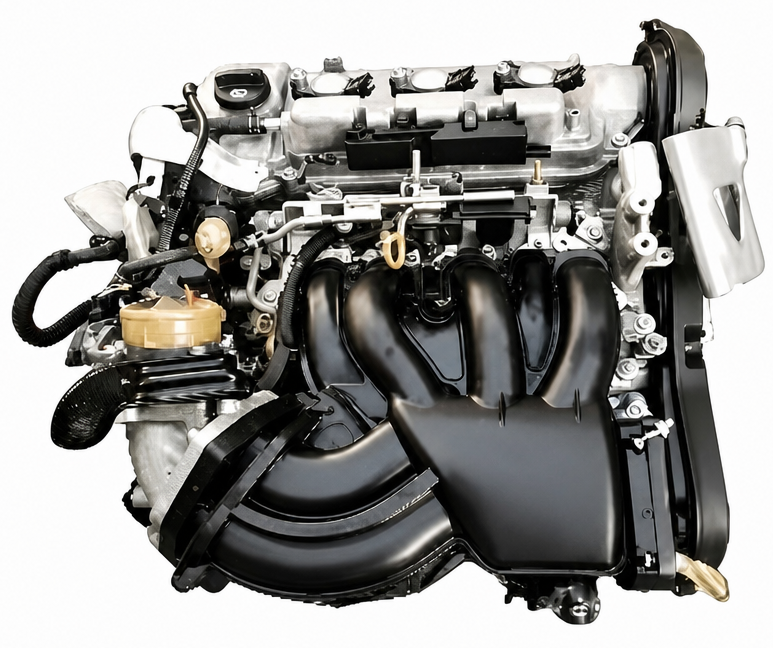
Engineered with a focus on durability and efficiency, the 3MZ-FE features an all-aluminum cylinder block and cylinder heads, contributing to reduced weight and improved heat dissipation. It employs a dual overhead camshaft (DOHC) valvetrain with four valves per cylinder, totaling 24 valves. A key technological advancement was the integration of Toyota’s Variable Valve Timing with intelligence (VVT-i) system on the intake camshaft, optimizing valve overlap for a broader power band and improved fuel economy. Fuel delivery is managed by a multi-port electronic fuel injection (EFI) system, ensuring precise fuel metering and combustion efficiency, while an advanced coil-on-plug ignition system provides reliable spark delivery.
The 3MZ-FE engine was widely deployed across several popular Toyota and Lexus models, serving as a primary powertrain option during its production run from approximately 2003 to 2006. Notable applications include the Lexus ES 330 (2004-2006), Lexus RX 330 (2004-2006), Toyota Camry (2004-2006), Toyota Highlander (2004-2007), Toyota Sienna (2004-2006), and Toyota Solara (2004-2006). It was also found in the Japanese market Toyota Harrier, showcasing its versatility across different vehicle segments and geographical regions.
Technical Specifications
| Specification | Value |
|---|---|
| Displacement (cc) | 3310 cc |
| Max Power (hp (kW) @ RPM) | 225 hp (168 kW) @ 5600 RPM |
| Max Torque (Nm (kg*m) @ RPM) | 325 Nm (33.1 kg*m) @ 3600 RPM |
| Fuel Type | Unleaded Gasoline (RON 91 or higher recommended) |
| Fuel Consumption (l/100 km, Combined Cycle) | ~10.5 – 11.5 l/100 km (vehicle dependent) |
| Engine Type | V6, DOHC, VVT-i |
| Compression Ratio | 10.8:1 |
| Cylinder Bore (mm) | 92.0 mm |
| Piston Stroke (mm) | 82.0 mm |
| Valvetrain | Dual Overhead Camshaft (DOHC) with VVT-i on intake |
| Valves per Cylinder | 4 |
| Additional Info | Aluminum block and heads, Multi-port Electronic Fuel Injection, Timing Belt |
Common Problems & Reliability
The 3MZ-FE engine generally maintains Toyota’s reputation for reliability, though it is not without specific areas requiring attention. One common issue is oil leaks, particularly from the valve cover gaskets (especially the rear bank) and the variable valve timing (VVT-i) oil lines. The original rubber VVT-i oil lines are known to degrade over time, leading to significant oil leaks; replacement with updated metal lines is a recommended preventative measure. Additionally, VVT-i actuators or solenoids can occasionally fail, manifesting as rough idling or reduced engine performance, often indicated by diagnostic trouble codes.
While less prone to severe oil sludge issues compared to some earlier 1MZ-FE iterations due to internal design revisions and improved PCV systems, infrequent oil changes can still lead to sludge buildup, affecting oil passages and VVT-i operation. Ignition coil failures, while not inherent defects, are typical high-mileage wear items that can cause misfires. With diligent maintenance, including timely oil changes and adherence to service schedules, the 3MZ-FE engine is capable of achieving a realistic service life exceeding 250,000 miles (400,000 km) before requiring a major overhaul.
Maintenance Tips & Service Schedule
- Engine Oil & Filter: Regular oil changes are paramount. Use 5W-30 synthetic or a high-quality conventional oil meeting API SN or SP specifications. Replace oil and filter every 5,000 miles (8,000 km) or every 6 months, whichever comes first. This frequent interval helps mitigate potential sludge formation and keeps the VVT-i system functioning optimally.
- Spark Plugs: Iridium-tipped spark plugs should be replaced every 60,000 to 100,000 miles (96,000 to 160,000 km). Adhering to this interval ensures efficient combustion and prevents misfires that can strain the ignition system.
- Timing Belt: The 3MZ-FE uses a timing belt, not a chain. This critical component must be replaced every 90,000 miles (144,000 km) or 9 years, whichever occurs first. It is strongly recommended to replace the water pump, tensioner, and idler pulleys simultaneously as part of this service, as failure of any of these components can lead to catastrophic engine damage.
- Coolant Flush: Drain and refill the engine coolant every 50,000 to 100,000 miles (80,000 to 160,000 km) or every 5 years, using Toyota’s Super Long Life Coolant (SLLC) or an equivalent phosphate-free, silicate-free, and nitrite-free coolant.
- PCV Valve: Inspect the PCV (Positive Crankcase Ventilation) valve every 30,000 miles (48,000 km) and replace it if it’s clogged or sticking. A properly functioning PCV system is crucial for preventing oil consumption and sludge buildup.
- Air Filter: Replace the engine air filter every 15,000 to 30,000 miles (24,000 to 48,000 km), or more frequently in dusty conditions, to ensure optimal air intake and fuel efficiency.
Conclusion
The Lexus 3MZ-FE engine stands as a testament to Toyota’s engineering prowess, offering a robust and refined powertrain that generally provides excellent long-term reliability. For a used vehicle buyer, an engine of this type is a safe and reliable choice, provided there is a verifiable maintenance history. The engine’s known weak points, such as VVT-i oil line degradation and timing belt replacement, are manageable with proactive maintenance and timely repairs. When properly cared for, the 3MZ-FE demonstrates impressive longevity and smooth operation, making vehicles equipped with this engine a sound investment for those seeking durable transportation.