
Overview & Design Features
The Toyota 3ZR-FAE is a 2.0-liter (1987 cc) inline four-cylinder gasoline engine, part of Toyota’s ZR engine family, which began production in 2007. While the prompt specifies “Lexus 3ZR-FAE”, this engine is fundamentally a Toyota-designed and manufactured unit, primarily deployed across various Toyota and Scion models. It represents a significant evolution in efficiency and performance for the brand’s compact and mid-sized vehicle range, succeeding earlier generations of naturally aspirated four-cylinder powerplants.
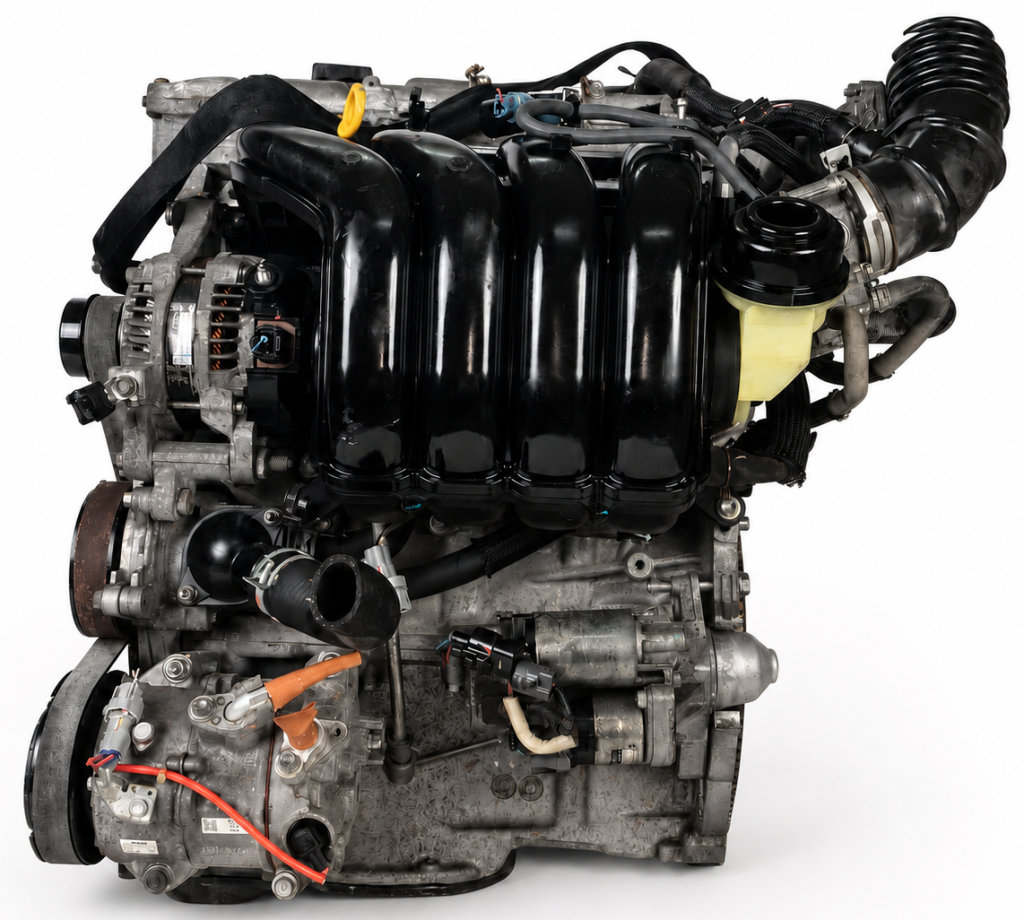
Engineered for a balance of power, fuel economy, and reduced emissions, the 3ZR-FAE features an all-aluminum construction for both its cylinder block and cylinder head, contributing to lower vehicle weight and improved thermal management. It utilizes Multi-Point Fuel Injection (MPFI), precisely delivering fuel into the intake ports. A hallmark of this engine is the incorporation of Toyota’s advanced Valvematic technology, which dynamically varies the intake valve lift and duration in addition to the Dual VVT-i (Variable Valve Timing with intelligence) system on both intake and exhaust camshafts. This sophisticated valvetrain management allows for highly precise control over engine breathing, enhancing volumetric efficiency across the RPM range and eliminating the need for a conventional throttle butterfly valve for air intake control under most conditions.
The 3ZR-FAE engine was widely utilized in various markets, predominantly powering Toyota vehicles from approximately 2009 onwards. Key models include the Toyota Avensis (T270 generation), certain versions of the Toyota Corolla, the Toyota RAV4 (XA30 and XA40 generations), the Toyota Matrix, and the Toyota Verso compact MPV. It also found application in the Scion tC (second generation) for the North American market, often serving as a robust and efficient option for front-wheel-drive platforms.
Technical Specifications
| Displacement | 1987 cc |
| Max Power | 140-158 hp (104-118 kW) @ 5600-6200 RPM |
| Max Torque | 187-198 Nm (19.1-20.2 kg*m) @ 4400-4800 RPM |
| Fuel Type | Unleaded Gasoline (RON 91/95) |
| Fuel Consumption | Refer to specific vehicle manufacturer’s technical documentation |
| Engine Type | Inline 4-cylinder, DOHC, 16-valve, Valvematic |
| Compression Ratio | 10.0:1 – 10.5:1 |
| Cylinder Bore | 80.5 mm |
| Piston Stroke | 97.6 mm |
| Valvetrain | DOHC (Double Overhead Camshaft), Chain-driven |
| Valves per Cylinder | 4 |
| Additional Info | Dual VVT-i, Valvematic variable valve lift system, Aluminum block and head |
Common Problems & Reliability
The 3ZR-FAE engine generally maintains Toyota’s reputation for reliability, but it is not without specific considerations, primarily related to its advanced Valvematic system. One notable mechanical weak point can be issues with the Valvematic actuator or motor. Malfunctions in this complex system can lead to rough idling, reduced power, increased fuel consumption, or illumination of the check engine light. Diagnostics often point to actuator wear or electrical faults, and replacement can be costly due to the component’s integration and precision requirements. Regular, quality oil changes are critical to the longevity of this system.
Another area of concern for some owners involves elevated oil consumption. While not as widespread or severe as issues observed in certain earlier Toyota engine generations, some 3ZR-FAE units may exhibit increased oil usage, particularly as mileage accumulates. This can be attributed to wear on piston rings or valve stem seals. Regular monitoring of oil levels and adherence to recommended oil change intervals can mitigate potential long-term issues.
Less frequently, but still a common wear item across many engines, are potential water pump leaks. The factory water pump may develop leaks over time, typically manifesting as coolant drips or a reduction in coolant levels. Early detection through routine inspections during service intervals can prevent overheating and more extensive engine damage.
Under proper and consistent maintenance, including timely oil changes, regular coolant flushes, and addressing minor issues promptly, the 3ZR-FAE engine can realistically achieve a service life exceeding 250,000-300,000 kilometers (approximately 150,000-180,000 miles) before requiring a major overhaul.
Maintenance Tips & Service Schedule
- Engine Oil & Filter: Replacement is recommended every 10,000 kilometers (6,000 miles) or once a year, whichever comes first. Use a high-quality synthetic engine oil with a viscosity grade of 0W-20 or 5W-30, meeting API SN/SP or ILSAC GF-5/GF-6 standards, as specified by the manufacturer.
- Spark Plugs: Iridium-tipped spark plugs, typical for this engine, should be inspected and potentially replaced every 100,000 kilometers (60,000 miles). Using the correct OEM-specified plugs is crucial for optimal ignition and fuel efficiency.
- Timing Chain: The 3ZR-FAE utilizes a timing chain, which is generally designed to last the lifetime of the engine. However, it is advisable to have the chain and tensioner inspected for excessive stretch or noise around 200,000 kilometers (120,000 miles) during major service.
- Coolant System: The coolant should be flushed and replaced according to Toyota’s Super Long Life Coolant (SLLC) schedule, typically every 150,000 kilometers (100,000 miles) or every 10 years, then every 80,000 kilometers (50,000 miles) or 5 years thereafter.
- Air & Cabin Filters: Engine air filter replacement is generally recommended every 30,000-45,000 kilometers (18,000-28,000 miles), or more frequently in dusty conditions. Cabin air filters should be replaced annually or every 15,000 kilometers (9,000 miles) for optimal air quality.
- Valvematic System Care: Due to the complexity of the Valvematic system, it is crucial to use only the recommended engine oil and adhere strictly to service intervals. Any diagnostics related to the Valvematic system should be performed by qualified technicians.
Conclusion
The Toyota 3ZR-FAE engine is generally considered a reliable and efficient powerplant, reflecting Toyota’s commitment to engineering longevity. Its advanced Valvematic system, while offering significant fuel economy and performance benefits, introduces a degree of complexity that requires diligent maintenance and attention to specific components. For a used vehicle buyer, an engine with a clear maintenance history, especially one showing consistent oil changes and no recurring check engine lights related to the Valvematic system, represents a safe and robust choice. With proper care, this engine can provide many years and miles of dependable service, making it a sound investment for those seeking a practical and economical vehicle.