
Overview & Design Features
The Lexus 6AR-FSE is a naturally aspirated 2.0-liter (1998 cc) inline four-cylinder gasoline engine, part of Toyota’s AR engine family. Developed by Toyota Motor Corporation for its premium Lexus brand and select Toyota models, this powerplant is designed with a strong emphasis on fuel efficiency, smooth operation, and robust reliability. Introduced in the mid-2010s, it represents a modern interpretation of a mid-displacement four-cylinder engine, incorporating advanced technologies to achieve a balance of performance and economy for entry-level luxury sedans and other front-wheel-drive platforms.
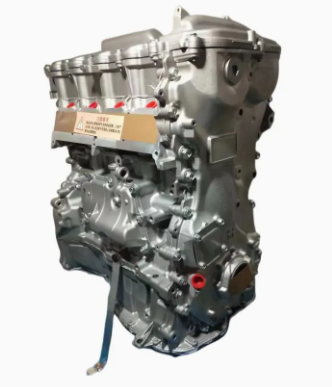
Engineered with a lightweight all-aluminum cylinder block and cylinder head, the 6AR-FSE benefits from reduced mass and improved heat dissipation. A defining characteristic is its sophisticated D-4S fuel injection system, which seamlessly integrates both direct fuel injection and conventional port fuel injection. This dual injection strategy optimizes fuel atomization and combustion efficiency across the entire RPM range, simultaneously mitigating the common direct injection issue of carbon buildup on intake valves. Furthermore, the engine employs Toyota’s advanced Variable Valve Timing-intelligent Wide (VVT-iW) on the intake camshaft and VVT-i on the exhaust camshaft, enabling the engine to operate efficiently in both Otto and Atkinson cycles, particularly at light loads, enhancing fuel economy without sacrificing responsiveness.
This engine variant was primarily deployed in specific markets for the Lexus ES 200 (XV60 and XV70 generations) and certain Toyota Camry models (XV50 and XV70 generations), often serving as an entry-level option. It also powered the Toyota Crown (S210 series) and the Toyota Alphard/Vellfire (AH30 series) in select regions. Its application targets regions where smaller displacement engines are favored due to taxation or fuel economy concerns, providing a refined and economical powertrain solution for these vehicles.
Technical Specifications
| Displacement (cc) | 1998 |
| Max Power (hp (kW) @ RPM) | 167 (123) @ 6500 |
| Max Torque (Nm (kg*m) @ RPM) | 199 (20.3) @ 4600 |
| Fuel Type | Unleaded Gasoline (RON 95 or higher recommended) |
| Fuel Consumption (l/100 km) | 6.0 – 7.5 (combined, varies by vehicle and driving conditions) |
| Engine Type | Inline 4-cylinder, DOHC, 16-valve, Naturally Aspirated |
| Compression Ratio | 12.7:1 |
| Cylinder Bore (mm) | 86.0 |
| Piston Stroke (mm) | 86.0 |
| Valvetrain | Chain-driven DOHC |
| Valves per Cylinder | 4 |
| Additional Info | D-4S (Direct & Port Injection), VVT-iW (Intake), VVT-i (Exhaust), Atkinson Cycle Capable |
Common Problems & Reliability
The Lexus 6AR-FSE engine is widely regarded as a highly reliable and durable powertrain, inheriting Toyota’s reputation for engineering longevity. However, like any complex mechanical system, it can exhibit certain characteristics or issues over its operational lifespan, though generally not considered widespread flaws.
- Intake Valve Carbon Buildup: While the D-4S dual-injection system significantly mitigates carbon buildup on intake valves compared to pure direct-injection engines, it is not entirely immune. Over very high mileage (e.g., beyond 200,000 km) and if consistently operated with lower-quality fuels or extended oil change intervals, some carbon accumulation can occur. Symptoms might include a slight reduction in power or fuel economy, though rarely severe enough to cause misfires. Regular high-quality fuel use and periodic fuel system cleaners are beneficial.
- VVT-i Actuator Wear: The VVT-iW (intake) and VVT-i (exhaust) actuators are generally robust. However, at extremely high mileage (e.g., beyond 250,000 km), wear in these components, particularly the oil control valves, can lead to rattling noises during cold starts or an illuminated “Check Engine” light. Proper and timely oil changes are critical for the longevity of these hydraulically operated components.
- Minor Oil Consumption: Some owners may report slight oil consumption at very high mileage, which is typical for many modern engines with tighter piston ring tolerances designed for fuel economy. This is usually not indicative of a significant fault unless consumption becomes excessive (e.g., more than 1 liter per 5,000 km) and is often addressed by ensuring consistent oil level checks and adherence to recommended oil specifications.
With diligent maintenance and proper care, the 6AR-FSE engine typically demonstrates an impressive service life, often exceeding 250,000 to 300,000 kilometers before requiring any major internal overhaul.
Maintenance Tips & Service Schedule
Proactive and consistent maintenance is paramount to ensuring the long-term reliability and optimal performance of the 6AR-FSE engine. Adherence to manufacturer-recommended service intervals and use of specified fluids are crucial.
- Engine Oil and Filter: Replace every 10,000 kilometers or 6 months, whichever comes first. Use fully synthetic engine oil conforming to API SN/SP or ILSAC GF-5/GF-6 standards, with a viscosity grade of 0W-20 or 5W-30. Regular oil analysis can help tailor intervals for specific driving conditions.
- Spark Plugs: Inspect every 50,000 kilometers and replace iridium-tipped spark plugs every 100,000 to 120,000 kilometers. Use only genuine OEM or equivalent high-quality spark plugs to maintain ignition efficiency.
- Air Filter: Inspect annually or every 15,000 kilometers and replace every 30,000 kilometers, or more frequently if operating in dusty conditions. A clean air filter is vital for proper air-fuel mixture and engine longevity.
- Coolant Flush: The engine utilizes Toyota Super Long Life Coolant (SLLC) or an equivalent long-life ethylene-glycol coolant. The initial replacement interval is typically 160,000 kilometers or 8 years, followed by every 80,000 kilometers or 4 years.
- Timing Chain: The 6AR-FSE utilizes a maintenance-free timing chain designed for the life of the engine. There is no scheduled replacement interval. However, during very high mileage inspections, listen for any abnormal chain noise that might indicate wear on the chain, tensioner, or guides.
- Fuel System Cleaning: Periodically, consider using a high-quality fuel system cleaner, especially if the vehicle is primarily used for short trips or in stop-and-go traffic. This can help maintain injector cleanliness and prevent minor carbon accumulation.
Conclusion
The Lexus 6AR-FSE engine stands as a testament to Toyota’s engineering prowess, offering a highly reliable, refined, and fuel-efficient powertrain solution. Its advanced D-4S injection and VVT-iW technologies provide a strong balance between performance and economy in its target applications. While no engine is entirely fault-proof, the 6AR-FSE’s known potential issues are minor and largely manageable through diligent and routine maintenance. For a used vehicle buyer, an automobile equipped with the 6AR-FSE engine represents a safe and dependable choice, offering significant longevity and relatively low running costs, provided a comprehensive service history is available and proper maintenance practices are continued.