
Overview & Design Features
The Haval GW4D20B is a 2.0-liter, four-cylinder, 16-valve, turbocharged common rail direct injection (CRDI) diesel engine, a prominent powertrain developed and manufactured by Great Wall Motor (GWM) for its Haval SUV and Great Wall pickup truck brands. Representing a significant advancement in GWM’s diesel engine technology, the GW4D20B variant builds upon its predecessors by offering improved performance, fuel efficiency, and emissions compliance, establishing itself as a workhorse engine designed for robust utility and sustained output in diverse driving conditions.
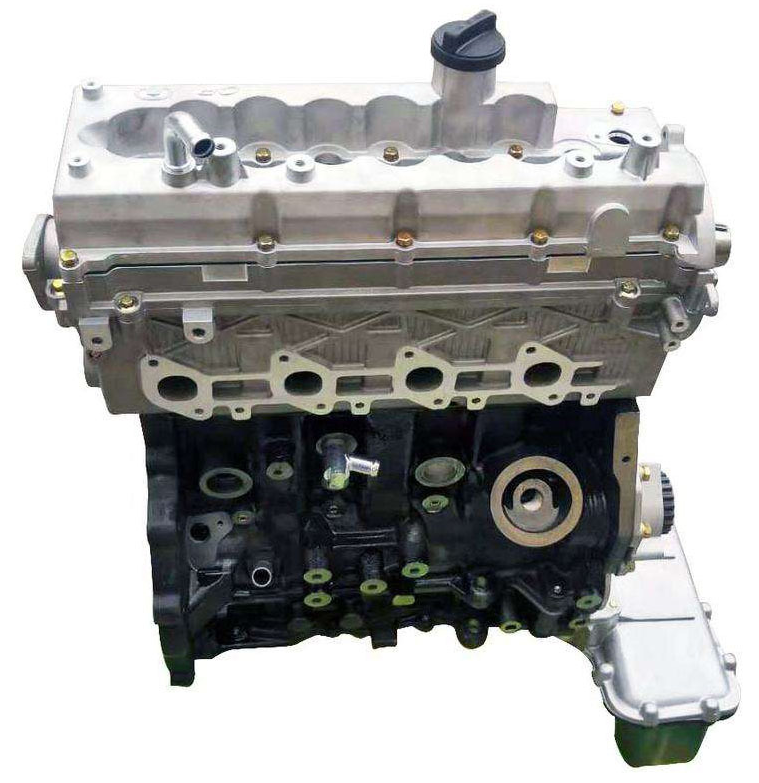
Engineered for durability and efficiency, the GW4D20B features a sturdy cast iron cylinder block, providing excellent structural rigidity and heat dissipation crucial for diesel operations. An aluminum alloy cylinder head contributes to weight reduction and efficient thermal management. Fuel delivery is precisely controlled by a common rail direct injection system, optimizing combustion and reducing emissions. The engine incorporates a variable geometry turbocharger (VGT), allowing for responsive power delivery across a wide RPM range, minimizing turbo lag, and maximizing torque output. A double overhead camshaft (DOHC) valvetrain with 16 valves ensures optimal airflow for both intake and exhaust, enhancing volumetric efficiency.
This engine variant has seen widespread deployment across several popular models within the Great Wall Motor portfolio. Primarily, the GW4D20B was utilized in later iterations of the Haval H5, Haval H6 (in select international markets and specific trims), and as a foundational diesel option for the Haval H9. It also powered various Great Wall pickup trucks, including the Great Wall Wingle 5 and Wingle 6 (now succeeded by the GWM Poer/P-Series). Its production spanned from approximately the early 2010s well into the mid-to-late 2010s, serving as a cornerstone diesel engine for the brand during that period.
Technical Specifications
| Displacement (cc) | 1996 |
| Max Power (hp (kW) @ RPM) | 147 hp (110 kW) @ 4000 RPM |
| Max Torque (Nm (kg*m) @ RPM) | 310 Nm (31.6 kg*m) @ 1800-2800 RPM |
| Fuel Type | Diesel |
| Fuel Consumption (l/100 km) | Refer to specific vehicle manufacturer’s technical documentation |
| Engine Type | Inline-4, DOHC, Turbocharged Diesel |
| Compression Ratio | 16.5:1 |
| Cylinder Bore (mm) | 83.1 |
| Piston Stroke (mm) | 92.0 |
| Valvetrain | DOHC |
| Valves per Cylinder | 4 |
| Additional Info | Common Rail Direct Injection (CRDI), Variable Geometry Turbocharger (VGT), Diesel Particulate Filter (DPF) |
Common Problems & Reliability
The Haval GW4D20B, while generally robust, exhibits certain common issues typical of modern diesel engines, particularly concerning emissions control systems and fuel quality sensitivity. A frequently reported problem relates to the Diesel Particulate Filter (DPF). DPFs can become clogged, especially when vehicles are predominantly used for short trips that do not allow sufficient exhaust temperatures for passive or active regeneration cycles. This often necessitates forced regeneration or DPF cleaning/replacement, impacting performance and triggering warning lights.
Another area of concern involves the Exhaust Gas Recirculation (EGR) valve. Over time, carbon deposits can accumulate, causing the EGR valve to stick open or closed. A stuck EGR valve can lead to rough idling, reduced power, increased emissions, and illuminate the check engine light. Furthermore, the common rail direct injection system, while efficient, is sensitive to fuel quality. Substandard or contaminated diesel fuel can lead to premature wear or failure of fuel injectors, resulting in poor atomization, reduced fuel economy, misfires, and expensive repairs.
With proper and diligent maintenance, including the exclusive use of high-quality diesel fuel and appropriate engine oil, the Haval GW4D20B engine can realistically achieve a service life ranging from 250,000 km to 300,000 km before requiring a major overhaul. Adherence to manufacturer-recommended service schedules is critical for reaching these mileage milestones.
Maintenance Tips & Service Schedule
Optimal performance and longevity of the GW4D20B engine hinge on meticulous adherence to a preventative maintenance schedule. Engine oil and filter changes are paramount: use a fully synthetic diesel engine oil meeting API CI-4/CJ-4 or ACEA C3/C4 specifications, typically a 5W-30 or 5W-40 viscosity, every 10,000 km or 12 months, whichever comes first. Given the presence of a DPF, employing a low-ash (C3/C4 compliant) oil is critical.
The fuel filter requires replacement every 20,000 km or annually to protect the sensitive common rail injection system from contaminants. Air filter replacement should occur at similar intervals, or more frequently if the vehicle operates in dusty environments. The GW4D20B utilizes a timing chain system; while generally maintenance-free, it warrants inspection for excessive slack or noise every 100,000 km, with replacement only necessary if wear is evident. Coolant flushes and replacement should be performed every 40,000-60,000 km or every 2-3 years to maintain cooling system efficiency and prevent corrosion. Regular monitoring of the DPF system and ensuring sufficient highway driving for regeneration cycles are also crucial for preventing expensive DPF-related issues.
Conclusion
The Haval GW4D20B engine represents a capable and generally robust diesel powertrain for Great Wall Motor vehicles. Its design emphasizes durability and efficiency suitable for SUVs and pickup trucks. For prospective used vehicle buyers, this engine can be a reliable choice, provided its service history reflects diligent adherence to maintenance schedules and the use of appropriate quality consumables. Crucial considerations include the vehicle’s DPF health, evidence of regular fuel filter changes, and a history free from persistent check engine light issues related to the EGR or injectors. With proper care and awareness of its diesel-specific maintenance requirements, the GW4D20B can deliver many years of dependable service.