
Overview & Design Features
The Haval GW4D20 is a 2.0-liter (1996cc) inline four-cylinder turbodiesel engine developed and manufactured by Great Wall Motors (GWM) under its Haval sub-brand. Debuting in the early 2010s, this engine series became a cornerstone for Haval’s SUV and Great Wall’s pickup truck lineup, particularly in markets demanding robust, fuel-efficient diesel powertrains. Its introduction marked GWM’s commitment to producing competitive internal combustion engines for a diverse range of vehicles, focusing on power delivery and durability for demanding applications.
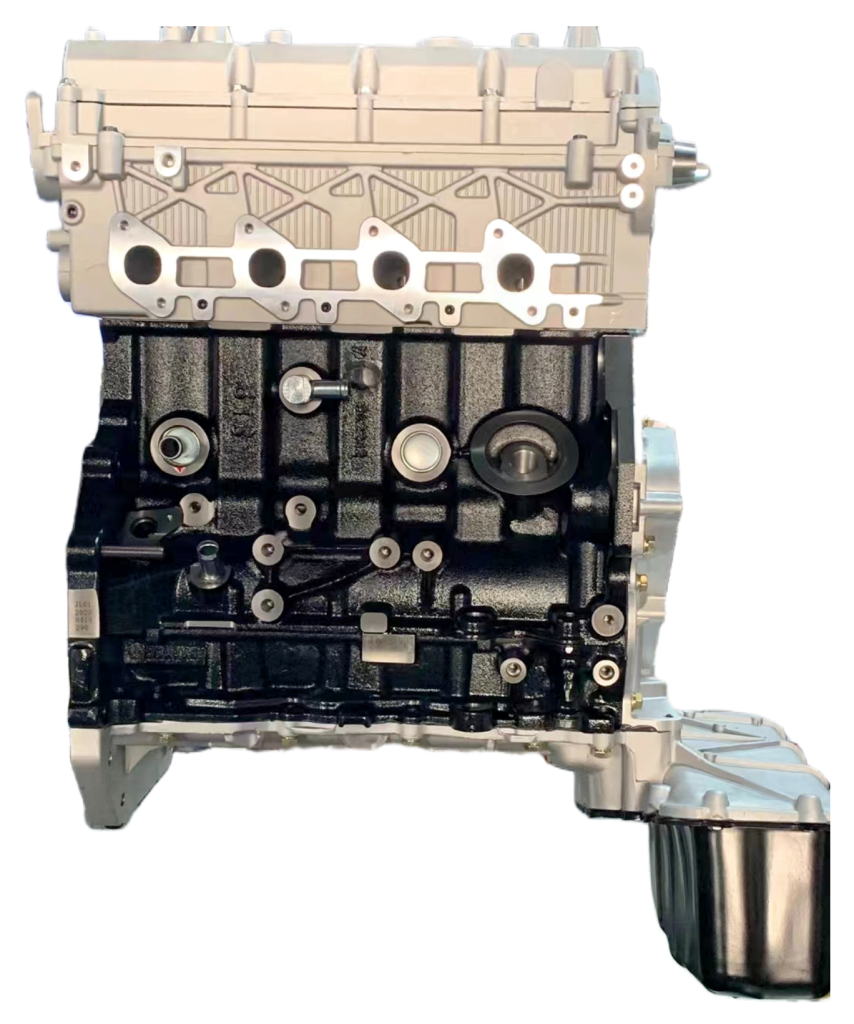
Engineered for strength and efficiency, the GW4D20 features a cast iron cylinder block for enhanced durability, coupled with an aluminum alloy cylinder head to reduce overall mass and improve heat dissipation. Fuel delivery is managed by a high-pressure Common Rail Direct Injection (CRDI) system, which optimizes fuel atomization and combustion efficiency. Forced induction is provided by a Variable Geometry Turbocharger (VGT), ensuring broad torque delivery across the RPM range and improved throttle response. The valvetrain incorporates a Double Overhead Camshaft (DOHC) design with 16 valves (four per cylinder), promoting efficient gas flow.
The Haval GW4D20 engine has been widely deployed across several of Great Wall Motors’ and Haval’s popular models. Key applications include the Haval H5 (from approximately 2010-2018), Haval H6 (early generations, circa 2011-2016), and the Haval H9 (early variants, circa 2015-2018). It also powered various Great Wall Wingle and Poer pickup trucks, demonstrating its versatility and reliability in both SUV and light commercial vehicle segments across different global markets.
Technical Specifications
| Specification | Value |
|---|---|
| Displacement (cc) | 1996 |
| Max Power (hp (kW) @ RPM) | 148-163 (110-120) @ 4000 |
| Max Torque (Nm (kg*m) @ RPM) | 310-340 (31.6-34.7) @ 1800-2800 |
| Fuel Type | Diesel |
| Fuel Consumption (l/100 km) | 7.0 – 9.0 (Combined Cycle, Varies by Vehicle) |
| Engine Type | Inline 4-Cylinder, Turbocharged Diesel |
| Compression Ratio | 16.5:1 |
| Cylinder Bore (mm) | 83 |
| Piston Stroke (mm) | 92 |
| Valvetrain | DOHC, Chain-driven |
| Valves per Cylinder | 4 (16 total) |
| Additional Info | Common Rail Direct Injection (CRDI), Variable Geometry Turbocharger (VGT), Intercooler |
Common Problems & Reliability
While generally considered a robust diesel engine, the Haval GW4D20 has a few typical issues that can arise, especially in higher mileage examples or those with inconsistent maintenance. A common concern for modern diesels, including the GW4D20, involves the Diesel Particulate Filter (DPF). Blockages can occur if the vehicle is frequently driven short distances without sufficient opportunity for passive or active regeneration, leading to reduced performance and increased exhaust back pressure. Regular DPF monitoring and appropriate driving cycles are crucial for longevity.
Another area requiring attention is the EGR (Exhaust Gas Recirculation) valve and intake manifold carbon buildup. Diesel combustion byproducts, combined with oil vapor, can accumulate in these components over time, restricting airflow and negatively impacting engine efficiency. Symptoms include rough idling, reduced power, and increased emissions. Furthermore, the fuel injectors in the CRDI system, while highly efficient, can eventually wear or become clogged, particularly if low-quality fuel is used, leading to misfires or poor fuel economy.
With proper maintenance and regular servicing, the Haval GW4D20 engine is capable of achieving a significant service life. A realistic expected service life before requiring a major overhaul typically ranges from 250,000 to 350,000 kilometers, assuming adherence to the manufacturer’s recommended service schedule and prompt addressing of any emerging issues.
Maintenance Tips & Service Schedule
Maintaining the Haval GW4D20 engine effectively is critical for its long-term reliability and performance. Adherence to a strict service schedule and using specified fluids is paramount:
- Engine Oil & Filter: Change every 10,000 to 15,000 kilometers, or annually, whichever comes first. Use a synthetic diesel-specific oil conforming to ACEA C3 or a manufacturer-specified equivalent, typically 5W-30 or 5W-40 viscosity, to protect the DPF and turbocharger.
- Fuel Filter: Replace every 20,000 to 30,000 kilometers. This is crucial for protecting the high-pressure fuel pump and injectors from contaminants common in diesel fuel.
- Air Filter: Inspect every 10,000 kilometers and replace every 20,000 to 30,000 kilometers, or more frequently if operating in dusty conditions.
- Timing Chain: The GW4D20 utilizes a timing chain, which is designed for the life of the engine. However, periodic inspection (e.g., every 150,000-200,000 km) for excessive slack or noise is advisable. Replacement is generally only required if issues are detected.
- Coolant Flush: Perform a coolant system flush and refill every 60,000 kilometers or every 3-4 years using an ethylene glycol-based long-life coolant compatible with aluminum components.
- DPF Maintenance: For vehicles equipped with a DPF, ensure regular highway driving to allow for passive regeneration. If driving predominantly short distances, periodic manual regeneration (if available) or professional cleaning may be necessary to prevent blockages.
- EGR Valve & Intake Cleaning: Consider professional cleaning of the EGR valve and intake manifold every 100,000 to 150,000 kilometers to prevent significant carbon buildup.
Conclusion
The Haval GW4D20 engine, in its various iterations, represents a significant and widely utilized turbodiesel offering from Great Wall Motors. For a used vehicle buyer, it can be a relatively safe and reliable choice, especially if its service history is comprehensive and indicates diligent maintenance. Its robust design, featuring a cast iron block and DOHC valvetrain, contributes to its inherent durability. While specific attention to DPF, EGR, and fuel system components is necessary, these are common considerations for most modern diesel engines. A pre-purchase inspection by a qualified mechanic is always recommended to assess the overall condition of the engine and its associated systems.