
Overview & Design Features
The Haval GW4G15 engine is a widely utilized internal combustion power unit developed by Great Wall Motor (GWM), Haval’s parent company. Primarily identified as a 1.5-liter (1497 cc) inline-four engine, it represents a significant offering within the compact SUV and sedan segments, underpinning numerous Haval and Great Wall vehicles. Its introduction marked GWM’s commitment to developing competitive, domestically produced powertrains for its growing vehicle lineup, often serving as a workhorse known for its balance of performance and fuel efficiency, particularly in its more common turbocharged variants.
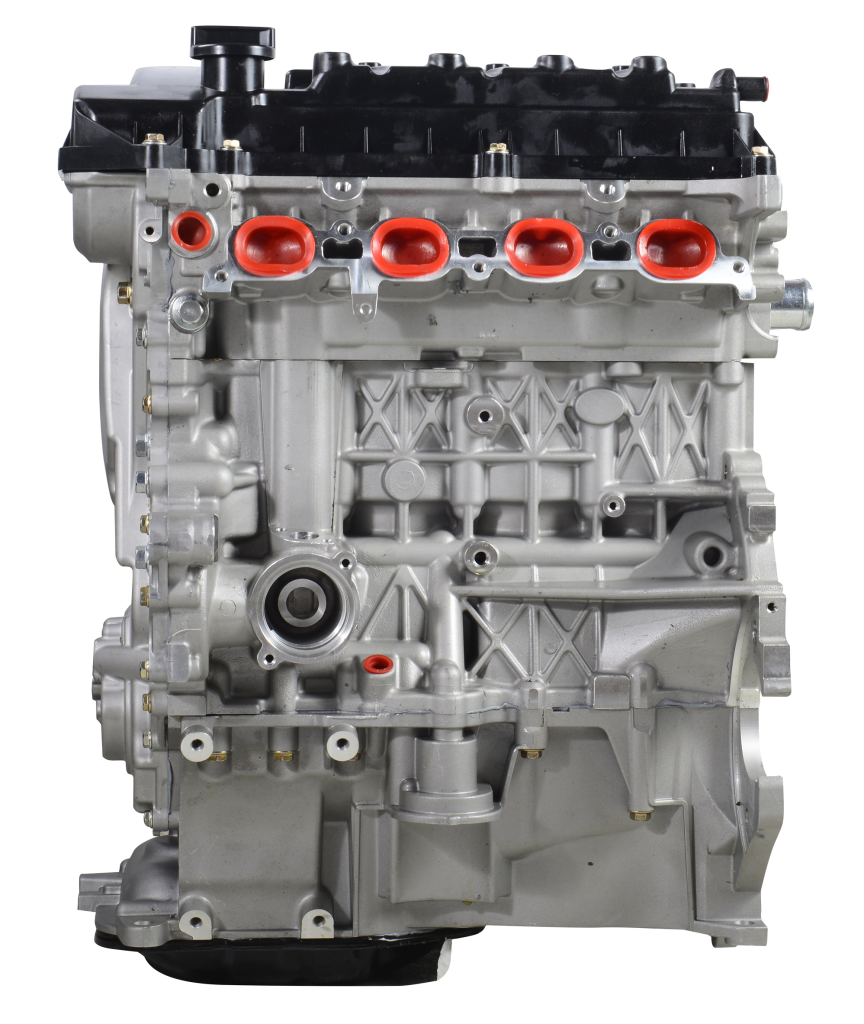
Engineered with a focus on modern automotive demands, the GW4G15 features an all-aluminum construction for both its cylinder block and cylinder head, contributing to reduced overall vehicle weight and improved thermal management. The valvetrain incorporates a Double Overhead Camshaft (DOHC) design with 16 valves (four per cylinder), frequently augmented by Variable Valve Timing (VVT) technology. This VVT system dynamically adjusts valve lift and duration, optimizing combustion efficiency across various engine speeds and loads. While early iterations might have utilized Multi-Point Injection (MPI), many prominent applications, especially the turbocharged variants, employ a sophisticated fuel injection system to enhance power delivery and fuel economy.
The Haval GW4G15 engine, often found in its turbocharged configuration (e.g., GW4G15T), has been a cornerstone in several popular models. It was notably deployed in the first-generation Haval H2 (2014-2020), Haval H6 (earlier generations, particularly the Sport and Coupe models), and various Great Wall brand vehicles such as the Great Wall C30 (Voleex C30), Great Wall C50, and the Great Wall M4. Its versatility allowed it to power a range of vehicles from compact sedans to entry-level compact SUVs, serving diverse markets and consumer needs.
Technical Specifications
| Specification | Value (for GW4G15T variant) |
|---|---|
| Displacement (cc) | 1497 cc |
| Max Power (hp (kW) @ RPM) | 147 hp (110 kW) @ 5600 rpm |
| Max Torque (Nm (kg*m) @ RPM) | 210 Nm (21.4 kg*m) @ 2200-4500 rpm |
| Fuel Type | Gasoline (Unleaded, typically RON 92+) |
| Fuel Consumption (l/100 km) | Refer to specific vehicle model documentation (typically 6.8-7.8 combined) |
| Engine Type | Inline 4-Cylinder, DOHC, Turbocharged, Water-cooled |
| Compression Ratio | 9.3:1 |
| Cylinder Bore (mm) | 75.0 mm |
| Piston Stroke (mm) | 84.7 mm |
| Valvetrain | DOHC, 16 Valves, Variable Valve Timing (VVT) |
| Valves per Cylinder | 4 |
| Additional Info | Turbocharged with Multi-Point Injection (MPI) |
Common Problems & Reliability
The Haval GW4G15 engine, particularly its turbocharged GW4G15T variant, exhibits several common issues that prospective owners should be aware of. One frequently reported concern involves the turbocharger unit itself. Due to the stresses of forced induction and potentially inconsistent oil change intervals, the turbocharger can experience premature wear, leading to reduced boost pressure, unusual noises, or excessive oil consumption. Regular inspection of the turbocharger oil lines and bearings is crucial.
Another area of concern for some owners relates to minor oil leaks, often originating from valve cover gaskets, oil pan seals, or the turbo oil return line. While not always catastrophic, these leaks can lead to gradual oil loss and mess in the engine bay if left unaddressed. Furthermore, owners have occasionally reported issues with engine sensors, such as the oxygen sensor or crankshaft position sensor, which can lead to irregular engine performance, rough idling, or illumination of the “Check Engine” light.
Under proper and diligent maintenance, the Haval GW4G15 engine is generally capable of achieving a realistic service life of approximately 200,000 to 250,000 kilometers before potentially requiring a major overhaul. Exceeding this mileage often necessitates significant attention to worn components, particularly the turbocharger and associated ancillaries.
Maintenance Tips & Service Schedule
Ensuring the longevity and optimal performance of the Haval GW4G15 engine hinges on adherence to a rigorous maintenance schedule and specific practices. Regular oil changes are paramount, especially for turbocharged versions. Engine oil should be replaced every 5,000 to 7,500 kilometers or every six months, whichever comes first. A high-quality synthetic oil with a viscosity rating of 5W-30 or 5W-40, meeting manufacturer specifications (e.g., API SN/CF or higher), is recommended to provide adequate lubrication and protect the turbocharger.
Spark plugs typically require replacement every 30,000 to 40,000 kilometers, depending on the plug type and driving conditions. Using manufacturer-specified iridium or platinum plugs is advised for optimal combustion and fuel efficiency. The engine employs a timing chain system, which generally offers a longer service life compared to belts. However, it is prudent to have the timing chain and tensioners inspected for wear and stretch at approximately 100,000 kilometers and replaced only if wear is evident or unusual noise is present. Coolant flushes and replacement should occur every two years or 40,000 kilometers to maintain cooling system efficiency and prevent corrosion. Air and fuel filters must also be replaced at recommended intervals to ensure clean intake and fuel delivery, protecting the engine’s internals and injection system.
Conclusion
The Haval GW4G15 engine, particularly its turbocharged variant, presents itself as a robust and adequately powerful option for the compact vehicle segment it serves. For a used vehicle buyer, it can be a safe and reliable choice, provided a comprehensive service history is available, indicating consistent and proper maintenance. While specific attention should be paid to the condition of the turbocharger and potential minor oil leaks, these issues are generally manageable with proactive inspection and timely repairs. A well-maintained GW4G15 engine offers a balanced driving experience with reasonable fuel economy, representing a viable powertrain option within the used car market.