
Overview & Design Features
The Haval GW4D24 is a modern 2.4-liter turbocharged diesel engine developed by Great Wall Motor, primarily for its Haval SUV and Great Wall Motor pickup truck lineups. This powertrain represents an evolution in the manufacturer’s diesel engine technology, offering a balance of robust performance, fuel efficiency, and compliance with contemporary emission standards. Its introduction marked a strategic move to provide stronger, more refined diesel options for larger vehicles, catering to markets demanding increased towing capacity and off-road capability. The GW4D24 is a significant component in Haval’s global product strategy, particularly in regions where diesel powertrains remain popular for utility vehicles.
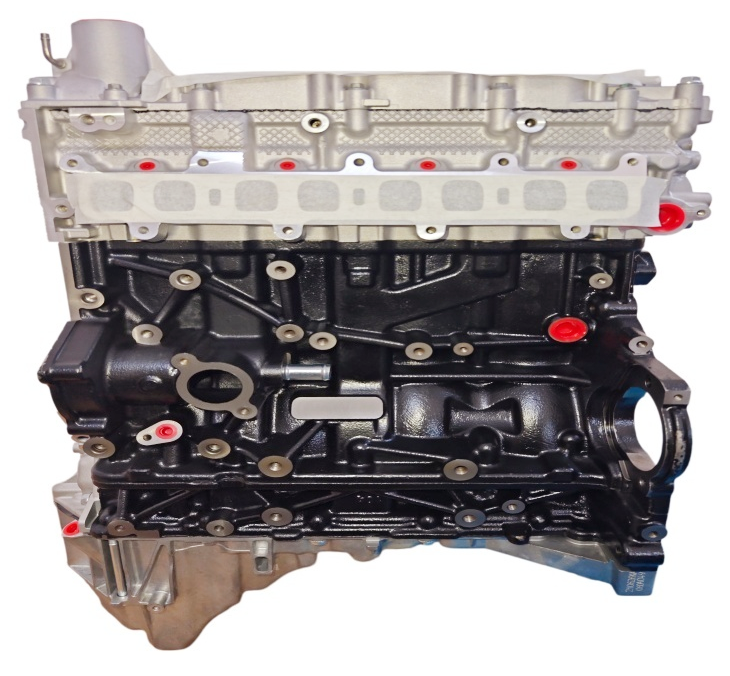
Engineered for durability and efficiency, the GW4D24 features a robust cast iron cylinder block paired with an aluminum alloy cylinder head, optimizing heat dissipation while maintaining structural integrity under high combustion pressures inherent to diesel operation. Fuel delivery is managed by an advanced common rail direct injection system, precisely controlling fuel atomization and combustion for improved efficiency and reduced emissions. This is complemented by a variable geometry turbocharger (VGT), which enhances low-end torque and provides a flatter torque curve across the RPM range. The valvetrain incorporates a double overhead camshaft (DOHC) design, ensuring optimal valve timing and airflow for both intake and exhaust cycles.
The Haval GW4D24 engine has been strategically deployed across a range of Great Wall Motor and Haval vehicles. It prominently features in the Haval H5 (second generation), powering its more potent diesel variants from approximately 2020 onwards. It is also a key powertrain option for the Haval H9 in select markets, offering a capable alternative to its petrol counterparts. Furthermore, the engine is extensively used in Great Wall Motor’s popular pickup series, including the GWM P-Series (also known as the Poer or Cannon in various international markets), equipping models from their launch years in the early 2020s, underlining its versatility across both SUV and light commercial vehicle platforms.
Technical Specifications
| Specification | Value |
|---|---|
| Displacement (cc) | 2394 |
| Max Power (hp (kW) @ RPM) | 181 hp (135 kW) @ 3600 RPM |
| Max Torque (Nm (kg*m) @ RPM) | 480 Nm (48.9 kg*m) @ 1500-2500 RPM |
| Fuel Type | Diesel |
| Fuel Consumption (l/100 km) | Approximately 8.5 – 10.5 (Combined cycle, varies by vehicle) |
| Engine Type | Inline 4-cylinder, DOHC, Turbocharged Diesel |
| Compression Ratio | 15.5:1 |
| Cylinder Bore (mm) | 83.1 |
| Piston Stroke (mm) | 110.4 |
| Valvetrain | DOHC (Double Overhead Camshaft) |
| Valves per Cylinder | 4 |
| Additional Info | Common Rail Direct Injection, Variable Geometry Turbocharger (VGT), Diesel Particulate Filter (DPF) |
Common Problems & Reliability
- Diesel Particulate Filter (DPF) Issues: Like many modern diesel engines, the GW4D24 is susceptible to DPF clogging, particularly when subjected to frequent short-distance driving cycles that prevent proper regeneration. Symptoms include reduced power, increased fuel consumption, and warning lights. Regular highway driving is recommended to facilitate DPF self-cleaning cycles.
- EGR Valve Carbon Buildup: The Exhaust Gas Recirculation (EGR) valve can accumulate carbon deposits over time, leading to restricted airflow, rough idling, and reduced engine performance. This is often exacerbated by lower-quality fuels or extended periods of stop-and-go city driving. Periodic inspection and cleaning of the EGR system are advisable.
- Fuel Injector Longevity: While generally robust, the common rail injectors can be sensitive to poor fuel quality, leading to premature wear or blockages. Use of high-quality diesel fuel and adherence to prescribed fuel filter replacement intervals are crucial for maintaining injector health and preventing costly repairs.
Under a regimen of strict adherence to maintenance schedules and use of high-quality consumables, the Haval GW4D24 engine is designed for a robust service life. A realistic expected service life before requiring major overhaul is typically in excess of 250,000 kilometers, with many well-maintained examples surpassing 300,000 kilometers.
Maintenance Tips & Service Schedule
- Engine Oil & Filter: Replace every 10,000 kilometers or 12 months, whichever comes first. Use a high-quality fully synthetic diesel-specific engine oil meeting API CK-4 or ACEA C3/C4 specifications, typically 5W-30 or 5W-40 viscosity, depending on climate conditions.
- Fuel Filter: Replace every 20,000 to 30,000 kilometers to protect the sensitive common rail injection system from contaminants. Using genuine or OEM-equivalent filters is crucial.
- Air Filter: Inspect at every service and replace every 20,000 kilometers, or more frequently if operating in dusty environments.
- Coolant Flush: Perform a coolant flush and replacement every 60,000 kilometers or every 3-4 years, using the manufacturer-specified long-life coolant.
- Timing Chain: The GW4D24 utilizes a timing chain designed for the engine’s lifetime. However, regular engine oil changes are critical for chain longevity. An inspection for excessive noise or stretch is recommended at 150,000 to 200,000 kilometers.
- DPF Regeneration: Ensure regular highway driving to allow for passive and active DPF regeneration cycles. If primarily used for city driving, forced regeneration by a qualified technician may occasionally be necessary.
Conclusion
The Haval GW4D24 engine presents itself as a competent and powerful diesel option within the Great Wall Motor and Haval lineup. Its modern design, incorporating common rail direct injection and a variable geometry turbocharger, offers strong performance and reasonable fuel efficiency for its class. For a used vehicle buyer, the GW4D24 can be considered a reliable choice, provided the vehicle has a documented history of diligent maintenance. Prospective owners should prioritize vehicles with comprehensive service records, especially concerning oil and fuel filter changes, and understand the specific maintenance requirements for modern diesel engines, particularly regarding DPF care. With proper care, this engine is capable of providing many years and kilometers of dependable service.