
Overview & Design Features
The Haval GW4G15K is a prominent 1.5-liter, naturally aspirated four-cylinder gasoline engine developed and produced by Great Wall Motor (GWM), the parent company of the Haval brand. This powerplant has served as a workhorse in various compact and subcompact vehicles, primarily within the Haval and Great Wall lineups. Known for its cost-effectiveness, straightforward design, and relatively accessible maintenance, the GW4G15K represents a significant offering in the entry-level automotive segment, providing a balance of economy and adequate performance for daily commuting and light utility.
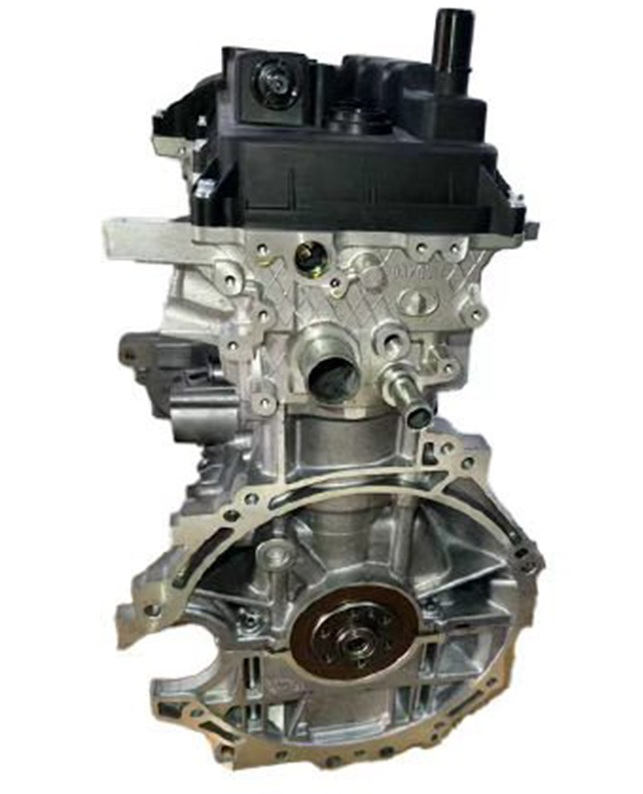
Engineered for reliability and efficiency, the GW4G15K features an aluminum alloy cylinder block and cylinder head, contributing to reduced overall engine weight and improved heat dissipation. It utilizes a Double Overhead Camshaft (DOHC) valvetrain with 16 valves (four per cylinder), which optimizes airflow for better combustion efficiency across the RPM range. The engine incorporates Multi-Point Fuel Injection (MPI) for precise fuel delivery and often includes Variable Valve Timing (VVT) technology, designed to enhance both power output and fuel economy by adjusting valve lift and duration based on engine load and speed. A timing chain system, rather than a belt, is employed for valve train actuation, generally offering a longer service interval compared to traditional timing belts.
This specific iteration of the 1.5-liter engine, the GW4G15K, was extensively deployed across several key models. Its primary applications include the earlier generations of the Haval H1 and Haval H2 compact SUVs, where it provided the baseline powertrain option. Furthermore, it powered various Great Wall-branded vehicles such as the Great Wall C30 sedan, the Great Wall M4 compact SUV, and the Great Wall Voleex C30, typically spanning production years from the early to mid-2010s. Its widespread use underscores its role as a fundamental engine choice for Great Wall Motor’s initial expansion into various market segments.
Technical Specifications
| Specification | Value |
|---|---|
| Displacement | 1497 cc (1.5L) |
| Max Power | 105 hp (77 kW) @ 6000 RPM |
| Max Torque | 138 Nm (14.1 kg*m) @ 4200 RPM |
| Fuel Type | Gasoline (Unleaded, RON 92 recommended) |
| Fuel Consumption (Combined) | Approximately 6.7 l/100 km |
| Engine Type | Inline 4-Cylinder, Naturally Aspirated |
| Compression Ratio | 10.5:1 |
| Cylinder Bore | 77.5 mm |
| Piston Stroke | 79.5 mm |
| Valvetrain | DOHC, 16-valve, VVT |
| Valves per Cylinder | 4 |
| Additional Info | Multi-Point Injection (MPI), Timing Chain |
Common Problems & Reliability
The Haval GW4G15K engine generally exhibits reasonable reliability for its class, but like most engines, it has a few identifiable weak points that tend to manifest with age and higher mileage. One common issue involves minor oil leaks, particularly from the valve cover gasket and occasionally from the front crankshaft seal. These are typically not catastrophic but require attention to prevent oil consumption or contamination of other components. Another frequently reported problem relates to the oxygen sensors, which can degrade over time, leading to inaccurate fuel mixture readings, potentially causing increased fuel consumption or a “Check Engine” light illumination. Ignition coils can also be a source of misfires, often requiring individual replacement.
While equipped with a timing chain intended for the life of the engine, it is not entirely immune to wear. At very high mileages (exceeding 200,000 km), some instances of timing chain stretch or wear on the tensioners have been noted, which can lead to rattling noises or timing discrepancies. Regular oil changes with quality lubricants are crucial to preserving the timing chain and VVT system components. With diligent maintenance, including adherence to recommended service schedules and prompt addressing of minor issues, the Haval GW4G15K engine can realistically achieve a service life of 200,000 to 250,000 kilometers before requiring any significant overhaul.
Maintenance Tips & Service Schedule
To ensure optimal performance and longevity of the Haval GW4G15K engine, adherence to a proactive maintenance regimen is essential. Key service intervals and recommendations include:
- Engine Oil and Filter: Regular oil changes are paramount. It is recommended to replace the engine oil and filter every 7,500 to 10,000 kilometers, or every 6 to 12 months, whichever comes first. Use a high-quality synthetic or semi-synthetic engine oil with a viscosity grade of 5W-30 or 5W-40, meeting API SN/CF or equivalent specifications.
- Spark Plugs: Replace spark plugs every 30,000 to 40,000 kilometers. This ensures efficient combustion and prevents misfires, contributing to better fuel economy.
- Air Filter: Inspect the engine air filter at every service interval and replace it every 15,000 to 20,000 kilometers, or annually, especially in dusty environments.
- Fuel Filter: The fuel filter should be replaced every 40,000 to 60,000 kilometers to prevent fuel system clogging and maintain proper fuel flow.
- Coolant Flush: Perform a coolant system flush and refill every 60,000 to 80,000 kilometers, or every 3 to 4 years, using the manufacturer-specified long-life coolant. This prevents corrosion and maintains optimal engine operating temperatures.
- Timing Chain: While designed to be maintenance-free for a long period, it is prudent to have the timing chain and related components inspected for noise or excessive slack at approximately 150,000 kilometers.
Conclusion
The Haval GW4G15K engine stands as a robust and generally reliable powerplant within its segment. Its straightforward design, combined with widely available parts and accessible service procedures, makes it an economical choice for vehicle ownership. For a used vehicle buyer, an inspection revealing a history of consistent maintenance and no signs of severe oil leaks or persistent engine warning lights would indicate a potentially safe and dependable purchase. While not the most powerful engine in its class, its focus on efficiency and durability provides a solid foundation for everyday driving, establishing it as a pragmatic option for those seeking a practical and cost-effective vehicle.