
Overview & Design Features
The Haval 4G63S4M is a 2.0-liter, naturally aspirated, inline four-cylinder gasoline engine, a licensed variant of Mitsubishi’s venerable 4G63 series. Manufactured by Great Wall Motors for its Haval SUV line-up, this engine leverages a proven and widely recognized design known for its robustness and simplicity. Its integration into Haval vehicles underscores a strategy to provide reliable, cost-effective powertrains by adopting established engineering platforms. The 4G63S4M served as a foundational power unit for several Haval models, contributing to their market presence, particularly in regions prioritizing durability and ease of maintenance.
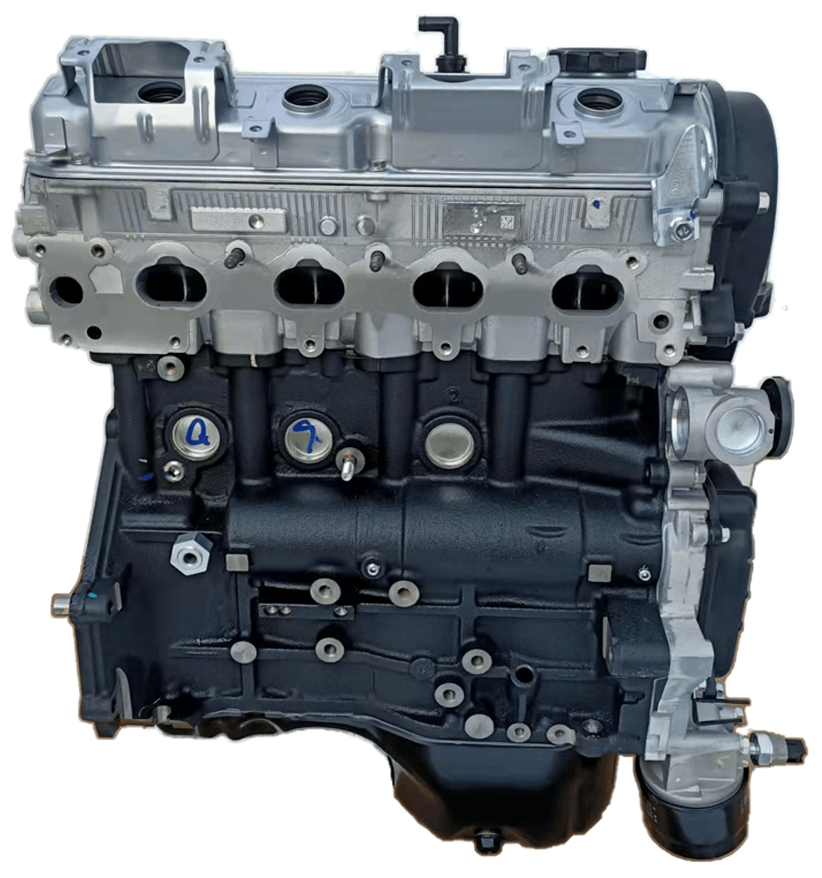
Engineering features of the 4G63S4M include a sturdy cast iron cylinder block, offering excellent thermal stability and longevity, paired with an aluminum alloy cylinder head for optimized weight distribution and heat dissipation. Fuel delivery is managed by a multi-point fuel injection (MPI) system, ensuring consistent fuel atomization and combustion efficiency. The valvetrain employs a Single OverHead Camshaft (SOHC) design with four valves per cylinder, totaling 16 valves, providing a balance of power output and fuel economy suitable for everyday driving. This configuration prioritizes reliability and straightforward servicing over complex performance enhancements.
The Haval 4G63S4M engine was primarily deployed in the following Haval and Great Wall SUV models: the Haval H3 (various trims, c. 2009-2012), the Haval H5 (often in its initial and mid-lifecycle iterations, c. 2010-2015), and select versions of the Great Wall Hover. These vehicles, typically targeting utility and affordability, benefited from the engine’s reputation for dependable operation and accessible spare parts, reinforcing their appeal in domestic and emerging markets.
Technical Specifications
| Specification | Value |
|---|---|
| Displacement (cc) | 1997 |
| Max Power (hp (kW) @ RPM) | 122 hp (90 kW) @ 5250 RPM |
| Max Torque (Nm (kg*m) @ RPM) | 170 Nm (17.3 kg*m) @ 2500-3000 RPM |
| Fuel Type | Unleaded Gasoline (RON 92 minimum) |
| Fuel Consumption (l/100 km) | ~9.8 – 10.5 (Combined Cycle, SUV application) |
| Engine Type | Inline 4-Cylinder, Naturally Aspirated |
| Compression Ratio | 9.2:1 |
| Cylinder Bore (mm) | 85.0 |
| Piston Stroke (mm) | 88.0 |
| Valvetrain | SOHC, 16 Valves |
| Valves per Cylinder | 4 |
| Additional Info | Multi-Point Fuel Injection (MPI) |
Common Problems & Reliability
The Haval 4G63S4M engine, while generally robust due to its long-standing design, exhibits a few common issues associated with its age and construction. One frequently reported concern involves oil leaks, particularly from the valve cover gasket, crankshaft seals, and oil pan gasket. These leaks, often exacerbated by aged seals and prolonged exposure to heat cycles, typically manifest as visible oil stains and a slight reduction in oil levels. Another characteristic issue is the potential for noisy hydraulic lash adjusters (lifters), which can produce a ticking sound, especially during cold starts or if oil change intervals are neglected or improper oil viscosity is used. This can usually be mitigated with regular, high-quality oil changes.
As a timing belt-driven engine, timing belt wear and failure represent a critical vulnerability if replacement schedules are not strictly adhered to. Failure of the timing belt can result in catastrophic engine damage, necessitating extensive repairs. Additionally, components associated with the timing belt system, such as the water pump and idler pulleys, are also subject to wear and should be replaced concurrently with the belt. With diligent maintenance, including addressing these common concerns, the 4G63S4M engine can realistically achieve a service life exceeding 200,000 to 250,000 kilometers (approximately 125,000 to 155,000 miles) before requiring a major overhaul.
Maintenance Tips & Service Schedule
Optimal longevity and performance from the Haval 4G63S4M engine depend significantly on adherence to a consistent maintenance schedule. Regular servicing addresses wear and tear, preventing minor issues from escalating into major repairs.
- Engine Oil and Filter: Change every 5,000 to 7,500 kilometers (3,000-4,500 miles) or every 6 months, whichever comes first. Recommended oil viscosity is 5W-30 or 10W-40, meeting API SN or SM specifications.
- Spark Plugs: Replace every 40,000 to 60,000 kilometers (25,000-37,000 miles). Use only the manufacturer-specified spark plug type to ensure correct ignition and fuel efficiency.
- Timing Belt Kit: This is critical. Replace the timing belt, tensioners, and idler pulleys every 90,000 to 100,000 kilometers (55,000-62,000 miles) or every 5 years. It is highly recommended to replace the water pump at the same time, as it is driven by the timing belt and its failure can necessitate another timing belt service.
- Coolant: Flush and replace the engine coolant every 60,000 kilometers (37,000 miles) or every 3-4 years, using the appropriate type of long-life coolant.
- Air Filter and Fuel Filter: Inspect and replace the air filter every 20,000-30,000 km, and the fuel filter every 40,000 km, or as specified by the vehicle manufacturer, depending on driving conditions.
Conclusion
The Haval 4G63S4M engine, with its Mitsubishi heritage, represents a generally safe and reliable choice for a used vehicle buyer, especially within its intended utility-focused applications. Its straightforward SOHC design, coupled with multi-point injection, contributes to its predictability and ease of maintenance. While prospective owners should be mindful of potential oil leaks and the critical timing belt replacement schedule, these are well-documented issues with accessible and affordable solutions. Given a comprehensive service history and evidence of timely timing belt replacement, a vehicle equipped with the 4G63S4M engine offers a dependable and cost-effective ownership experience, benefiting from widespread parts availability and mechanical familiarity.