
Overview & Design Features
The Haval GW4B13 engine, a product of Great Wall Motor (GWM), stands as a contemporary representation of compact, turbocharged gasoline powerplants. Debuting as part of GWM’s advanced ‘Lemon Platform’ engine family, this 1.5-liter, four-cylinder unit is engineered to deliver a balance of efficiency and performance crucial for modern compact SUVs and crossovers. Its introduction marked a significant step in GWM’s strategy to equip its Haval brand vehicles with internally developed, technologically sophisticated engines capable of competing in global markets. The GW4B13 is recognized for its role in propelling some of Haval’s best-selling models, contributing to their appeal through responsive power delivery and respectable fuel economy.
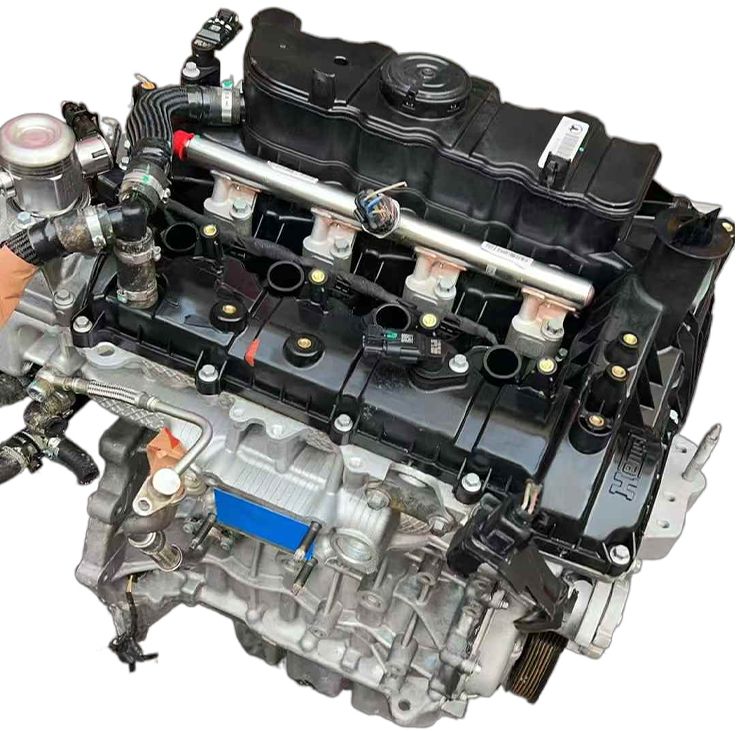
At its core, the GW4B13 utilizes an all-aluminum alloy construction for both the cylinder block and cylinder head, a design choice aimed at reducing overall engine weight and improving thermal management. Fuel delivery is handled by a sophisticated Gasoline Direct Injection (GDI) system, which precisely atomizes fuel directly into the combustion chambers, optimizing combustion efficiency and reducing emissions. Complementing the GDI system is Dual Variable Valve Timing (DVVT) on both intake and exhaust camshafts. This technology continuously adjusts valve overlap and lift, enhancing volumetric efficiency across the entire RPM range for improved torque output at low speeds and increased power at higher RPMs. Furthermore, the engine incorporates an integrated exhaust manifold, which helps reduce turbo lag and improves catalytic converter warm-up efficiency.
The Haval GW4B13 engine has been widely deployed across several prominent Haval vehicle models. It primarily serves as a mainstream powerplant for models such as the popular Haval H6 (third generation), the stylish Haval F7, and the compact Haval Jolion. Depending on the specific market and vehicle trim, this engine configuration has been a staple from its introduction around 2020 onwards, underpinning various front-wheel-drive and all-wheel-drive applications. Its versatility and performance characteristics have made it a cornerstone engine for Haval’s core product lineup, supporting both urban driving and highway cruising scenarios.
Technical Specifications
| Specification | Value |
|---|---|
| Displacement | 1499 cc |
| Max Power | 124 kW (166 hp) @ 5000-5600 RPM |
| Max Torque | 285 Nm @ 1400-3600 RPM |
| Fuel Type | Unleaded Gasoline (92 RON min, 95 RON recommended) |
| Fuel Consumption | 6.9-7.5 l/100 km (combined, varies by vehicle) |
| Engine Type | Inline-4, Turbocharged, GDI |
| Compression Ratio | 10.0:1 |
| Cylinder Bore | 75 mm |
| Piston Stroke | 84.7 mm |
| Valvetrain | DOHC, 16-valve, DVVT |
| Valves per Cylinder | 4 |
| Additional Info | Aluminum alloy block and cylinder head, integrated exhaust manifold, electronic wastegate |
Common Problems & Reliability
The Haval GW4B13, being a modern turbocharged Gasoline Direct Injection (GDI) engine, shares some common characteristics with similar designs across the industry. One frequently observed issue in GDI engines is the potential for carbon buildup on intake valves. Since fuel is injected directly into the combustion chamber and does not wash over the intake valves, oil vapor from the PCV system can deposit carbon over time, potentially leading to reduced airflow, decreased performance, and rough idling if not addressed. Another area requiring attention can be the turbocharger system longevity, specifically the electronic wastegate actuator or bearings, which can be susceptible to wear over extended mileage or if proper oil change intervals are neglected. Occasional reports of minor sensor malfunctions, such as oxygen sensors or MAP sensors, have also surfaced, leading to ‘check engine’ lights, though these are typically simple replacements. With diligent maintenance, including regular oil changes with appropriate synthetic oil, the GW4B13 engine can realistically be expected to achieve a service life exceeding 200,000 to 250,000 kilometers before requiring a major overhaul.
Maintenance Tips & Service Schedule
To ensure the longevity and optimal performance of the Haval GW4B13 engine, adherence to a strict maintenance schedule is paramount. Engine oil and filter changes are critical, recommended every 10,000 kilometers or 12 months, whichever comes first. Synthetic engine oil of viscosity grade 0W-20 or 5W-30 (meeting API SN Plus or SP specifications) should be used to protect the turbocharger and GDI system effectively. Spark plugs, typically iridium-tipped, should be inspected and replaced every 60,000 kilometers to maintain ignition efficiency. The engine employs a timing chain, which generally requires less frequent attention than a belt; however, it should be inspected for excessive slack or noise at 150,000 kilometers. Coolant flushes and replacements are recommended every 5 years or 100,000 kilometers using manufacturer-approved long-life coolant. Regular inspection of air filters, fuel filters (if applicable to the specific variant), and PCV valve is also advised to prevent issues related to carbon buildup and airflow restrictions.
Conclusion
The Haval GW4B13 engine represents a robust and technologically advanced powertrain for its class, offering a compelling blend of performance and efficiency for Haval vehicles. For a used vehicle buyer, it generally presents as a safe and reliable choice, provided the previous owner adhered to a consistent maintenance schedule. Its modern design, incorporating GDI and DVVT, delivers responsive power, making vehicles equipped with this engine pleasant to drive. While awareness of potential GDI-related carbon buildup and diligent turbocharger care is prudent, these are manageable aspects common to many contemporary turbocharged engines. With proper and timely maintenance, this engine can deliver many years of dependable service.