
Overview & Design Features
The Haval GW4N20 is a contemporary 2.0-liter turbocharged four-cylinder gasoline engine developed and manufactured by Great Wall Motor (GWM), parent company of the Haval brand. Introduced as a key component of GWM’s new-generation powertrain strategy, this engine is designed to deliver a balance of power, fuel efficiency, and reduced emissions for its compact to mid-size SUV and sedan lineup. Its architecture represents GWM’s significant investment in advanced internal combustion engine technology, aiming to compete with established global automotive manufacturers in performance and refinement.
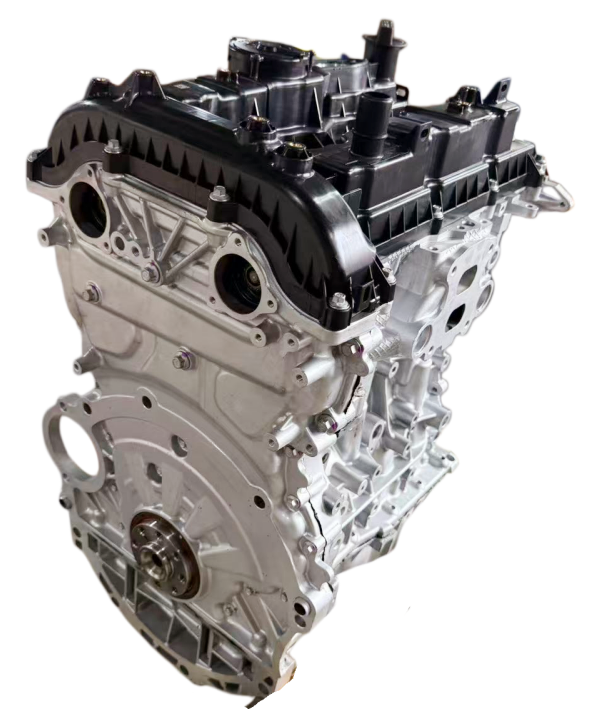
Engineered for efficiency and performance, the GW4N20 features an all-aluminum alloy construction for both its cylinder block and cylinder head, contributing to weight reduction and improved thermal management. It employs a high-pressure direct fuel injection (GDI) system, which precisely delivers fuel into the combustion chambers for optimal atomization and combustion efficiency. A single twin-scroll turbocharger enhances power output across a broad RPM range, while dual Variable Valve Timing (VVT) on both intake and exhaust camshafts optimizes valve overlap for improved torque delivery and fuel economy. Additional technologies include a low-friction design, an integrated exhaust manifold for quicker catalyst light-off, and an electronic throttle control system.
The Haval GW4N20 engine has been widely deployed across a range of GWM’s most popular models. Primary vehicle applications include the Haval H6 (3rd Generation), Haval Dargo (also known as Big Dog in some markets), Haval H5, and various Wey-branded luxury SUVs such as the Wey Latte. It also powers certain variants of the rugged Tank 300. Production years for its primary deployment typically span from late 2020 onwards, becoming a staple powertrain for the brand’s contemporary offerings.
Technical Specifications
| Displacement (cc) | 1967 |
| Max Power (hp (kW) @ RPM) | 211 (155) @ 6000 |
| Max Torque (Nm (kg*m) @ RPM) | 320 (32.6) @ 1500-4000 |
| Fuel Type | Gasoline (Petrol) |
| Fuel Consumption (l/100 km) | 7.3 – 8.5 (Combined cycle, model dependent) |
| Engine Type | Inline 4, DOHC, 16V, Turbocharged, GDI |
| Compression Ratio | 11.0:1 |
| Cylinder Bore (mm) | 82 |
| Piston Stroke (mm) | 93.4 |
| Valvetrain | Dual Overhead Camshaft (DOHC) with Chain Drive and Dual VVT |
| Valves per Cylinder | 4 |
| Additional Info | Twin-scroll turbocharger, Direct Injection, Aluminum block & head |
Common Problems & Reliability
As a modern turbocharged Gasoline Direct Injection (GDI) engine, the GW4N20 shares some potential vulnerabilities typical of this design. One common concern for GDI engines is the propensity for carbon buildup on intake valves. Since fuel is injected directly into the cylinder, it does not wash over the intake valves, allowing oil vapor and PCV system byproducts to accumulate. This can lead to reduced airflow, misfires, and decreased performance over time. Another area of focus for turbocharged engines can be the longevity of the turbocharger unit itself, particularly in vehicles that are not properly maintained or driven aggressively without adequate cool-down periods. Issues such as wastegate actuator problems or bearing wear can arise. Furthermore, some users might experience elevated oil consumption if the PCV system components or piston rings wear prematurely, though this is not a widespread design flaw but rather a potential for component degradation.
With proper care and adherence to the manufacturer’s recommended service schedule, the Haval GW4N20 engine is realistically expected to provide a service life exceeding 250,000 to 300,000 kilometers before requiring a major overhaul. This assumes the use of high-quality fuels, lubricants, and timely addressing of any minor issues that may arise.
Maintenance Tips & Service Schedule
Optimal performance and longevity of the GW4N20 engine depend heavily on diligent maintenance practices. Engine oil and filter changes are paramount; use a fully synthetic oil with a viscosity rating recommended by Haval (e.g., 5W-30 or 0W-20, API SN or higher specification) every 7,500 to 10,000 kilometers or every 6-12 months, whichever comes first. Regular inspections for leaks and abnormal noises are also crucial. Spark plugs, typically iridium or platinum, should be replaced every 40,000 to 60,000 kilometers to ensure optimal combustion and prevent misfires. The air filter requires replacement every 15,000 to 30,000 kilometers, or more frequently in dusty environments, to maintain proper air intake and protect the turbocharger.
The engine utilizes a timing chain, which is generally designed for the life of the engine; however, periodic inspection for excessive slack or noise is advisable at higher mileages (e.g., every 150,000 km), with replacement only necessary if wear is detected. Coolant flushes and replacements should adhere to the manufacturer’s guidelines, typically every 5 years or 100,000 kilometers, using the specified long-life antifreeze. To mitigate carbon buildup, periodic fuel system cleaning treatments or manual intake valve cleaning at longer intervals (e.g., 80,000-100,000 km) can be beneficial. Additionally, allowing the engine and turbocharger to cool down for a minute or two after strenuous driving can significantly extend turbocharger life.
Conclusion
The Haval GW4N20 engine represents a robust and technologically advanced offering from Great Wall Motor, providing competitive power and efficiency in its segment. For a used vehicle buyer, it can be considered a safe and reliable choice, particularly if the vehicle has a documented history of consistent and proper maintenance. Its modern design and widespread adoption indicate a mature powertrain. Prospective buyers should prioritize vehicles with comprehensive service records and consider a pre-purchase inspection by a qualified mechanic to assess the health of the turbocharger and check for any signs of carbon buildup or oil consumption, ensuring confidence in a long-term ownership experience.