
Overview & Design Features
The Haval GW4B15A engine is a compact, turbocharged 1.5-liter inline-four gasoline unit developed and manufactured by Great Wall Motors (GWM), primarily for its Haval and Wey brands. Introduced as a successor to earlier 1.5T engines, the GW4B15A represents a significant step in GWM’s powertrain technology, offering enhanced performance, improved fuel efficiency, and reduced emissions. Its historical significance lies in its widespread adoption across a diverse range of Haval’s popular SUV models, making it a cornerstone of the brand’s global offerings and a key competitor in the small-displacement turbocharged engine market.
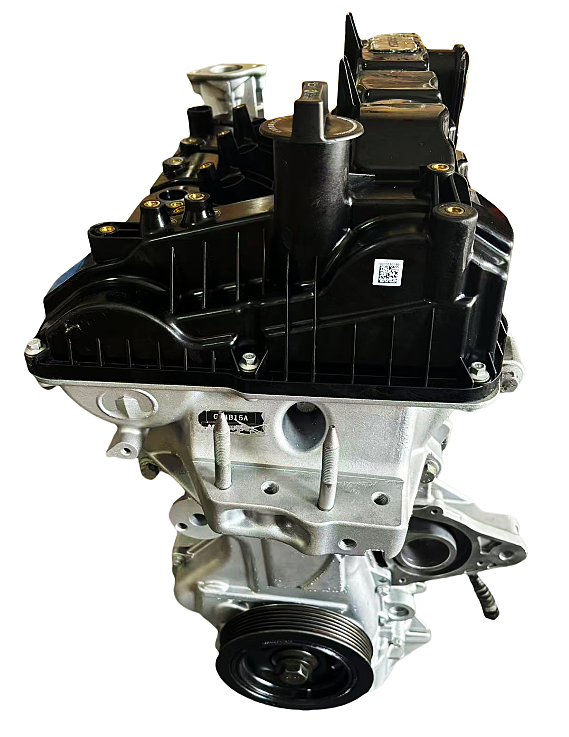
At its core, the GW4B15A features an all-aluminum construction for both the cylinder block and cylinder head, contributing to a lighter overall engine weight and improved thermal management. Fuel delivery is handled by a sophisticated direct fuel injection (GDI) system, which precisely atomizes fuel directly into the combustion chambers for optimal efficiency and power output. Complementing this is a twin-scroll turbocharger, engineered to minimize turbo lag and deliver a broad, flat torque curve across various RPMs. The valvetrain incorporates Dual Variable Valve Timing (DVVT) on both intake and exhaust camshafts, allowing for dynamic adjustment of valve overlap to optimize combustion efficiency under varying load conditions and engine speeds.
The Haval GW4B15A engine has been widely deployed across several prominent Haval models. Key applications include the Haval H6 (third generation and later iterations), where it often serves as a primary engine option. It is also found in the Haval Jolion and Haval Chulian (also known as the First Love or B01), typically paired with either a 7-speed wet dual-clutch transmission (DCT) or a manual gearbox depending on market and trim levels. Its versatility and performance characteristics have made it suitable for various global markets since its introduction around 2020-2021.
Technical Specifications
| Specification | Value |
|---|---|
| Displacement | 1499 cc |
| Max Power | 169 hp (124 kW) @ 5000-5600 RPM |
| Max Torque | 285 Nm @ 1400-3600 RPM |
| Fuel Type | Gasoline (Unleaded, RON 92/95 recommended) |
| Fuel Consumption (Combined) | 6.6 – 7.5 l/100 km (vehicle dependent) |
| Engine Type | Inline-4, DOHC, Turbocharged, GDI |
| Compression Ratio | 9.3:1 |
| Cylinder Bore | 75.0 mm |
| Piston Stroke | 84.7 mm |
| Valvetrain | DOHC, 16-valve, Chain Drive |
| Valves per Cylinder | 4 |
| Additional Info | Direct Fuel Injection (GDI), Twin-scroll Turbocharger, Dual Variable Valve Timing (DVVT) |
Common Problems & Reliability
The Haval GW4B15A, like many modern small-displacement turbocharged gasoline direct injection (GDI) engines, exhibits certain characteristics that can lead to specific issues if not properly maintained. One primary concern for GDI engines is carbon buildup on the intake valves. Without the washing effect of fuel passing over the intake valves, oil vapor and exhaust gas recirculation (EGR) deposits can accumulate, leading to reduced airflow, decreased performance, and potential misfires over time. Regular professional intake system cleaning is often recommended at higher mileages.
Another area requiring attention is the turbocharger system’s longevity. While generally robust, the turbocharger operates under extreme heat and pressure. Inadequate oil changes, using incorrect oil viscosity, or frequent aggressive driving without proper cool-down can accelerate wear on the turbo bearings and seals, potentially leading to oil consumption or reduced boost pressure. Lastly, some owners have reported instances of minor electrical or sensor-related issues which, while not catastrophic, can cause diagnostic trouble codes and affect engine smoothness or fuel economy. The engine generally achieves a service life of approximately 200,000 to 250,000 kilometers (125,000 to 155,000 miles) before requiring significant overhaul, provided strict adherence to maintenance schedules and proper operating conditions.
Maintenance Tips & Service Schedule
- Engine Oil & Filter: Crucial for turbocharged engines. Use a fully synthetic oil meeting manufacturer specifications (typically 5W-30 or 5W-40 API SN/SP or ACEA C3) every 7,500 to 10,000 kilometers or every 6-12 months, whichever comes first. Frequent oil changes are the best defense against turbocharger wear and carbon buildup.
- Spark Plugs: Inspect and replace iridium-tipped spark plugs every 30,000 to 40,000 kilometers to maintain optimal combustion efficiency and prevent misfires, especially important for GDI systems.
- Air Filter: Replace the engine air filter every 15,000 to 20,000 kilometers or more frequently in dusty environments to ensure proper air intake and protect the turbocharger.
- Fuel Filter: The high-pressure GDI system often integrates the fuel filter as part of the fuel pump assembly; consult the manufacturer’s recommendations for inspection or replacement intervals.
- Coolant System: Perform a coolant flush and refill every 3 to 5 years or 60,000 to 80,000 kilometers using the specified long-life coolant to prevent corrosion and maintain optimal engine temperature.
- Timing Chain: The GW4B15A utilizes a timing chain, which is generally designed for the life of the engine. However, it should be inspected for excessive stretch or noise after 150,000 kilometers.
- PCV System: Given the GDI nature, periodic inspection and cleaning of the Positive Crankcase Ventilation (PCV) valve and associated hoses can help mitigate carbon buildup.
Conclusion
The Haval GW4B15A engine represents a competent and modern powertrain for its class, offering a strong balance of performance and fuel efficiency in the vehicles it powers. For a used vehicle buyer, it can be considered a reliable choice, provided the vehicle has a verifiable and consistent service history. Diligent adherence to the specified maintenance schedule, particularly regarding oil changes with high-quality synthetic oil and spark plug replacements, is paramount to ensure its long-term reliability and mitigate common GDI-related issues like carbon buildup. Buyers should prioritize models where previous owners demonstrated meticulous care, especially concerning the turbocharger and overall fluid changes, to ensure a safe and dependable ownership experience.